


Mooring System Design for High-Wind and High-Current Environments
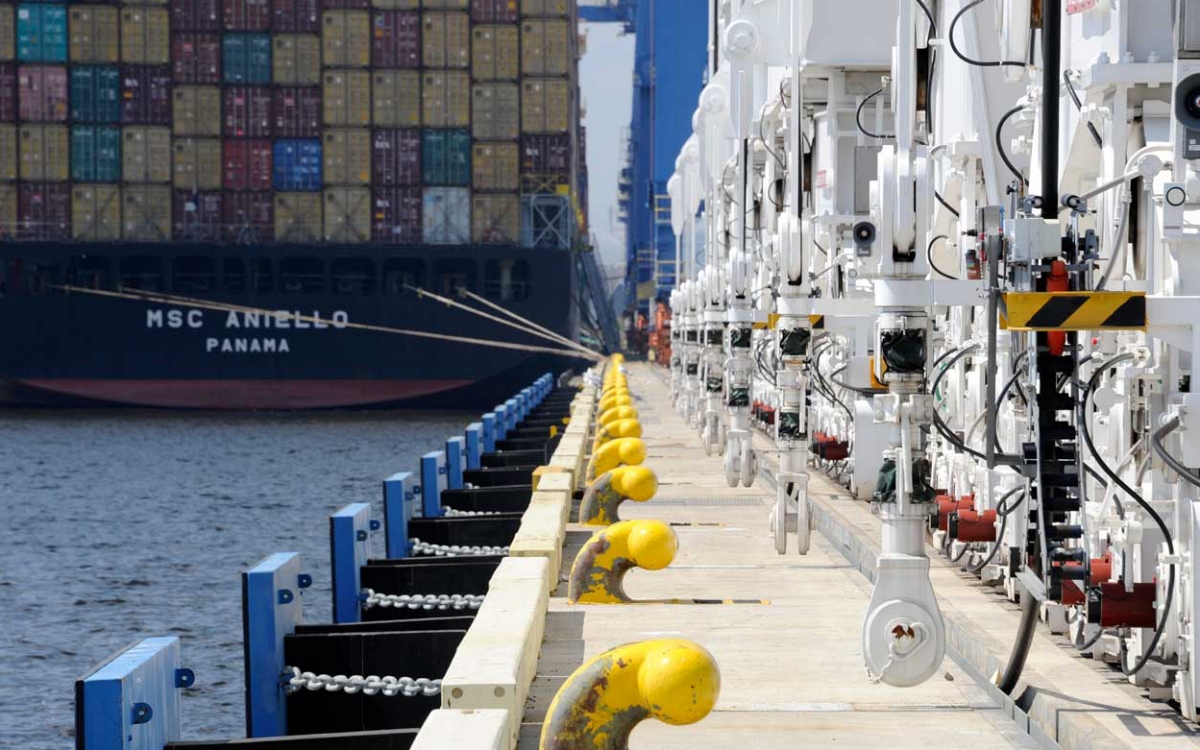
Ports and waterfront structures located in exposed coastal settings face a unique set of challenges when it comes to vessel mooring. As climate patterns shift and extreme weather events become more frequent, engineers and operators are paying closer attention to how mooring systems perform under sustained wind loads and strong tidal or river currents. While piles, decks, and fender systems are often discussed in resilience planning, mooring hardware and load transfer paths receive far less attention. Yet failures at this level can shut down operations, damage infrastructure, and create serious safety risks.
Modern marine mooring systems must be designed to accommodate not only vessel size and traffic frequency, but also the amplified forces that occur during storms, surge events, and seasonal current changes. Understanding how these forces act on mooring components is essential for building ports and harbors that remain operational during extreme conditions.
Environmental Forces Acting on Moored Vessels
Wind and current loads do not act independently on a moored vessel. In exposed environments, they combine to create complex loading conditions that are transferred directly into dockside structures. Wind applies lateral pressure to the vessel’s superstructure, while currents exert drag forces on the hull below the waterline. Both forces increase with vessel size, exposed surface area, and duration of the event.
Engineering guidance from organizations such as PIANC and the US Army Corps of Engineers shows that wind pressure increases exponentially with wind speed. A modest increase in sustained wind can lead to a significant rise in mooring line tension. Currents add another layer of force, especially in river ports, tidal inlets, and locations with constrained flow paths. When these forces act together, line loads can exceed the assumptions used in older port designs.
Load Amplification in Extreme Conditions
Combined Wind and Current Effects
In high-wind environments, mooring lines are rarely loaded evenly. Line angles shift as vessels yaw, surge, and sway under environmental forces. Currents can cause continuous loading rather than short-duration peaks, leading to fatigue in mooring components. During storm events, wave action further increases dynamic movement, producing cyclic loading that is difficult to predict without conservative design margins.
Studies of mooring incidents during hurricanes and typhoons consistently show that failures often occur not because a single component was undersized, but because combined loads exceeded system capacity. This is why conservative assumptions and redundancy are critical in exposed locations.
Vessel Size and Windage
Modern commercial vessels present significantly higher windage than ships from previous decades. Container stacks, accommodation blocks, and deck-mounted equipment increase exposed surface area. As a result, wind-generated forces transmitted through mooring lines are higher even when currents remain unchanged. Ports that serve larger vessels must account for this evolution when evaluating existing mooring infrastructure.
Design Considerations for Exposed Ports
Load Ratings and Safety Factors
Mooring hardware must be selected based on realistic environmental load combinations rather than nominal vessel weights alone. Design standards typically require safety factors that account for uncertainty in wind direction, current velocity, and line configuration. In high-risk environments, engineers often apply higher safety margins to accommodate unpredictable storm behavior.
Structural design guidance emphasizes that the weakest element in the load path governs system performance. Mooring points, anchor bolts, concrete embedment, and supporting piles must all be evaluated together rather than in isolation.
Placement and Orientation of Mooring Points
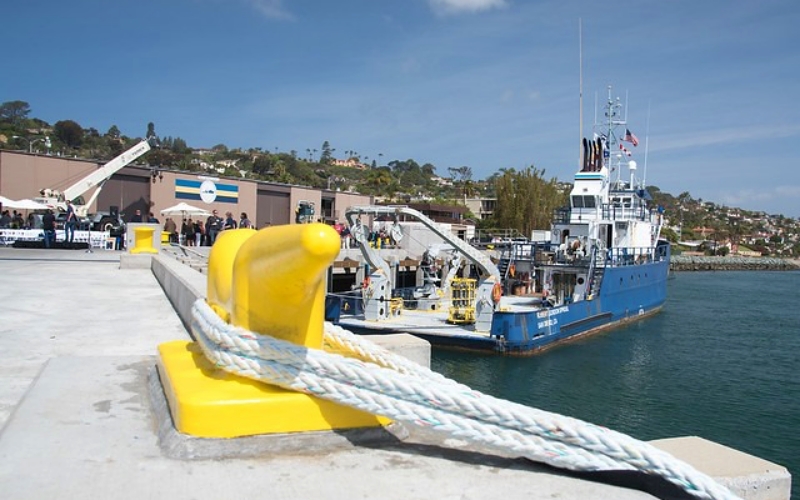
Proper spacing and alignment of mooring points play a critical role in managing loads. In exposed ports, mooring layouts are often designed to minimize extreme line angles and reduce the likelihood of side loading. Poorly aligned mooring points can introduce torsional forces that increase stress on both the hardware and the supporting structure.
Integration with fender systems is also essential. Fender reactions influence vessel position, which in turn affects mooring line geometry and load distribution. Coordinated design helps reduce peak forces during surge and sway events.
Material Selection and Durability
Corrosion and Environmental Exposure
High-wind and high-current environments are often associated with aggressive corrosion conditions. Saltwater exposure, splash zones, and cyclic wetting accelerate material degradation. Loss of cross-sectional area due to corrosion directly reduces load capacity, sometimes without visible warning signs.
Engineering best practices emphasize the use of corrosion-resistant materials, protective coatings, and proper drainage around embedded hardware. Long-term durability is especially important for mooring components, which are difficult to replace once installed.
Fatigue and Repeated Loading
Even when loads remain below ultimate capacity, repeated movement can lead to fatigue cracking in mooring components. This is particularly relevant in areas with strong tidal currents or frequent storm events. Fatigue considerations are well documented in offshore and marine structural literature and should be applied to shore-based mooring systems as well.
Consequences of Under-Designed Mooring Hardware
Failures in mooring systems often result in immediate operational disruption. Broken mooring points can force berth closures, emergency vessel relocation, or temporary shutdowns during critical weather windows. In severe cases, vessels may break free, causing damage to adjacent infrastructure or nearby ships.
Post-event investigations frequently identify inadequate load assumptions or outdated design criteria as contributing factors. Emergency repairs in marine environments are costly, time-sensitive, and difficult to execute under adverse conditions. Proactive investment in robust mooring system design is consistently shown to be more cost-effective than reactive repairs.
Planning for Extreme Weather Operations
Operational Limits and Monitoring
Engineering design alone cannot eliminate all risk. Many ports establish operational limits for wind speed and current velocity beyond which berthing or cargo operations are suspended. Clear communication between port authorities, pilots, and terminal operators is essential during extreme weather events.
Real-time monitoring of wind, current, and vessel movement allows operators to adjust line configurations and loading strategies as conditions evolve. These operational measures complement physical design and help extend the service life of mooring components.
Retrofitting Existing Infrastructure
Older ports often require upgrades to meet modern environmental demands. Retrofitting may involve strengthening mooring points, improving load distribution, or reinforcing supporting structures. Such upgrades should be guided by detailed structural assessments and current design standards rather than original construction documents.
Efforts aimed at coastal infrastructure resilience increasingly recognize mooring systems as a critical component of overall port performance during extreme weather. Addressing vulnerabilities at this level improves safety, reduces downtime, and supports long-term operational continuity.
Designing for Resilient Mooring Performance
Mooring system design in high-wind and high-current environments requires a holistic approach that considers environmental forces, vessel characteristics, structural capacity, and operational practices. As ports adapt to changing climate conditions and larger vessels, the importance of properly designed and maintained mooring hardware continues to grow.
By applying conservative load assumptions, selecting durable materials, and integrating mooring design with broader port infrastructure planning, engineers can reduce the risk of failure and ensure reliable performance when conditions are at their most demanding.
