



Managing Pile Driving in Challenging Marine Geotechnical Conditions
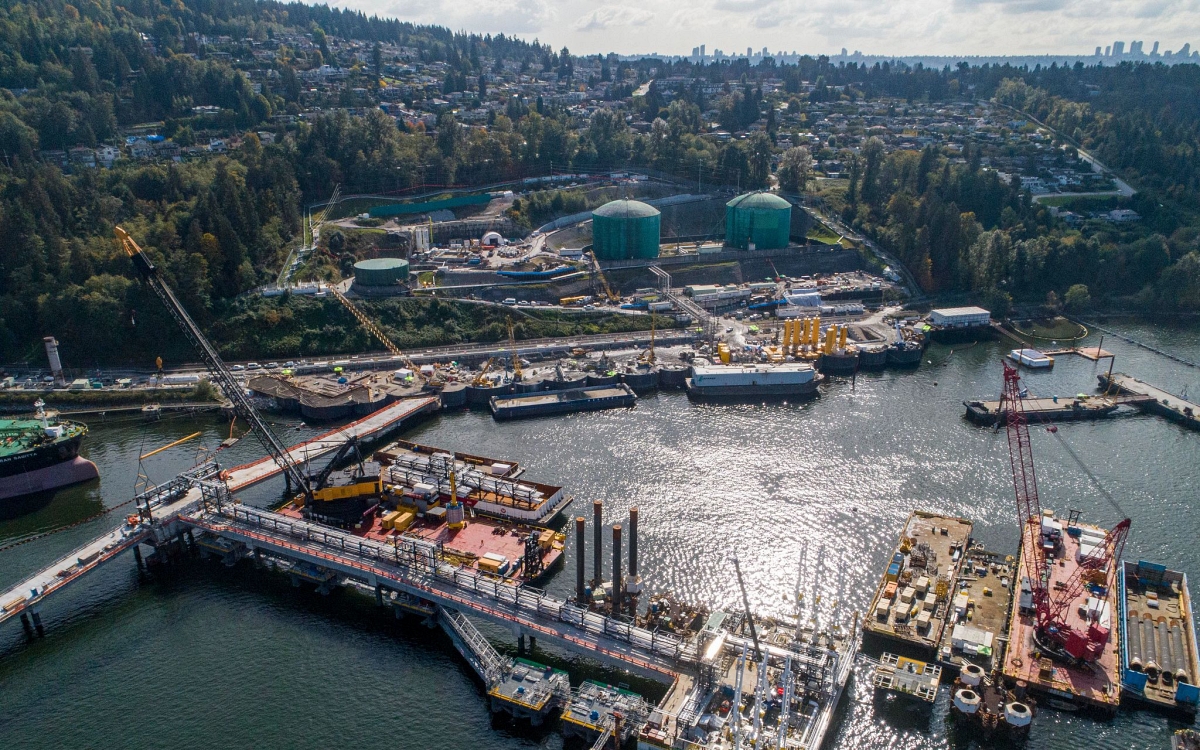
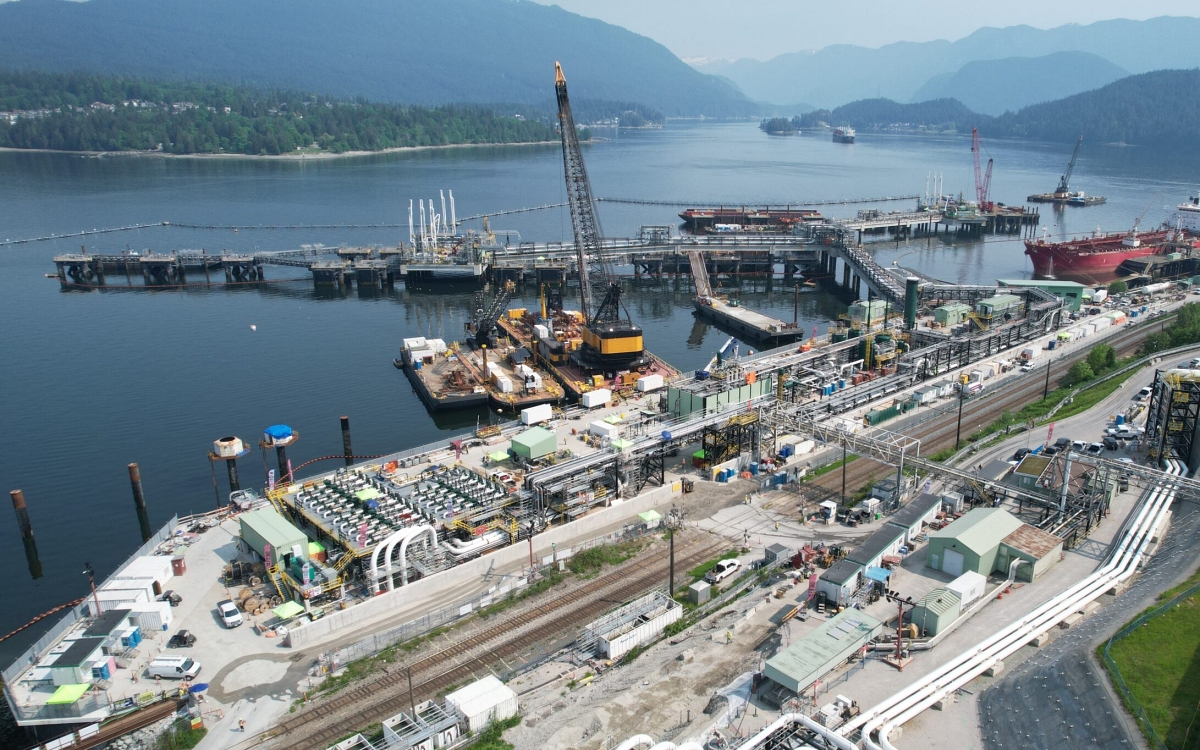
Marine construction projects depend on deep foundations that must perform reliably in some of the most unpredictable ground conditions encountered in civil engineering. Coastal and nearshore environments often combine soft sediments, layered soils, scour-prone seabeds, and fluctuating water levels, all of which complicate pile driving operations. Successfully managing these geotechnical challenges requires careful planning, adaptable installation methods, and close coordination between geotechnical data and field execution.
Understanding Marine Geotechnical Variability
Marine environments rarely offer uniform subsurface conditions. Unlike inland sites where soil profiles may be relatively consistent across a footprint, coastal and offshore locations often experience rapid changes in stratigraphy over short distances. These variations are driven by sediment transport, historical dredging, tidal action, and depositional processes that continually reshape the seabed.
Coastal Soil Formation Processes
Marine soils are typically formed by a combination of river-borne sediments, coastal erosion, and biological activity. Nearshore areas often contain loose sands, silts, and soft clays deposited in layers that can vary significantly in thickness and density. Estuarine zones may include organic-rich materials or compressible silts that behave differently under driving energy than granular soils.
These formation processes mean that pile driving crews frequently encounter alternating zones of low resistance and sudden increases in bearing capacity, even within a single pile location.
Implications for Pile Installation
Variable marine soils can lead to unpredictable pile behavior during driving. Piles may advance rapidly through loose layers before encountering dense strata that cause abrupt increases in resistance. In some cases, piles experience premature refusal or excessive driving stresses, while in others they may penetrate deeper than anticipated. Understanding these risks early is essential when selecting appropriate marine pile installation methods for waterfront and offshore structures.
Pile Refusal and Obstructions in Marine Settings
Pile refusal is one of the most common challenges in marine foundation work. Refusal occurs when a pile can no longer be advanced at the required rate despite increasing energy input, often due to dense soils, cemented layers, or subsurface obstructions.
Causes of Marine Pile Refusal
In coastal environments, refusal is frequently associated with dense sand lenses, glacial tills, or buried debris left behind by previous construction or dredging operations. Cobbles and boulders transported by historic glacial activity are particularly problematic in certain regions and may not be fully identified during preliminary investigations.
Shell layers and cemented sediments can also significantly increase resistance during driving, even when surrounding soils appear relatively soft.
Managing Refusal Without Overstressing Piles
When refusal occurs, continuing to increase driving energy can overstress piles and compromise structural integrity. Instead, contractors often adapt installation techniques by adjusting driving criteria, modifying pile lengths, or incorporating pre-drilling where appropriate. These decisions must balance installation efficiency with long-term performance while accounting for coastal foundation challenges that differ from inland conditions.
Driving Piles Through Layered and Mixed Strata
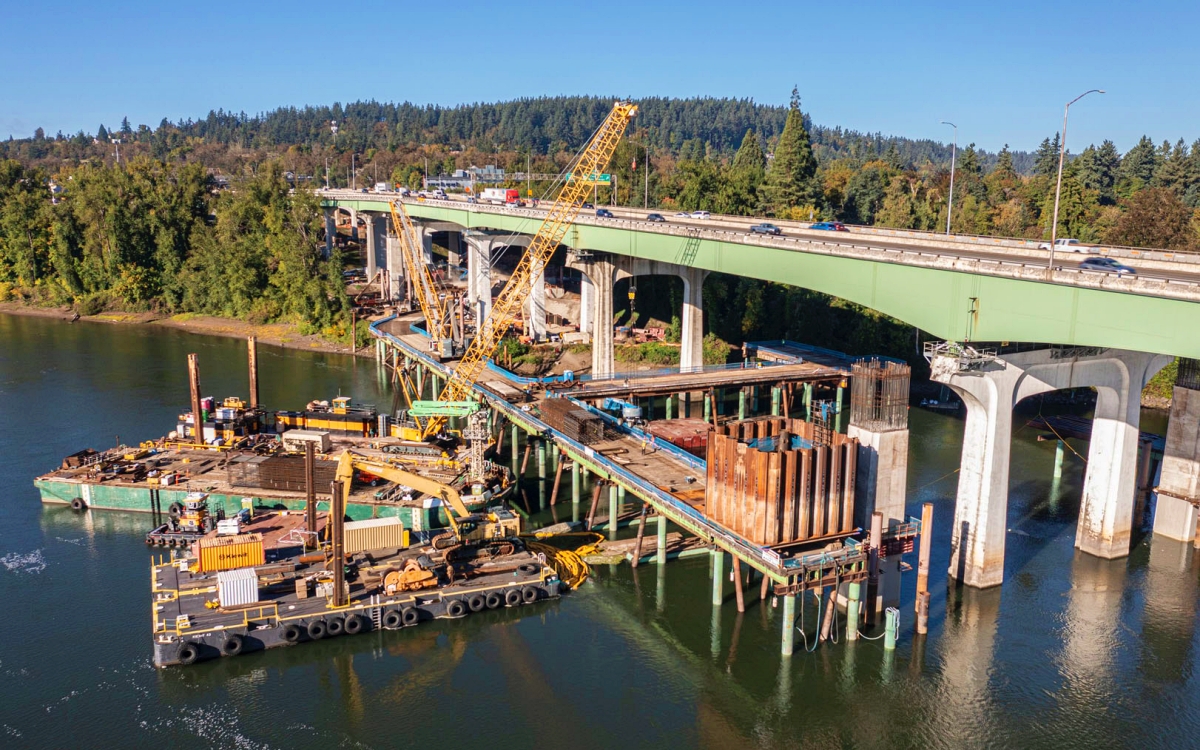
Layered soils are a defining characteristic of marine geotechnical environments. Alternating layers of sand, silt, and clay respond differently to pile driving forces, creating complex stress patterns within the pile and surrounding soil.
Changes in Soil Resistance During Driving
As piles pass through softer layers into denser strata, resistance can increase rapidly, leading to higher driving stresses. Conversely, piles driven from dense layers into softer zones may experience sudden drops in resistance, which can affect alignment and penetration control. These transitions require careful monitoring to ensure piles remain within allowable stress limits.
Installation Adjustments in Variable Strata
To address layered conditions, pile driving operations often rely on real-time observation of blow counts, penetration rates, and hammer performance. Adjustments to driving procedures may be required as conditions change, ensuring that piles achieve the intended capacity without damage. These adaptive strategies are particularly important for pile driving in soft soils overlain by dense layers common in nearshore marine projects.
Scour and Its Influence on Marine Pile Performance
Scour is a persistent concern for marine foundations, particularly around piles exposed to tidal currents, waves, and vessel-induced flow. Over time, scour can remove supporting material around piles, reducing lateral and axial capacity if not properly accounted for during design and installation.
Scour Mechanisms in Coastal Environments
In marine settings, scour develops through a combination of tidal flow acceleration, wave action, and propeller wash from passing vessels. The presence of piles themselves can alter local flow patterns, intensifying erosion around the foundation elements. Seasonal storms and extreme weather events often accelerate scour processes, creating long-term maintenance concerns.
Accounting for Scour During Installation
Pile driving plans must consider potential scour depths when establishing required embedment lengths. Additional penetration beyond initial capacity requirements is often necessary to ensure long-term stability. Understanding how scour interacts with marine geotechnical conditions helps engineers and contractors make informed decisions during installation, particularly in dynamic coastal zones.
Adapting Installation Methods to Marine Conditions
No single pile driving approach works for all marine environments. Successful projects depend on selecting and adapting installation methods based on site-specific geotechnical data and real-time field observations.
Pre-Drilling and Soil Modification
In areas with dense layers or obstructions, pre-drilling may be used to reduce driving resistance and minimize pile damage. Pre-drilled holes can help piles reach design depths while maintaining alignment, especially in mixed strata where refusal risks are high.
Monitoring and Verification During Driving
Continuous monitoring of pile behavior during installation is critical in challenging marine conditions. Observing driving resistance, penetration rates, and pile response allows crews to identify changes in subsurface conditions and respond accordingly. These practices are a key component of managing uncertainty in marine pile installation methods and maintaining quality control.
Coordinating Geotechnical Data With Field Execution
Marine geotechnical investigations provide essential information, but field conditions often differ from predictions. Effective pile driving management requires close coordination between engineers, inspectors, and installation crews to interpret data and adapt procedures as conditions evolve.
Limitations of Marine Site Investigations
Offshore borings and cone penetration tests provide valuable insights but are typically spaced farther apart than inland investigations due to cost and access limitations. This spacing increases the likelihood of encountering unexpected conditions during pile driving, reinforcing the need for flexible installation strategies.
Field-Based Decision Making
When discrepancies arise between anticipated and observed conditions, field teams must make informed adjustments without compromising safety or performance. These decisions rely on experience, observation, and an understanding of how piles interact with complex marine soils.
Planning for Long-Term Foundation Performance
Managing pile driving in challenging marine geotechnical conditions extends beyond installation. Long-term performance depends on how well foundations account for ongoing environmental and soil-related processes.
Durability Considerations
Marine piles are exposed to saltwater, cyclic loading, and changing seabed conditions throughout their service life. Ensuring adequate embedment, accounting for scour, and verifying installation quality are essential steps in protecting foundation performance over time.
Lessons From Marine Construction Projects
Experience across ports, terminals, and coastal infrastructure projects consistently shows that proactive geotechnical planning and adaptable pile driving practices reduce risk. By understanding marine soil behavior and responding effectively during installation, project teams can deliver foundations that perform reliably in demanding environments. These lessons continue to inform best practices across coastal and offshore construction, reinforcing the importance of addressing marine geotechnical challenges from the earliest planning stages through final installation.
