

Key Vessel Types for Marine Construction: Tugs, Barges, Crew Boats, and More
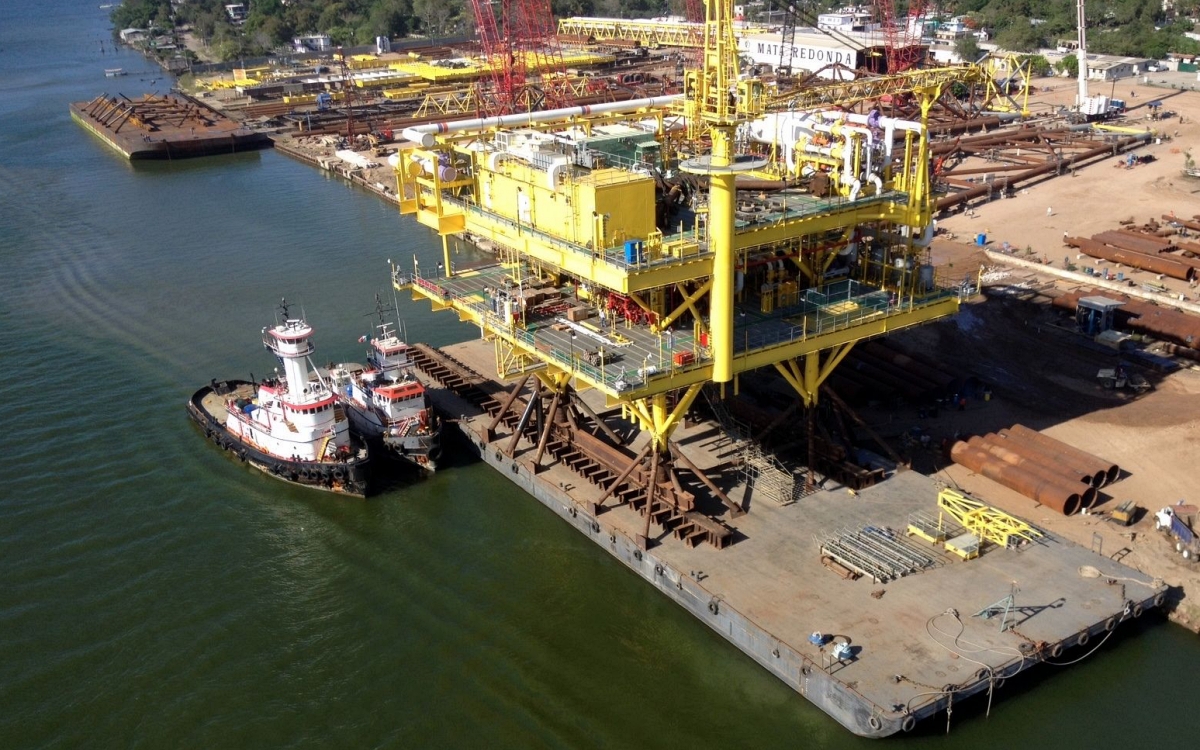
Marine construction projects rely on specialized vessels to support pile driving, material transport, offshore access, and daily crew movement. Unlike conventional land construction, marine work requires floating platforms that can operate safely in tides, currents, and variable weather conditions. Each vessel type plays a distinct operational role, and selecting the right mix directly affects productivity, safety, and cost control on the water.
Vessel Selection Shapes Marine Operations
Marine construction vessels are selected based on project location, water depth, payload requirements, and task sequencing. Contractors typically rely on multiple vessel types working together, rather than a single all-purpose platform. Understanding how these vessels function and interact is essential for efficient marine construction planning and execution.
Early project phases often focus on access and positioning, while later stages emphasize lifting capacity, stability, and logistics support. Across all phases, vessel capability must align with environmental conditions and regulatory requirements.
Tugboats as the Backbone of Marine Mobility
Tugs for Positioning and Towing
Tugboats serve as the primary propulsion and maneuvering units for marine construction projects. They are used to tow barges, reposition floating platforms, and maintain vessel alignment during critical operations. Tugs are especially important in riverine and coastal environments where currents and winds can shift floating equipment unexpectedly.
Most construction tugs are designed for high bollard pull rather than speed. This allows them to control heavy loads and provide steady directional force when positioning barges for pile installation or material unloading.
Push Tugs and Assist Tugs
Push tugs are commonly used in inland waterways where barges are configured in flotillas. These vessels provide precise control when pushing material barges, crane barges, or deck barges into tight work zones. Assist tugs, by contrast, are frequently deployed offshore to stabilize platforms during lifts or support larger towing operations.
Reliable tug support is often linked to the availability of properly sized marine workboats that can operate continuously in demanding construction environments. Many contractors rely on established fleets of marine workboats to ensure consistent towing and positioning performance across multiple project phases. This is where access to proven marine construction vessels becomes operationally critical.
Barges as Floating Work Platforms
Deck Barges for Construction Support
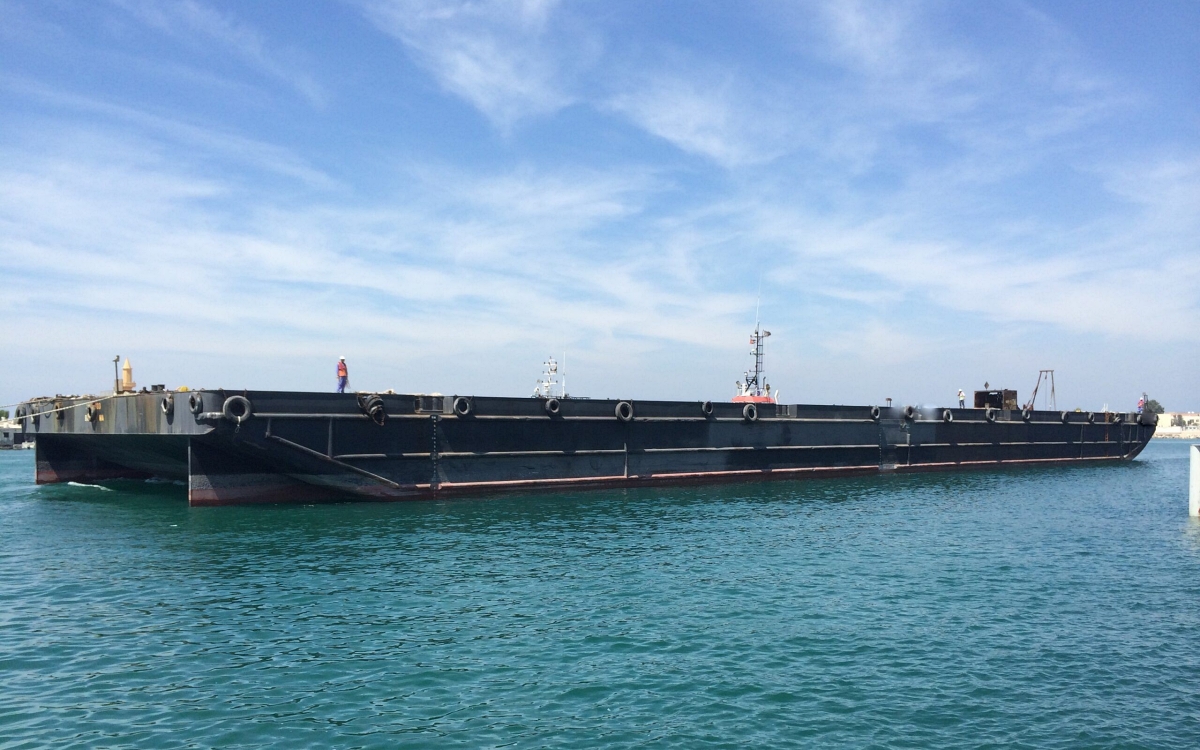
Deck barges provide the flat, load-bearing surfaces needed for marine construction equipment. They are commonly used to support cranes, pile driving rigs, drilling equipment, and material staging. The size and deck strength of a barge must match the equipment loads and lifting operations planned for the project.
Stability is a key consideration when selecting deck barges. Wider barges offer improved transverse stability, which is essential during pile handling and crane operations. Ballasting systems are often used to fine-tune trim and list during heavy lifts.
Material Barges and Spud Barges
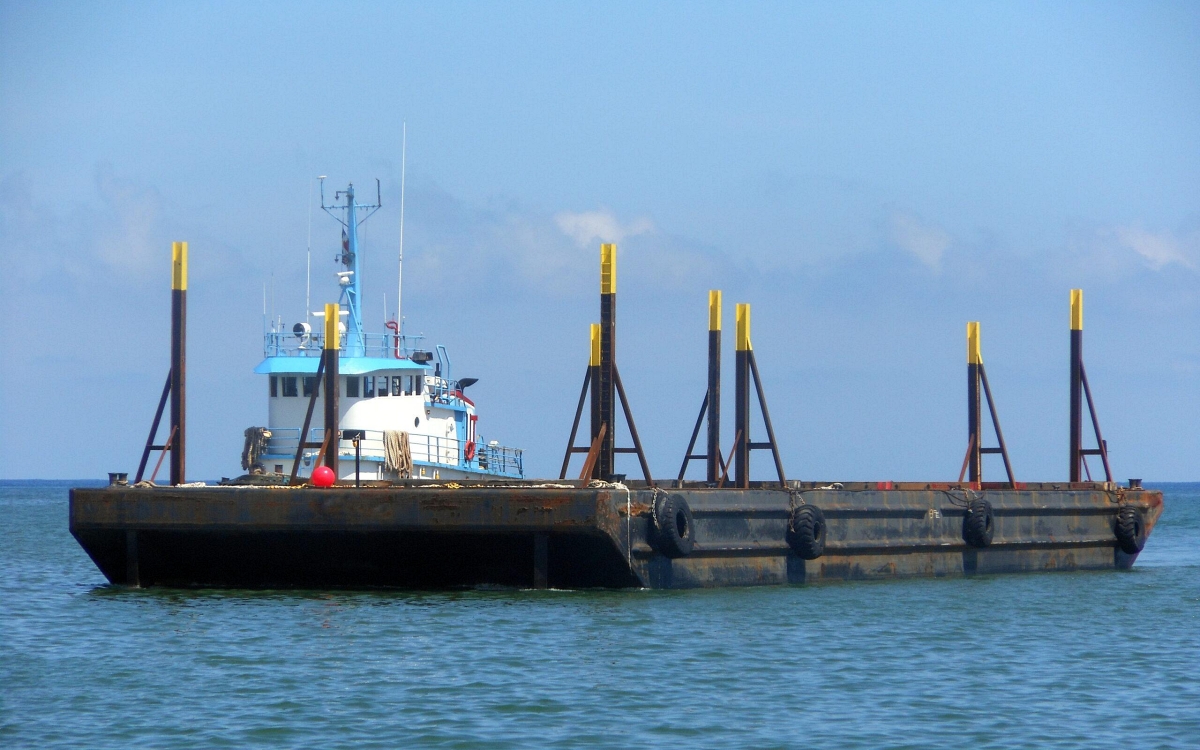
Material barges are designed to transport aggregates, structural steel, precast elements, and marine piles. They are optimized for payload capacity rather than deck equipment. Spud barges, which use vertical steel piles called spuds to anchor the vessel to the seabed, provide a semi-fixed platform for repetitive construction tasks.
Spud barges are frequently used for nearshore piling, dredging support, and shoreline stabilization projects. Their ability to maintain position without continuous tug assistance improves efficiency and reduces fuel consumption.
Crew Boats and Personnel Transfer Vessels
Transporting Workers Safely
Crew boats play a vital role in moving personnel between shore facilities and offshore or nearshore work sites. These vessels are designed for speed, maneuverability, and passenger safety, often featuring enclosed cabins, shock-mitigating seating, and redundant propulsion systems.
In marine construction, timely crew transfer is critical to maintaining project schedules. Crew boats reduce downtime by allowing shift changes without relocating construction platforms.
Shallow Draft Crew Boats
Shallow draft crew boats are particularly valuable in river, marsh, and nearshore environments where water depths fluctuate. These vessels can access remote work areas that larger boats cannot reach, supporting projects such as bridge foundations, dock construction, and shoreline reinforcement.
Their lightweight construction and high power-to-weight ratios make them suitable for navigating narrow channels and working close to active construction zones.
Crane Barges and Heavy Lift Vessels
Floating Crane Platforms
Crane barges serve as the primary lifting platforms for marine construction. They support lattice boom cranes or pedestal cranes capable of handling piles, precast components, and heavy equipment. The barge size and crane capacity must be carefully matched to the lifting plan to maintain stability throughout operations.
Crane barges are commonly used for pile installation, girder placement, and demolition activities. Their mobility allows contractors to service multiple work locations without dismantling equipment.
Offshore Heavy Lift Vessels
For large-scale marine infrastructure projects, offshore heavy lift vessels may be required. These specialized vessels are equipped with high-capacity cranes and advanced positioning systems. While less common in inland projects, they are essential for deepwater port construction, offshore foundations, and large bridge elements.
Their deployment is typically limited to projects with significant lifting demands and complex logistical requirements.
Utility and Support Vessels
Survey and Inspection Boats
Survey vessels support hydrographic surveys, bathymetric mapping, and post-installation inspections. Accurate seabed data is essential for pile alignment, dredging limits, and foundation verification. These vessels are often equipped with sonar, GPS positioning, and data acquisition systems.
Inspection boats are also used for routine structural assessments and underwater inspections in conjunction with dive teams or remotely operated vehicles.
Fuel, Supply, and Maintenance Boats
Support vessels handle fuel delivery, tool transport, and routine maintenance tasks. Keeping construction platforms supplied without interruption reduces downtime and improves safety by limiting unnecessary vessel movements.
These vessels are often overlooked in planning stages, yet they play a crucial role in sustaining daily operations on long-duration marine projects.
Coordinating Multiple Vessel Types on One Project
Integrated Marine Logistics
Successful marine construction relies on coordinated vessel scheduling and clear communication between operators. Tug movements must align with crane operations, crew transfers, and material deliveries. Poor coordination can lead to delays, unsafe conditions, or inefficient fuel use.
Project managers often develop vessel utilization plans that account for tidal windows, weather forecasts, and regulatory constraints. These plans help optimize the use of each vessel type while maintaining safety margins.
Matching Vessels to Site Conditions
No single vessel configuration fits every marine construction project. River currents, wave exposure, water depth, and access constraints all influence vessel selection. Contractors benefit from working with experienced marine equipment providers who understand how vessel characteristics affect jobsite performance.
Access to versatile fleets of workboats and barges allows contractors to adapt quickly as site conditions change or project scopes evolve.
Why Vessel Knowledge Matters in Marine Construction
Understanding the roles of tugs, barges, crew boats, and support vessels helps contractors plan safer and more efficient marine construction operations. Each vessel type contributes specific capabilities that support piling, lifting, transport, and access tasks. When these vessels are properly selected and coordinated, marine projects can proceed with fewer disruptions and lower operational risk.
As marine infrastructure demands continue to grow, vessel selection and logistics planning remain critical factors in successful project delivery.
