
Description
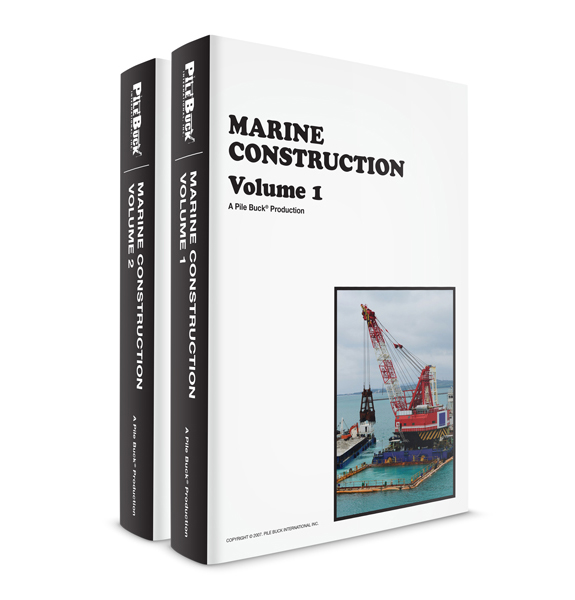
Marine Construction Books Volume 1 (CD-ROM)
- Shore Protection Manual Vol 1 (633 pages); complete coverage of coastal engineering, wave motion, wave and water levels, littoral processes, planning analysis.
- Shore Protection Manual Vol 2 (633 pages); complete coverage of structural features, structural design: physical factors, engineering analysis: case studies.
- Environmental Engineering for Coastal Shore Protection (189 pages); protection projects, environmental resources, beaches and dunes, human-made structures, environmental monitoring, models.
- Design of Riprap Revetment (172 pages); coverage of revetment types, design guidelines for rock riprap, guidelines for other revetments, design examples.
- Riprap Protection on Navigable Waterways (58 pages); model investigation into the effects of propeller wash and riprap stability.
- Stability of Rock Riprap for Protection at Toe Abutments Located at the Floodplain (122 pages); research into rock riprap stability, scour concerns and gravel, example problems.
- Stability of Riprap Used to Protect Bridge Piers (126 pages); investigation of scour at bridge openings including piers and riprap stability.
- Study of Public Use of Jetties, Groins and Breakwaters (56 pages); types of coastal and navigation structures, legal and public use of US Army C.O.E. jetties, groins and breakwaters.
- Construction Materials for Coastal Structures (427 pages); materials for coastal structures, stone, soils, cement, wood, steel, plastics, recycled materials and corrosion.
- Hydraulic Design of Small Boat Harbors (131 pages); design factors, studies of water levels, waves, currents, shoreline changes, etc.
- Low Cost Shore Protection (111 pages); available options (such as: bulkheads, groins, perched beaches, etc.), selection and permit requirements.
- Tidal Hydraulics (153 pages); estuaries, tides and other long waves, hydrodynamics, sedimentation, design considerations and case histories.
- Coastal Project Monitoring (121 pages); coastal monitoring, data handling, waves, water, salinity, and sediment, topographic and structural surveys, ice conditions.
- Environmental Engineering for Small Boat Basins (40 pages); permit processing, water body designations (salt, fresh, great lakes), basin design, environmental effects of pollution, etc.
- Coastal Groins and Near Shore Breakwaters (91 pages); beach stabilization, design of groins and near shore breakwaters. Construction and post construction activities, examples.
- Coastal Littoral Transport (143 pages); waves, littoral processes, near shore currents, beach topography and nourishment, sediment transport processes, examples.
- Design of Coastal Revetments, Seawalls and Bulkheads (109 pages); functional design methods covering: revetments, seawalls, bulkheads and environmental impacts with sample problems.
- General Criteria for Waterfront Construction (101 pages); piling types, deck and substructure, hardware and fittings, strength evaluation of structures, deterioration, case histories.
- Construction with Large Stone (61 pages); engineered stone structures, material problems, quarry evaluation, stone testing, measurement for payment.
- Coastal Inlet Hydraulics and Sedimentation (135 pages); inlet geology, hydrodynamic analysis of tidal inlets, sediment and shoaling rates, design analysis.
- Coastal Construction Manual (278 pages); coastal environment, site and structure design recommendations, construction materials, design procedures and examples.
- Harbors (118 pages); basic planning and design parameters, layout of facilities, turning and anchorage basins, aids to navigation.
- Design of Breakwaters and Jetties (185 pages); design of rubble-mound structures, jetties, vertical walls, floating structures, breakwaters, environmental impacts, with models.
Marine Construction Books Volume 2 (CD-ROM)
- Ice Engineering (129 pages); ice formation, characteristics, growth, jams, breaking, adhesion, control forces, computations and design.
- Handbook for Marine Geotechnical Engineering (254 pages); site surveys, soil properties, shallow and pile foundations, anchors, scour, slopes, stability, examples.
- Coastal Geology (298 pages); coastal terminology and geologic environments, coastal morphodynamics and geological investigations.
- Seismic Design of Waterfront Retaining Structures (323 pages); seismic design considerations for waterfront sites, retaining walls, earth pressures, backfills and design examples.
- Dredging and Dredged Material Disposal (93 pages); design considerations, equipment and techniques, disposal alternatives.
- Coastal Sedimentation and Dredging (66 pages); coastal sedimentation and erosion, harbor entrances, shore protection, beach preservation, dredging.
- Beneficial Uses of Dredged Material (283 pages); dredged material as a resource, wetland, upland, island and aquatic habitats, beaches and beach nourishment.
- Water Levels and Wave Heights for Coastal Engineering Design (269 pages); tides and tidal datums, storm surges, shoreline interaction, wave and water levels, analysis for design.
- Storm Surge Analysis (224 pages); storm surges, historical data, boundary conditions, physical models, surge simulation and related effects.
- Sand Bypassing System Solution (207 pages); sand bypassing concepts, coastal processes and site investigations, bypassing systems and design considerations.
- Design of Beach Fills (111 pages); site characteristics, fill stabilization, design, plans and specifications, performance monitoring and maintenance.
- Coastal Protection (352 pages); wave parameters, rubble-mound structures, wall design, floating breakwaters, wave forces, case histories.
- Hydrographic Surveying (333 pages); survey accuracy, visual and manual techniques, EPS’s, tides, water levels, depth measurement, special surveys.
- Dry Docking Facilities Characteristics (152 pages); basic dry docking facilities characteristics, graving dry docks, marine railways, marine lifts, etc.
- Graving Dry Docks (112 pages); site considerations, shipyard layout, types of dry docks and structural design, flooding, dewatering and support facilities.
- Weight Handling Equipment (227 pages); types of equipment, traveling and non-traveling, selection, operating features, recommended capacities, design criteria.
- Yard Craft (68 pages); yard craft design, maximum towing efficiency, hydrostatics and stability, components, etc.
- Trackage (77 pages); railroad trackage, roadways, ballast and sub-ballast, ties, trackage components, yards, turnouts and crossovers.
- Dockside Utilities for Ship Service (144 pages); general utility requirements, berthing, supply and fueling piers, miscellaneous provisions.
- Marine Railways (58 pages); principles and types of marine railways, site selection, design loads, track or groundways, cradles, etc.
- Seawalls, Bulkheads and Quaywalls (86 pages); protective waterfront structures, such as: seawalls, bulkheads, quaywalls, selection and basic design criteria.
- Piers and Wharves (213 pages); facility planning, load requirements, structural design, fender systems, separators and access facilities.
- Ferry Terminals and Small Craft Berthing Facilities (99 pages); planning and layout criteria, environmental factors, design criteria for berthing systems, basins, entrance channels, etc.
Marine Construction Books Volumes 1 and 2 (CD-ROM)
- Receive both Marine Construction Volume 1 (4,193 pages with 23 different titles) and Marine Construction Volume 2 (4,178 pages with 23 different titles) on a single CD-ROM.
- Call our office at (866) 573-0708 if you would like both.