

Hoist Maintenance Tips for Harsh Marine Environments
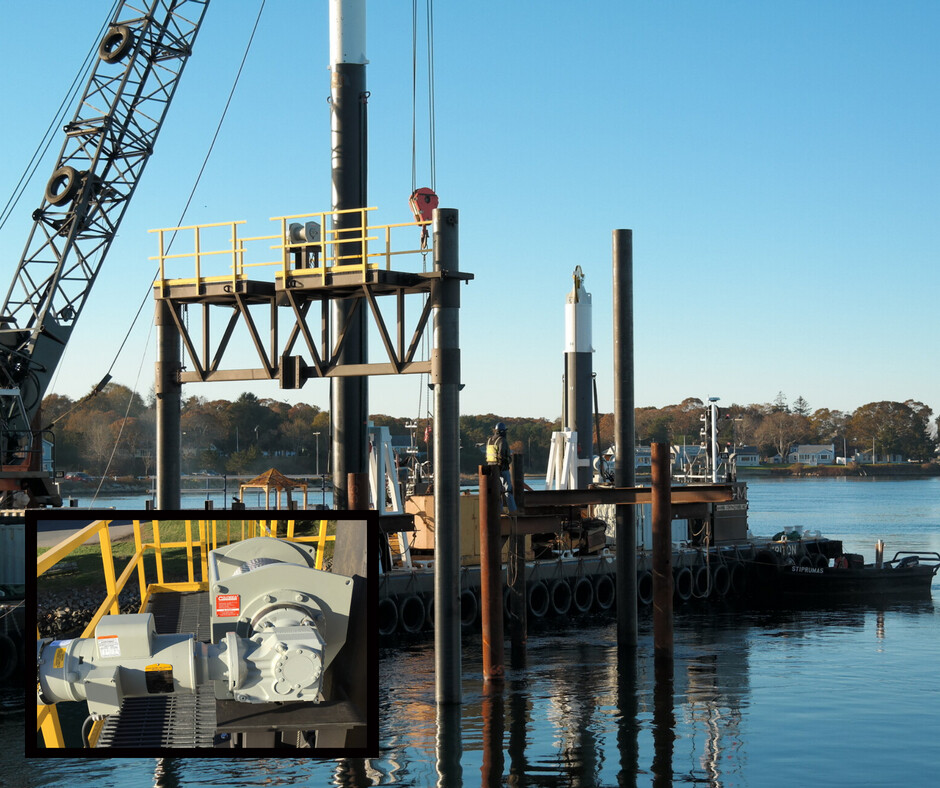
Harsh marine environments are unforgiving to lifting equipment, especially hoists operating on docks, barges, offshore platforms, and marine construction sites. Salt spray, high humidity, wind driven sand, and constant exposure to moisture accelerate corrosion, degrade electrical systems, and shorten service life if proper maintenance protocols are not followed. For contractors relying on corrosion resistant marine hoists to support critical lifting operations, disciplined inspection and preventive maintenance programs are essential to ensure safety, uptime, and compliance.
Understanding Marine Environmental Stressors
Saltwater Corrosion Mechanisms
Saltwater exposure is one of the most aggressive conditions for steel components. Chloride ions in seawater break down protective oxide layers on carbon steel and even certain stainless steels, leading to pitting corrosion and crevice corrosion. These localized attacks can compromise wire rope strands, fasteners, sheaves, drums, and structural frames if not addressed early.
Marine hoists positioned near splash zones or installed on vessels face continuous cycles of wetting and drying. This cycle accelerates corrosion because salt deposits remain on surfaces after evaporation, concentrating chlorides and promoting electrochemical reactions. Without regular freshwater rinsing and protective coatings, corrosion can progress rapidly beneath paint films and inside mechanical assemblies.
Humidity and Condensation Effects
High relative humidity common in coastal regions can lead to condensation inside control panels and motor housings. Moisture accumulation contributes to insulation breakdown, short circuits, and corrosion of terminals and connectors. Over time, electrical faults may develop that compromise hoist reliability and operator safety.
To reduce these risks, marine rated enclosures with appropriate ingress protection ratings are often specified for hoist control systems. However, even sealed systems require inspection, particularly after severe weather events or extended shutdown periods.
Inspection Protocols for Marine Hoists
Wire Rope Examination Standards
Wire rope is a critical load bearing component in most hoists and requires routine inspection under recognized standards such as those published by industry safety organizations. In marine applications, corrosion can cause broken wires, reduced diameter, and loss of flexibility. Inspectors should look for rust buildup between strands, birdcaging, kinking, and excessive wear at sheave contact points.
Measuring rope diameter at multiple points along its length helps detect internal corrosion and core deterioration. Any reduction beyond allowable limits or the presence of significant broken wires in a lay length may require rope replacement. Proper documentation of inspection intervals supports compliance and ensures traceability.
Structural and Mechanical Component Checks
Hoist frames, load hooks, shackles, and mounting brackets must be examined for corrosion, deformation, and cracking. Marine environments often introduce galvanic corrosion when dissimilar metals are in contact, particularly if protective coatings are damaged. Inspectors should verify that protective finishes remain intact and that sacrificial anodes, if used, are not fully depleted.
Bearings, gears, and brake assemblies should be checked for smooth operation and abnormal noise. Salt intrusion can contaminate grease, reducing lubrication effectiveness and increasing wear. Regular cleaning and re lubrication with marine grade lubricants helps extend component life.
Corrosion Prevention Strategies
Protective Coatings and Surface Treatments
High performance coating systems are a primary defense against marine corrosion. Multi layer systems that include surface preparation, primer, and topcoat are commonly specified for steel components exposed to saltwater. Proper surface preparation, including abrasive blasting to the required profile, is critical for coating adhesion and long term durability.
Stainless steel and galvanized components are frequently used to enhance corrosion resistance. However, not all stainless alloys perform equally in chloride rich environments. Selection of appropriate materials based on exposure conditions reduces long term maintenance costs and downtime.
Freshwater Rinsing and Cleaning
Routine freshwater rinsing is a simple yet highly effective practice in marine settings. Removing salt deposits from hoist frames, drums, and wire ropes reduces the concentration of chlorides on metal surfaces. This practice is particularly important after storm events or heavy spray exposure.
Cleaning should include careful attention to crevices, sheave grooves, and fastener heads where salt can accumulate. After cleaning, re application of protective lubricants is necessary to restore corrosion barriers on moving components.
Lubrication and Moving Parts Care
Marine Grade Lubricants
Lubrication plays a vital role in both corrosion protection and mechanical performance. Marine grade lubricants are formulated to resist water washout and provide adhesion in wet conditions. For wire ropes, penetrating lubricants that reach the core help displace moisture and reduce internal corrosion.
Gearboxes and bearings should be serviced according to manufacturer recommendations, with consideration for more frequent intervals in severe environments. Oil analysis can provide insight into contamination levels and wear particles, allowing predictive maintenance planning.
Brake and Clutch Maintenance
Hoist braking systems are critical safety components. Moisture and salt can lead to corrosion of brake discs, springs, and linkages. Regular functional testing ensures that braking torque remains within acceptable limits and that emergency stop systems operate as intended.
Where pneumatic or hydraulic systems are used, seals and hoses must be inspected for deterioration. Marine exposure can harden elastomers over time, leading to leaks and pressure loss.
Electrical System Protection
Sealed Enclosures and Cable Management
Electrical reliability is often the first casualty of marine neglect. Control panels should be inspected for signs of corrosion, loose connections, and moisture intrusion. Gaskets and seals on enclosures must remain flexible and intact to maintain rated protection levels.
Cable glands and conduit fittings should be checked for tightness and proper sealing. Corroded terminals can increase resistance, generate heat, and cause intermittent faults. Preventive replacement of compromised connectors reduces unexpected outages.
Grounding and Bonding Considerations
Proper grounding and bonding reduce the risk of electrical shock and equipment damage. In marine environments, stray currents can accelerate corrosion through electrochemical processes. Ensuring that grounding systems are intact and that bonding connections are corrosion free supports both safety and asset protection.
Documentation and Preventive Maintenance Planning
Scheduled Maintenance Programs
A structured preventive maintenance schedule is essential for hoists operating in harsh marine conditions. Inspection intervals may need to be shortened compared to inland installations due to accelerated corrosion rates. Maintenance logs should record inspection findings, corrective actions, and parts replacements.
Digital maintenance management systems can assist in tracking service history and scheduling future tasks. This level of documentation supports regulatory compliance and helps identify recurring issues that may require design modifications or upgraded components.
Training and Operator Awareness
Operators play a critical role in early problem detection. Training programs should emphasize recognizing unusual noises, jerky motion, excessive vibration, or visible corrosion. Prompt reporting allows maintenance teams to address minor issues before they escalate into major failures.
Clear communication between operators and maintenance personnel contributes to a culture of safety and reliability, particularly in demanding marine construction environments.
Selecting Equipment Built for Marine Duty
While maintenance is essential, equipment selection also influences long term performance. Hoists designed specifically for marine applications typically incorporate enhanced coatings, sealed electrical components, and materials chosen for chloride resistance. Investing in corrosion resistant lifting equipment reduces lifecycle costs and minimizes downtime in coastal and offshore projects.
In addition to routine servicing, periodic third party inspections can provide an independent assessment of structural integrity and compliance. When evaluating new installations or replacements, contractors should consider marine grade lifting systems engineered for durability in salt laden air and splash zones.
By combining proper equipment selection with disciplined inspection, cleaning, lubrication, and documentation practices, marine contractors can extend the service life of their hoists and maintain safe, efficient operations even in the harshest environments.
Why is routine freshwater rinsing important for marine hoists?
Freshwater rinsing removes chloride deposits from salt spray, significantly reducing pitting, crevice corrosion, and long-term metal deterioration.
What maintenance practices are most critical for hoists in saltwater environments?
Regular wire rope inspections, corrosion checks, marine-grade lubrication, sealed electrical system maintenance, and detailed preventive maintenance documentation are essential to ensure safety and longevity.
