


HDPE Pipe Applications in Marine Outfalls and Intake Structures
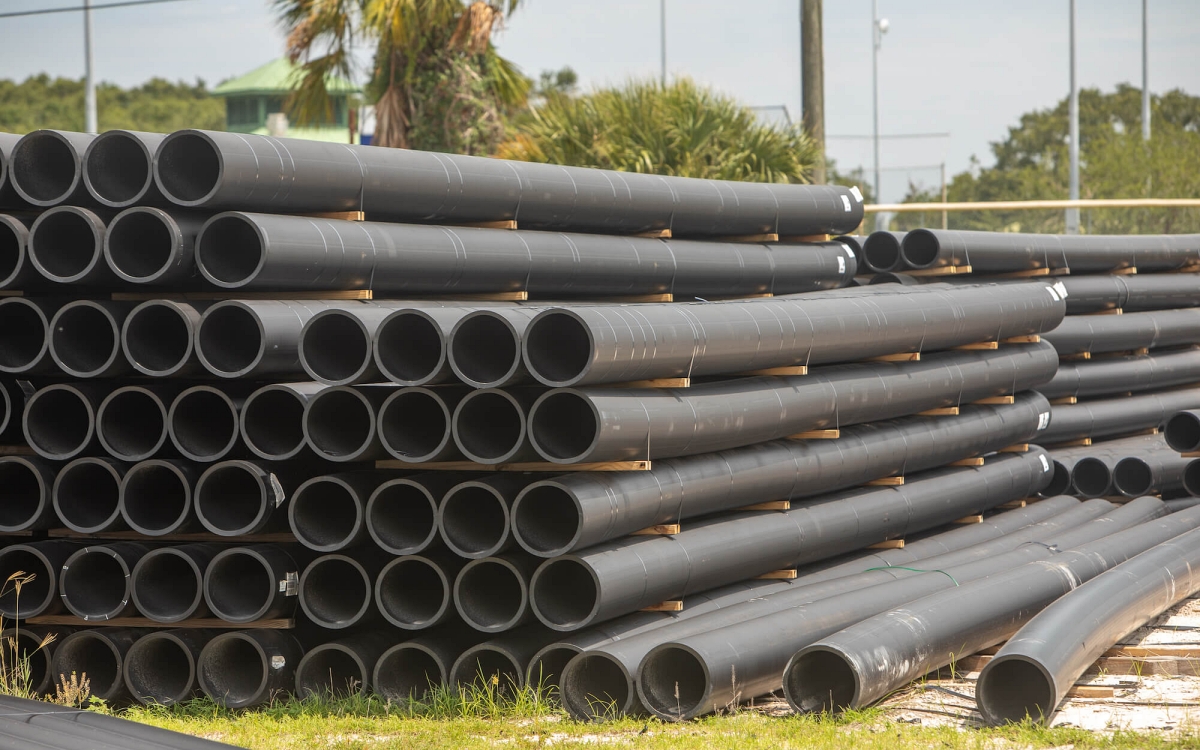
Marine construction projects increasingly rely on buried and submerged pipeline systems to move water, effluent, and industrial fluids between shoreline facilities and offshore environments. Outfall and intake pipelines are critical components of wastewater treatment plants, desalination facilities, power generation stations, and industrial waterfront sites. As these systems are exposed to saltwater, shifting seabeds, and long service lives, material selection plays a major role in performance and reliability. High-density polyethylene pipe has become a widely specified option for marine outfalls and intakes due to its corrosion resistance, flexibility, and fully fused joint systems.
Understanding Marine Outfall and Intake Pipelines
Purpose and Function in Coastal Infrastructure
Marine outfalls are used to discharge treated wastewater or industrial effluent away from shore to promote dilution and dispersion, while intake pipelines draw seawater for cooling, desalination, or industrial processes. These pipelines often extend hundreds or thousands of feet offshore and must remain operational in aggressive marine environments. Unlike typical land-based pipelines, marine systems are exposed to tidal forces, wave action, seabed movement, and biological growth, all of which influence design and installation methods.
Typical Project Environments
Outfall and intake pipelines are commonly installed in nearshore zones with soft sediments, shifting sands, or layered seabed conditions. In many cases, these pipelines cross environmentally sensitive areas or navigable waterways. This requires careful planning to minimize disturbance while ensuring long-term structural integrity. Pipeline materials must tolerate immersion, cyclic loading, and differential settlement without developing leaks or structural damage.
Material Selection Challenges in Marine Pipelines
Corrosion and Chemical Exposure
Saltwater environments accelerate corrosion in metallic pipeline systems, especially where protective coatings are damaged during installation or over time. Marine outfalls also carry treated wastewater that can contain residual chemicals, biological agents, or temperature variations. These conditions increase the risk of internal and external corrosion in traditional steel or ductile iron pipelines.
Movement and Settlement Considerations
Marine pipelines are rarely installed on perfectly stable foundations. Seabed contours can shift due to currents, storms, or vessel activity. Rigid piping systems are more susceptible to cracking or joint separation under these conditions. Material flexibility and joint integrity are therefore critical design considerations for long-term performance.
Why HDPE Pipe Performs Well in Marine Outfalls
Corrosion Resistance in Submerged Conditions
HDPE does not corrode in saltwater and is resistant to a wide range of chemicals commonly found in wastewater and industrial effluent. This eliminates the need for external coatings or cathodic protection systems that are often required for metallic pipelines. As a result, HDPE pipe systems offer predictable performance in fully submerged marine environments over extended service lives.
Flexibility and Tolerance for Seabed Movement
One of the defining characteristics of HDPE is its ability to flex without cracking. This flexibility allows pipelines to accommodate minor seabed settlement, thermal expansion, and wave-induced movement. In marine outfall and intake applications, this reduces stress concentrations and helps maintain system integrity when conditions change over time.
Leak-Free Fusion-Welded Joints
HDPE pipelines are commonly joined using butt fusion or electrofusion methods that create a continuous, homogenous pipe system. These fusion-welded joints are as strong as the pipe wall itself and eliminate gasketed connections that can loosen or leak under movement. For marine applications where access for repairs is limited, fusion-welded pipeline systems provide a significant reliability advantage.
Common Installation Methods for Marine HDPE Pipelines
Float-and-Sink Installation Techniques
One widely used method for installing HDPE outfall and intake pipelines is the float-and-sink approach. Pipe sections are fused together onshore into long continuous strings. Due to the buoyant nature of HDPE, the assembled pipeline can be floated into position on the water surface. Once aligned, controlled ballast is added to gradually submerge the pipeline onto the prepared seabed.
This method reduces the need for extensive marine lifting operations and allows for precise placement, particularly in shallow coastal waters. Float-and-sink installation is commonly documented in wastewater and desalination projects where long offshore pipeline runs are required.
Trenching and Dredging Approaches
In areas with soft sediments or where burial is required for protection, HDPE pipelines may be installed within dredged trenches. Once the pipe is positioned, the trench is backfilled to provide cover and stability. Trenching helps protect the pipeline from vessel anchors, wave action, and ultraviolet exposure near the shoreline.
HDPE’s flexibility allows it to conform to trench profiles without inducing high bending stresses. This characteristic makes HDPE pipe systems well suited for variable seabed conditions often encountered in marine environments.
Design Considerations for Outfalls and Intakes
Diameter and Flow Requirements
Marine outfall and intake pipelines are often large in diameter to accommodate high flow volumes while minimizing velocity. HDPE is available in a wide range of diameters and pressure ratings, allowing engineers to tailor system design to hydraulic and structural requirements. Large-diameter HDPE pipelines are commonly used for cooling water intake systems at power plants and for long wastewater outfalls.
Ballast and Anchorage Systems
Because HDPE is buoyant, marine installations require careful ballast design to ensure the pipeline remains stable once submerged. Concrete collars, weighted coatings, or external anchoring systems are commonly used to counteract buoyancy forces. Proper ballast spacing and weight calculations are essential to prevent pipeline uplift during storm events or high-flow conditions.
Environmental and Regulatory Factors
Marine pipeline projects are subject to environmental permitting and regulatory oversight. Installation methods must minimize turbidity, habitat disruption, and long-term environmental impacts. HDPE pipelines are often favored in these applications because fusion-welded joints reduce leak risk and long service life reduces the need for future disturbance.
Long-Term Performance and Maintenance
Reduced Maintenance Requirements
Once installed, HDPE outfall and intake pipelines typically require minimal maintenance compared to metallic alternatives. The absence of corrosion and the durability of fusion joints reduce inspection and repair needs. This is particularly valuable for offshore pipelines where access requires specialized marine equipment.
Service Life Expectations
Industry documentation commonly cites service lives of several decades for HDPE pipelines in buried and submerged conditions when properly designed and installed. Resistance to chemical attack, abrasion, and biological growth contributes to long-term performance in marine settings.
The Growing Role of HDPE in Marine Infrastructure
As coastal infrastructure continues to expand and aging wastewater systems are replaced, engineers and contractors are increasingly turning to corrosion-resistant piping for marine environments that can withstand harsh conditions with minimal intervention. HDPE has established itself as a reliable option for marine outfalls and intake structures due to its combination of durability, flexibility, and installation efficiency.
The ability to fabricate long continuous pipeline sections, deploy them using float-and-sink methods, and rely on leak-free fusion joints makes HDPE particularly well suited for projects where access and future repairs are challenging. As marine construction projects demand longer service lives and reduced environmental risk, HDPE pipe systems are expected to remain a key component of offshore and coastal pipeline design.
