



Floating Docks as Versatile Platforms for Marine Pile Driving Operations
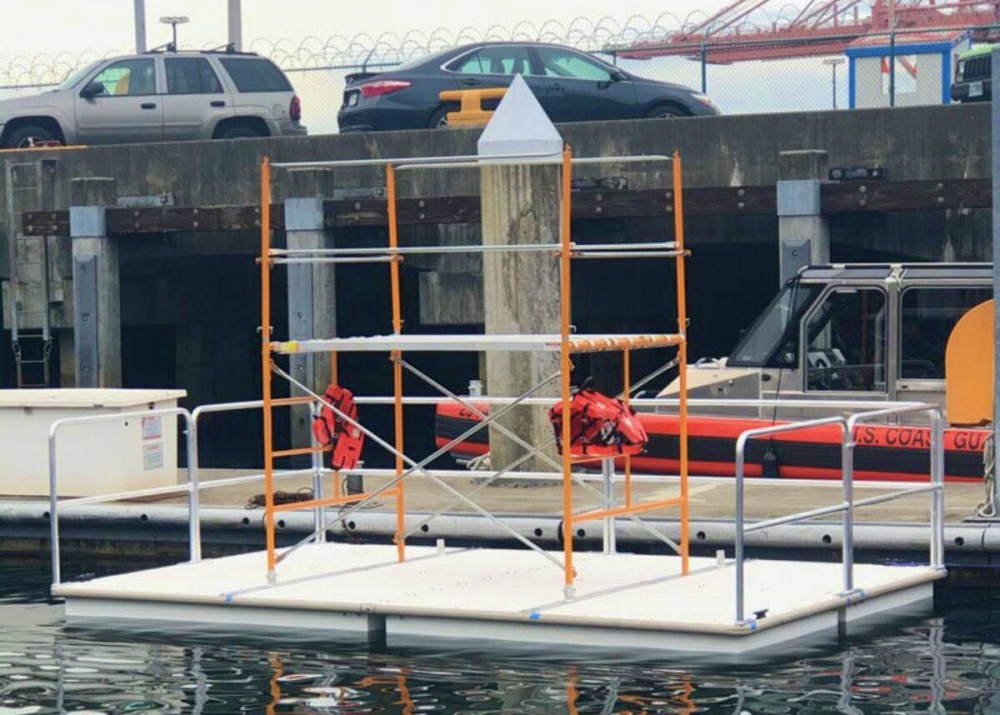
Marine pile driving often requires stable access in environments where land based equipment simply cannot reach. Water depth, soft shorelines, tidal fluctuation, and limited staging space create challenges that demand adaptable solutions. Floating docks have become an increasingly common platform choice for marine pile driving operations because they provide controlled access, load bearing capability, and modular flexibility in a wide range of jobsite conditions. From nearshore foundation work to temporary construction staging, floating docks allow pile driving crews to operate safely and efficiently without permanent infrastructure.
Why Floating Docks Work for Pile Driving
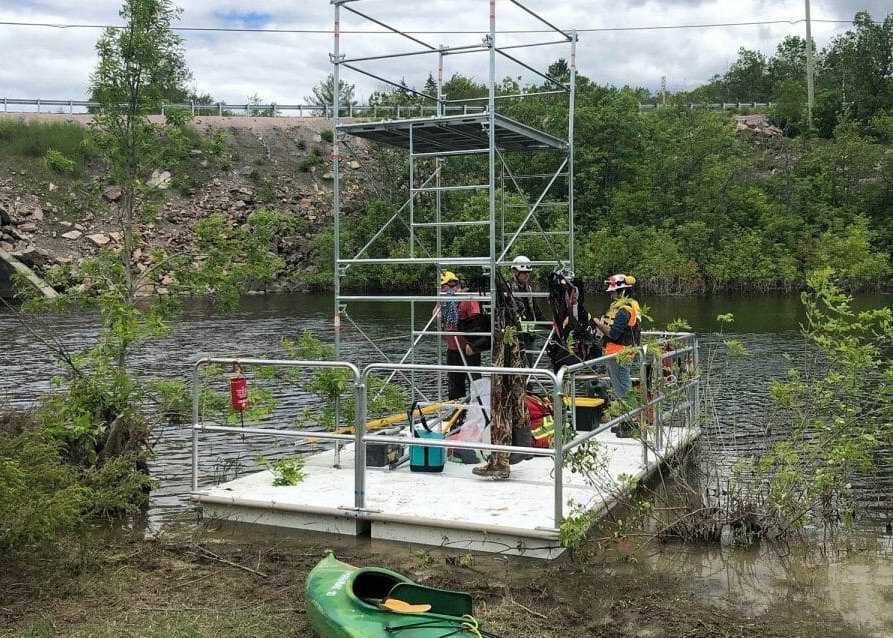
Floating docks offer a stable working surface that can be positioned directly over water where piles must be installed. Unlike barges that often require tug support and anchoring systems, many modern floating dock platforms are designed to remain stationary with simple anchoring or spud systems. This makes them especially useful for small to mid scale pile driving projects where precision positioning is required.
The modular nature of many floating dock systems allows contractors to size the platform based on project needs, supporting pile hammers, leaders, cranes, and material storage. This adaptability has made them a common choice for shoreline reinforcement, pier construction, and temporary marine foundations, particularly in areas with limited access or environmental constraints.
Load Capacity and Equipment Support
Supporting Pile Driving Equipment
One of the primary concerns in marine pile driving is whether a floating platform can safely support dynamic loads generated by impact or vibratory pile driving equipment. Floating docks engineered for industrial or construction use are designed with reinforced frames and buoyancy calculations that account for concentrated loads and shifting forces. When properly configured, they can support pile hammers, leads, compressors, and even smaller cranes used for positioning piles.
Load distribution is critical in these setups. Contractors often configure floating docks in wider footprints to reduce deflection and improve stability during driving operations. This approach helps maintain vertical alignment and reduces movement that could affect pile placement accuracy.
Stability During Driving Operations
Stability is not only about load rating but also about resistance to motion caused by waves, wake, and hammer vibration. Floating docks can be outfitted with guide piles, spuds, or anchoring systems to limit lateral movement. In calmer inland waters, this level of stabilization is often sufficient to create a controlled working environment comparable to land based platforms.
Applications in Different Marine Environments
Nearshore and Shallow Water Projects
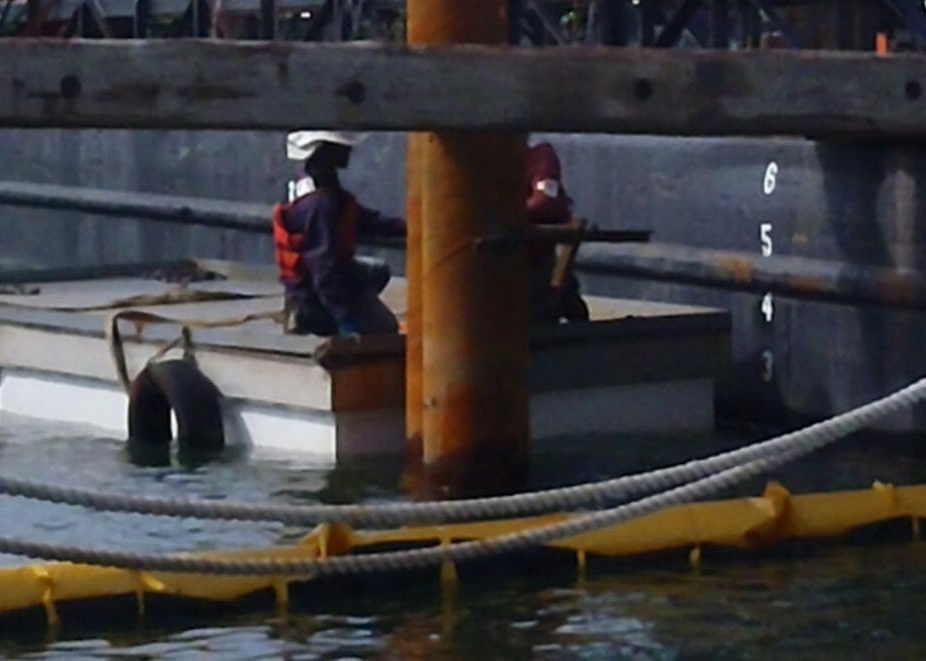
Floating docks are particularly effective in shallow water or nearshore environments where barges may struggle with draft limitations. Pile driving for docks, boardwalks, and shoreline protection often takes place in water depths that are too shallow for traditional marine equipment. Floating docks can be launched and assembled in minimal water depth, then positioned directly at the work location.
This makes them useful for installing timber, steel, or composite piles in residential, commercial, and municipal waterfront projects where site access is limited.
Temporary and Remote Job Sites
In remote locations or environmentally sensitive areas, floating docks offer a low impact alternative to constructing temporary access roads or causeways. They can be installed without permanent disturbance to the seabed and removed once the project is complete. This approach is often favored for temporary pile driving operations related to utilities, research structures, or seasonal installations.
Operational Efficiency and Safety
Floating docks help centralize equipment and personnel in a controlled area, reducing the need for constant repositioning of vessels or machinery. Materials can be staged directly on the platform, allowing crews to work more efficiently with fewer transfers. This improves productivity while reducing risks associated with moving heavy components over water.
From a safety standpoint, floating platforms designed for construction use typically include non slip decking, guardrail compatibility, and predictable freeboard. These features contribute to safer working conditions compared to working directly from small vessels or unstable surfaces.
Environmental and Regulatory Considerations
Marine construction projects are increasingly subject to environmental regulations that limit seabed disturbance and shoreline alteration. Floating docks align well with these requirements because they minimize direct contact with the bottom and can be repositioned without dredging or excavation. This can simplify permitting and reduce environmental impact, especially in protected waterways.
Noise and vibration management is also a concern during pile driving. While floating docks do not eliminate these effects, their stability and positioning accuracy help reduce rework and unnecessary driving, which can lower overall disturbance.
Choosing the Right Floating Platform
Selecting an appropriate floating platform for pile driving depends on load requirements, water conditions, and project duration. Contractors often evaluate deck strength, buoyancy, connection systems, and anchoring options when planning operations. Modular floating work platforms allow crews to scale the system as needed, adding or removing sections based on equipment size and jobsite constraints.
Proper engineering and setup remain essential. Even the most robust floating dock must be configured correctly to handle pile driving forces safely and effectively.
The Role of Floating Docks in Modern Marine Construction
As marine construction continues to expand into areas with access limitations and environmental sensitivity, floating docks have become a practical solution for pile driving operations. Their adaptability, stability, and ease of deployment make them a valuable tool for contractors working in diverse marine environments. By serving as reliable platforms for equipment and crews, floating docks help bridge the gap between land based construction methods and over water foundation work.
They provide stable, modular platforms in shallow or restricted waters where land-based equipment or barges cannot operate efficiently.
Yes, industrial-grade floating docks are engineered with reinforced frames and buoyancy to handle dynamic loads from pile hammers, cranes, and compressors. Why are floating docks used for marine pile driving?
Can floating docks safely support pile driving equipment?
