

Fall Protection in Piling Operations: Integrating Rigging Gear for Worker Safety on Elevated Sites
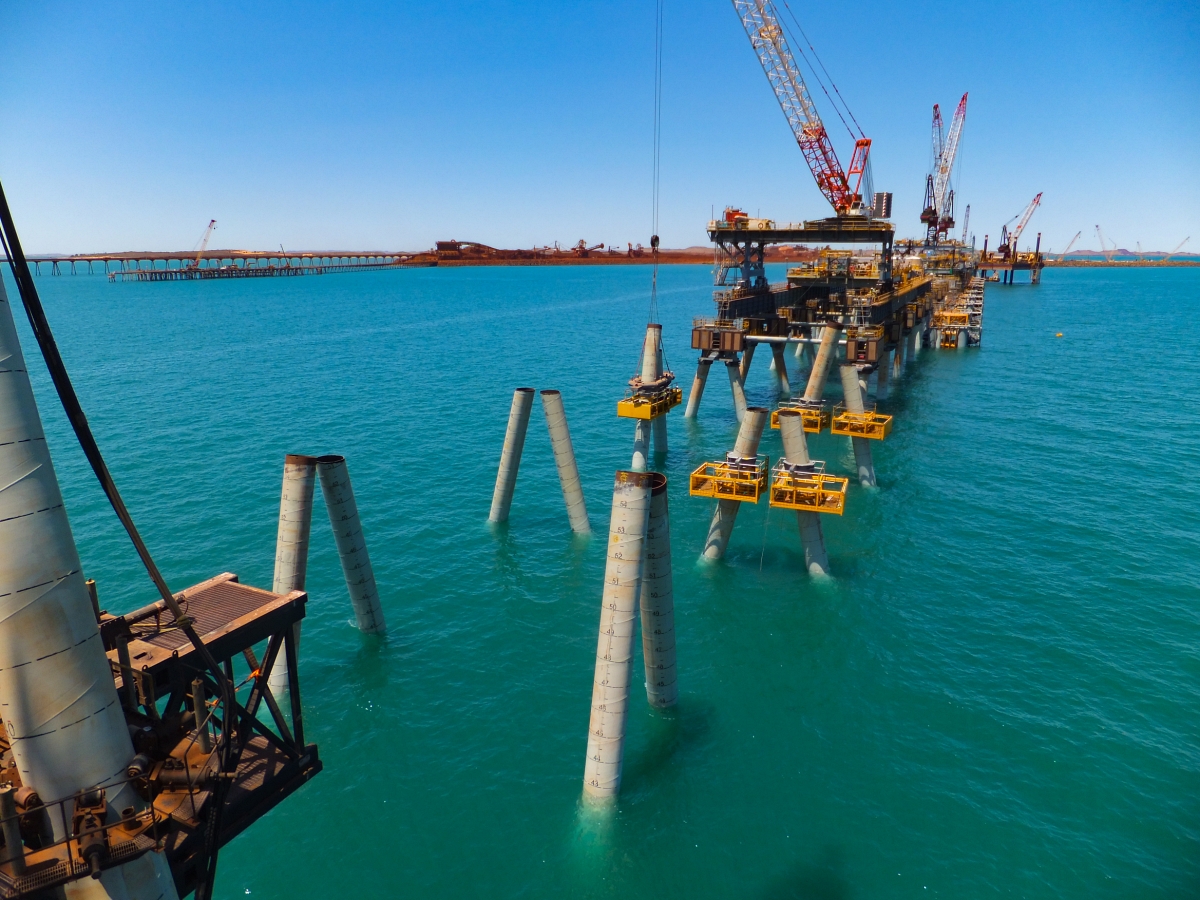
Working at height is unavoidable in modern piling operations, whether crews are installing deep foundations from fixed platforms, temporary trestles, or floating equipment. Falls remain one of the leading causes of serious injuries and fatalities in construction, and piling work introduces additional complexity due to heavy loads, moving rigging gear, and constantly changing site conditions. Effective fall protection in piling operations requires more than personal protective equipment alone. It demands a coordinated approach where rigging gear, access systems, and work planning are aligned to protect workers operating on elevated and often unstable surfaces.
Understanding Fall Risks in Piling Operations
Piling sites expose workers to unique fall hazards that differ from those found on conventional building projects. Elevated work areas may include pile leads, crane-supported templates, work platforms over water, and temporary structures assembled specifically for foundation installation. These locations often lack permanent guardrails or fixed anchorage points, increasing reliance on temporary systems.
The presence of heavy rigging gear introduces additional risks. Slings, hooks, and lifting lines move continuously during pile handling and driving. Workers may need to position or adjust loads while standing at height, increasing the likelihood of slips, trips, or loss of balance. Environmental factors such as wind, vibration from pile driving, and wet or muddy surfaces further elevate fall risk and must be considered when designing protection strategies.
Regulatory Framework and Safety Expectations
Fall protection requirements for piling operations are governed by established construction safety regulations. In the United States, OSHA standards require fall protection when employees are exposed to falls of six feet or more in construction activities. These rules apply to elevated work platforms, pile driving rigs, and temporary access systems commonly used in foundation work.
Regulatory guidance emphasizes that fall protection systems must be appropriate for the task and capable of supporting the required loads. Anchorage points must be able to withstand specified forces, and connectors and lifelines must be compatible with expected movement. Integrating rigging gear into this framework means ensuring that lifting equipment and fall protection components do not interfere with one another or compromise overall system strength.
Role of Rigging Gear in Fall Protection Planning
Rigging gear plays a critical role in piling operations, and its integration into fall protection planning is often overlooked. Lifting beams, spreader bars, wire rope slings, and synthetic slings all influence how workers access elevated positions and interact with loads. Poorly planned rigging can force workers into unsafe positions or require them to work outside protected zones.
When selected and positioned correctly, rigging gear can support safer workflows. Load control devices and tag lines help reduce sudden movements that could destabilize workers. Properly rated connectors and attachment points can be coordinated with personal fall arrest systems to maintain separation between lifting and fall protection functions. Many contractors rely on proven rigging hardware solutions from experienced suppliers to ensure compatibility between lifting and safety systems while meeting applicable standards.
Anchorage Considerations on Elevated Sites
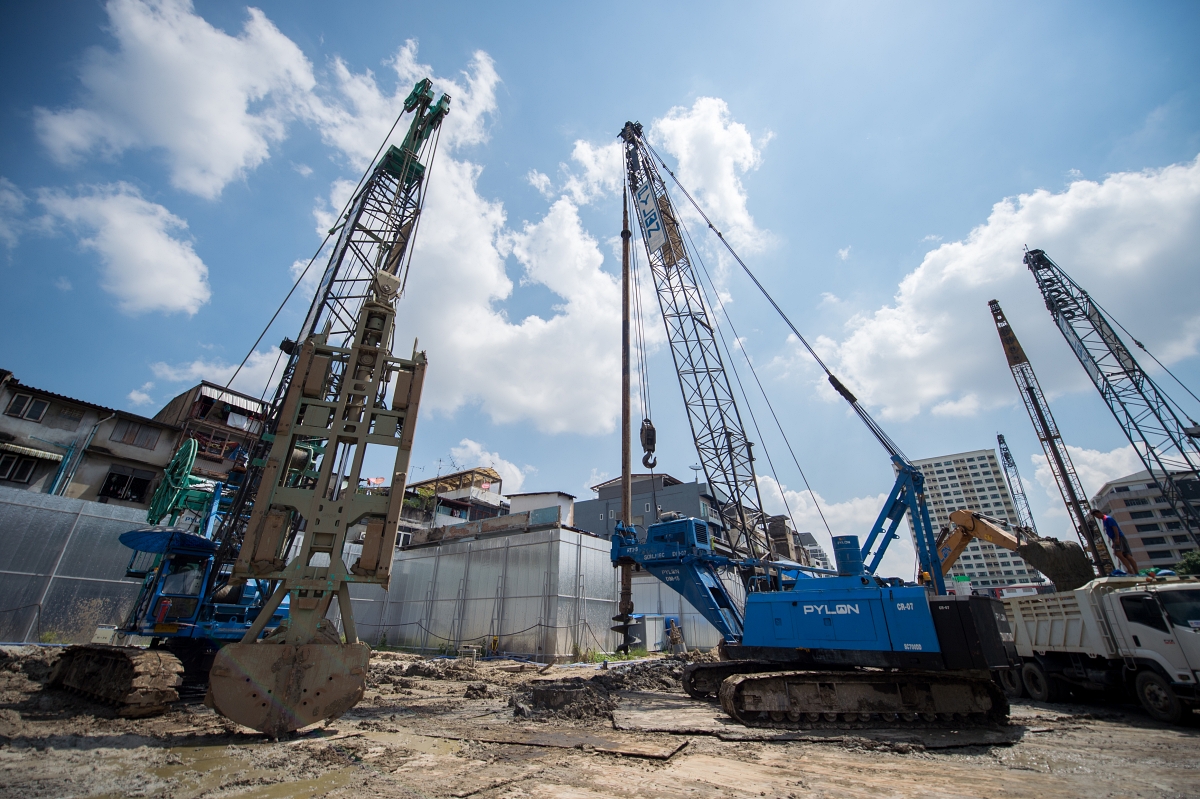
Anchorage is a central element of any fall protection system, and piling sites present unique challenges. Permanent structural anchor points are rarely available, especially during early foundation phases. As a result, temporary anchorages are often created using structural members of the piling rig, crane boom support structures, or purpose-built anchor frames.
These anchorages must be evaluated for strength, direction of loading, and potential interference with rigging operations. Anchorage points used for fall protection should be independent from lifting points whenever possible to avoid shock loading from suspended loads. Clear separation between rigging loads and fall arrest forces helps prevent unintended system failures and simplifies inspection and verification.
Coordinating Personal Fall Arrest Systems and Rigging
Personal fall arrest systems are widely used in piling operations due to the lack of continuous guardrails. Harnesses, lanyards, and self-retracting lifelines allow workers to move while maintaining protection. However, these systems must be carefully coordinated with rigging gear to avoid entanglement or obstruction.
Routing lifelines away from moving slings and hooks reduces the chance of contact with sharp edges or pinch points. Vertical lifelines may need to be repositioned as piling progresses to maintain proper clearance. Training workers to recognize interaction hazards between their fall protection equipment and active rigging operations is essential for maintaining system effectiveness throughout the job.
Access Systems and Temporary Platforms
Safe access to elevated piling work areas is a key component of fall protection. Temporary work platforms, ladders, and stair towers must be designed to support both workers and the rigging tasks performed from them. Platforms should provide sufficient space to handle tools and materials without forcing workers to lean or overreach.
Rigging activities often require precise positioning of piles or casing, which can tempt workers to step outside protected areas. Integrating access systems with rigging plans helps ensure that workers can perform tasks from stable, protected positions. This coordination reduces reliance on improvised solutions that increase fall risk.
Training and Competency Requirements
Effective fall protection in piling operations depends heavily on worker training. Crews must understand how fall hazards develop during different phases of piling work and how rigging activities influence those hazards. Training should cover proper use of harnesses, connectors, and lifelines, as well as recognition of unsafe interactions between fall protection and lifting equipment.
Competent persons responsible for rigging and fall protection planning should be involved early in project setup. Their role includes evaluating site-specific hazards, selecting appropriate equipment, and adjusting systems as conditions change. Ongoing supervision ensures that protection measures remain effective as piling progresses.
Inspection and Maintenance of Safety Equipment
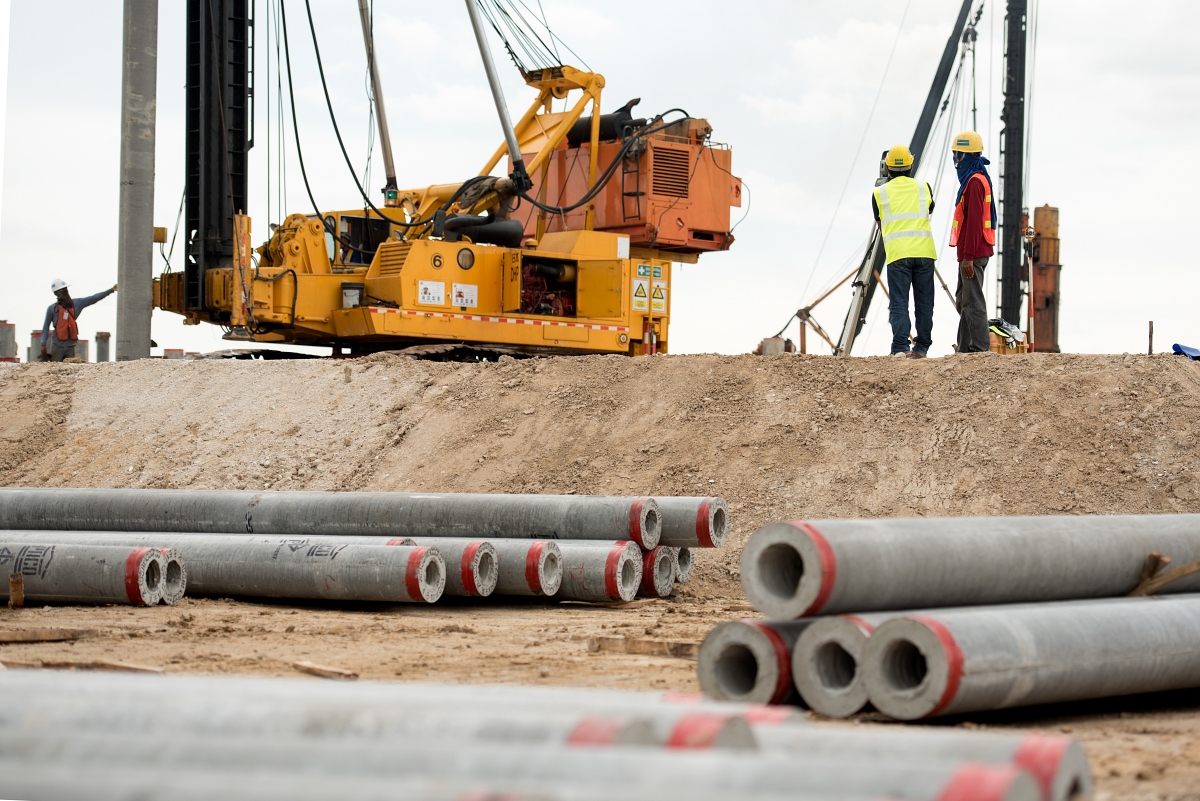
Regular inspection of both rigging gear and fall protection equipment is essential on piling sites. Components are exposed to heavy loads, abrasion, moisture, and vibration, all of which can degrade performance. Inspections should verify that connectors, slings, and lifelines remain free from damage and compatible with one another.
Inspection programs help identify wear or misalignment before failures occur. Documented inspection and maintenance practices support compliance with safety standards and provide assurance that equipment will perform as intended during critical operations.
Integrating Safety into Project Planning
Fall protection should be integrated into piling project planning rather than treated as an afterthought. Early coordination between engineers, rigging specialists, and safety personnel allows fall hazards to be addressed through design and sequencing. Selecting equipment and methods that minimize work at height can significantly reduce exposure.
By planning rigging operations to limit manual handling and repositioning at elevation, contractors can create safer workflows. This proactive approach aligns safety objectives with productivity goals and reduces the likelihood of incidents that disrupt schedules.
Building a Safer Elevated Work Environment
Integrating rigging gear into fall protection strategies is essential for protecting workers on elevated piling sites. A comprehensive approach considers regulatory requirements, equipment compatibility, access systems, and worker training as interconnected elements. When these components are aligned, fall protection becomes a functional part of daily operations rather than an obstacle to productivity.
Contractors who invest in well-coordinated systems and reliable fall protection equipment create safer environments for their crews while maintaining efficient piling operations.
Falls from elevated or unstable surfaces are a leading cause of injuries, so proper protection keeps workers safe and projects on schedule.
By coordinating anchorage points, lifelines, and equipment layout, rigging gear supports safe movement without interfering with personal fall arrest systems. Why is fall protection important in piling operations?
How can rigging gear be integrated with fall protection systems?
