

Essential Dock Construction Supplies: Tools and Hardware for Durable Waterfront Builds
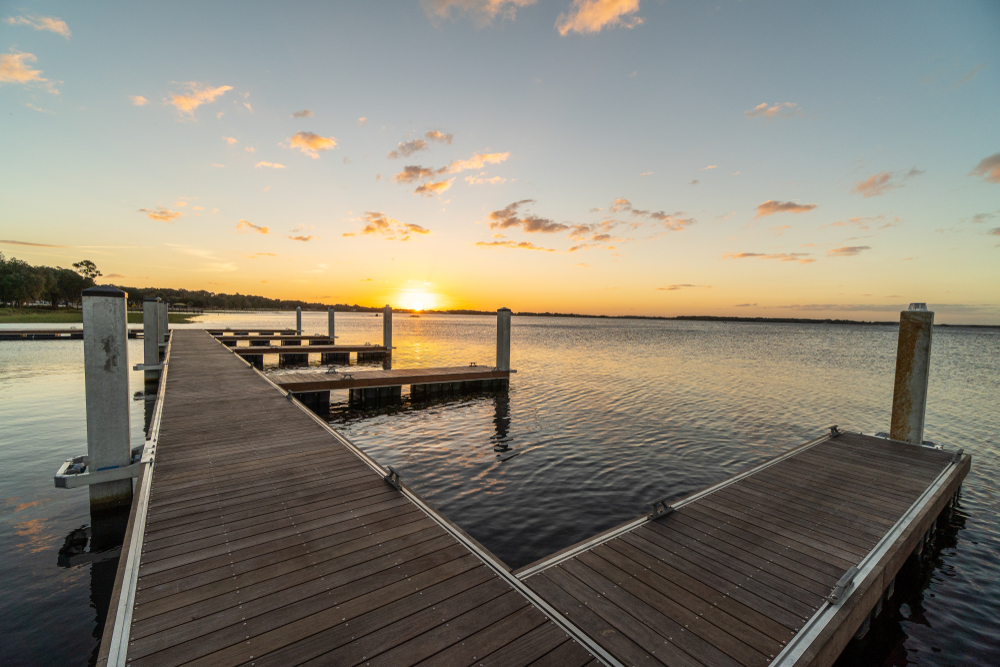
Dock construction must account for continuous exposure to water, shifting loads, and demanding field conditions. Builders rely on dependable tools and corrosion resistant hardware to create structures that remain safe and stable throughout changing seasons and water levels. The right selection of materials is essential for durability, accuracy, and long term performance. Many builders start by examining reliable dock builder supplies which help maintain precision and efficiency during installation.
Dock projects involve intersecting challenges that combine structural engineering needs with environmental exposure. Waterfront structures face constant moisture cycles and require components that can resist corrosion, mechanical wear, and seasonal temperature changes. Tools that maintain accuracy under these conditions are vital since even small deviations during framing or fastening can influence long term alignment and stability.
Structural Requirements in Dock Construction
Load Bearing Considerations
Docks withstand vertical loads from foot traffic, equipment, and vessel contact. They also absorb lateral forces generated by waves, wind, and tidal movement. This combination of forces requires accurate alignment during installation. Builders need cutting and drilling tools that produce clean edges and precise holes in timber or composite framing. Even load distribution reduces stress on fasteners and helps extend the life of the structural frame.
Material Selection for Waterfront Structures
Many docks use pressure treated lumber or composite decking materials because these products resist rot and moisture absorption. Cutting and drilling tools for these materials must be capable of maintaining accuracy across dense surfaces. Composite materials benefit from clean, controlled cuts that avoid chipping, while wooden structures require tools that prevent splitting. High torque drills, impact drivers, and corrosion resistant fasteners support strong and stable assemblies.
Fastening Systems for Marine Durability
Corrosion Resistant Fasteners
Fasteners are critical because they form the connection points between joists, beams, and decking. Stainless steel hardware is often preferred for saltwater environments due to its higher corrosion resistance. Galvanized fasteners are also used in many applications, particularly where cost considerations apply. Marine exposure increases the likelihood of rust and material fatigue, so builders select fasteners that match the expected environmental conditions.
Anchoring Solutions for Stability
Anchoring systems are essential for docks that face wave action or tidal movement. Pilings must reach stable soil layers, and auger anchors must be installed with proper alignment to prevent lateral drift. Tools that support accurate drilling and measurement help crews maintain consistent depth and angle during installation. Anchors and pilings form the foundation of the structure, which means precision during installation directly impacts long term safety.
Tools That Support Precision and Installation Quality
Cutting and Drilling Tools for Marine Projects
Docks require repetitive cutting tasks, often in hardwood, treated lumber, or composite materials. Circular saws with corrosion resistant blades and drills designed for continuous workloads support efficient framing. Drill bits must create accurate holes for large diameter lag bolts and structural screws. Clean cuts and precise drilling reduce the risk of misalignment, which helps maintain an even walking surface and stable frame.
Measuring and Alignment Equipment
Accurate measurements ensure that framing, decking, and support components line up correctly. Tools such as levels, measuring tapes, and squares must remain consistent in varying weather conditions. Laser levels improve accuracy when setting posts and beams by establishing a uniform elevation reference. Proper alignment helps prevent uneven loads and reduces unnecessary wear on fasteners and surface boards.
Hardware for Strength and Service Life
Connectors, Brackets, and Reinforcement Components
Metal brackets, joist hangers, and reinforcement plates distribute loads across wider surfaces. These components must resist corrosion since they often remain exposed to saltwater spray and changing humidity levels. Stainless steel and coated hardware improve structural reliability and prevent early deterioration. Reinforced connection points help maintain stability even when the dock is exposed to heavy use or strong environmental forces.
Decking Fasteners and Surface Hardware
Surface fasteners keep deck boards secure while allowing for natural expansion and contraction. Composite decking often uses hidden fastener systems that provide smooth walking surfaces. Wooden decking requires corrosion resistant screws that maintain grip despite moisture cycles. Tools that prevent over tightening help preserve material strength and reduce the risk of cracked boards.
Environmental Challenges and Maintenance Considerations
Moisture, Temperature, and UV Exposure
Waterfront environments expose materials to cycles of wetting and drying. UV exposure weakens some surfaces over time, and temperature changes cause expansion and contraction in both wood and metal. Proper spacing during installation helps reduce moisture retention under deck boards. Builders use tools that ensure consistent spacing and ventilation, which improves airflow and supports a longer service life.
Long Term Inspection and Repair Planning
Dock maintenance requires periodic replacement of worn fasteners and damaged decking. Workers rely on reliable marine construction tools to remove corroded components and install new hardware safely and efficiently. Proper maintenance helps prevent structural failures and extends the overall life of the dock.
Safety Tools That Support Dock Construction Work
Personal Protective Equipment
Dock construction sites present uneven surfaces, slipping hazards, and exposure to heavy materials. Gloves, non slip boots, protective eyewear, and hearing protection are standard requirements. Fall protection equipment is essential when working close to edges or over water. Consistent use of protective equipment reduces risk and promotes safe installation practices.
Safe Handling of Heavy Hardware
Many dock components, such as beams, pilings, and metal brackets, require proper lifting techniques. Builders use clamps, lifting straps, and hoists to handle heavy materials without damaging the components or risking injury. Proper handling ensures that structural pieces remain intact throughout installation.
Waterfront construction demands tools and hardware that perform reliably under moisture, UV exposure, and mechanical stress. High quality fasteners, accurate measuring instruments, and strong structural components work together to create stable and durable docks. Builders who select corrosion resistant materials and use tools designed for marine environments achieve longer service life and safer structures. Strong foundations, precise installation, and routine inspection support waterfront builds that remain dependable for years to come.
High torque drills, corrosion resistant saws, auger bits, and measuring/alignment tools ensure precise cuts and stable framing.
Stainless steel or coated fasteners, brackets, and joist hangers resist corrosion and maintain structural integrity in waterfront conditions. What tools are essential for building durable docks in marine environments?
Which fasteners and hardware are best for long-lasting dock construction?
