

Best Practices for Dock Selection and Repair in Aging Marine Facilities
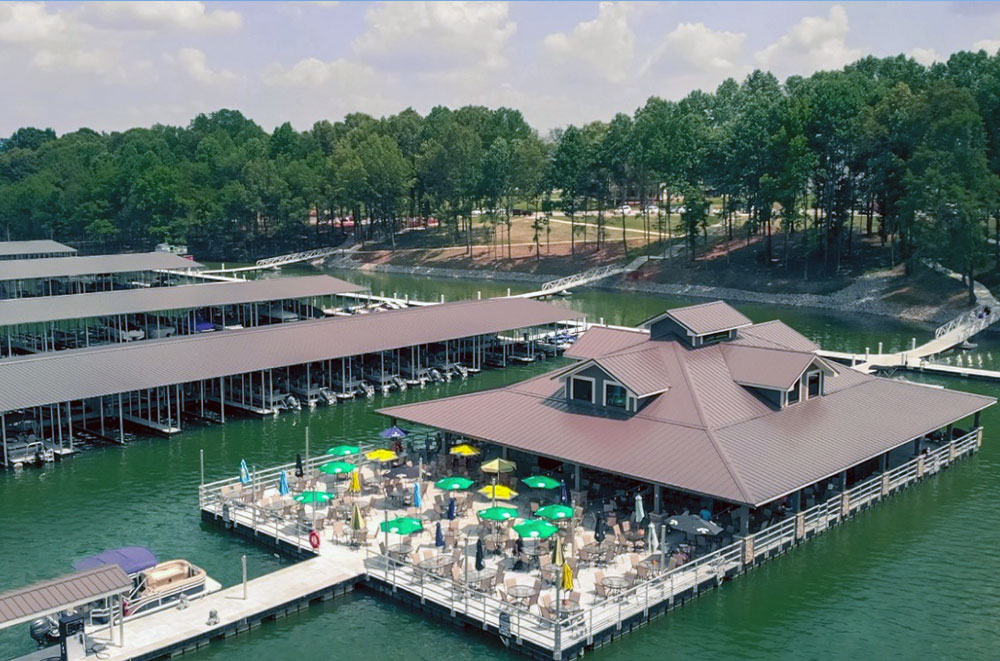
Marine facilities are essential parts of coastal communities and waterfront industries. Aging docks and piers not only affect the safety and efficiency of operations but also influence long term maintenance costs and environmental performance. Facility managers and owners must make informed decisions about how to select the right dock systems and how to approach repairs when structures begin to show signs of wear. The choices made early in the selection process and the ongoing maintenance practices applied over the life of a dock can reduce costly overhauls, improve safety for users, and help preserve the surrounding marine environment.
Understanding Marine Dock Systems
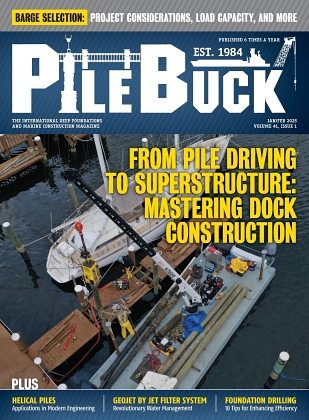
Selecting a dock begins with a clear understanding of what a dock system encompasses and how it will perform in the specific environmental conditions where it will be placed. A dock system is not simply a deck over water. It includes foundational pilings, framing, decking surfaces, anchoring components, and connection hardware, all designed to withstand forces from waves, wind, salinity, and regular use. Materials such as corrosion resistant metals, pressure treated timber, composite decking, or reinforced concrete each bring distinct performance profiles that owners must consider based on site specific factors.
Key Selection Criteria for Aging Facilities
When an existing marine facility has aging infrastructure, the selection criteria for a new or replacement dock must include current use patterns, historical environmental loads, and anticipated future activity. Water depth, tidal forces, storm surge frequencies, and the presence of ice are all factors that influence decisions on pile height, spacing, and material choice. Older docks often were designed to standards and conditions that differ from today’s environmental expectations and regulatory requirements. In such cases a thorough site assessment by qualified professionals can determine whether a retrofit, partial replacement, or complete rebuild is most cost effective and sustainable.
Assessing the underlying soil or seabed composition is also critical. Structural supports rely on adequate bearing capacity to resist lateral and vertical loads. Geotechnical evaluations help designers choose between driven piles, socketed piles, or floating support systems that distribute loads effectively and reduce settlement and movement over time. This detailed planning pays dividends for aging docks that have suffered from erosion or degradation at the foundation level.
Environmental Impact and Regulatory Alignment
Modern marine facility design must integrate environmental stewardship with engineering performance. Along shorelines and in ecologically sensitive zones, docks and piers must be planned to minimize disruption to water flow, sediment movement, and marine life habitats. Regulatory frameworks at local, state, and federal levels govern permitting, water quality protection, and shoreline alteration. Navigating these requirements early in the selection process prevents costly delays and non compliance issues downstream. In addition, adopting sustainable best practices such as choosing materials that resist biofouling and corrosive degradation reduces environmental impact while decreasing maintenance demands.
Approaches to Dock Maintenance and Repair
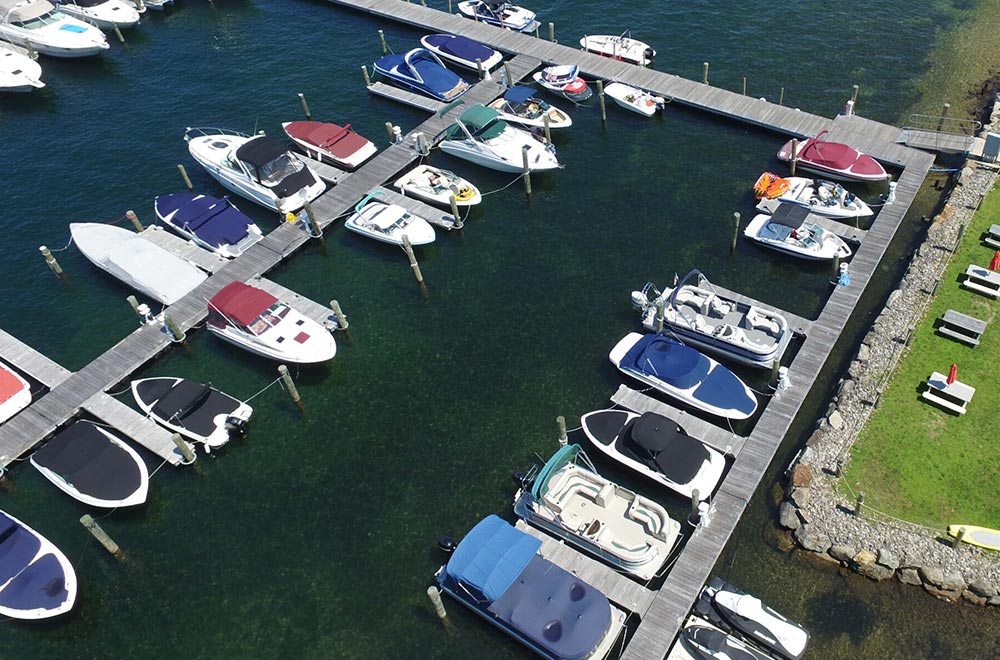
Once appropriate materials and structural concepts are selected, marine facility managers must focus on practices that minimize deterioration over time. Aging docks are particularly vulnerable to cumulative damage from repetitive wave action, seasonal temperature changes, and human traffic.
Routine Inspection and Preventive Maintenance
Regular inspection and maintenance form the cornerstone of prolonging the useful life of dock structures. Seasonal checks help identify problems in their early stages before they become extensive and expensive to fix. Inspections should include looking for signs of corrosion on metal fixtures, rot or cracks in wooden components, loosening of fasteners, and signs of shifting or movement in support pilings. A consistent preventative maintenance schedule helps ensure that small issues are addressed promptly, which in turn reduces the need for major repairs.
Cleaning and environmental upkeep also contribute to the longevity of docks. Accumulated debris, marine growth, and standing water can accelerate material degradation. Periodic washing and removal of contaminants help preserve surface finishes and structural integrity. Additionally, mindful environmental practices such as proper disposal of waste and avoiding harmful cleaning agents support compliance with marina best management guidelines.
Repair Strategies for Common Damage Patterns
Repair needs at aging marine facilities vary widely based on materials used and environmental stresses. Wooden docks, for example, often require plank replacement due to rot or splintering, while metal supports might need treatment for corrosion or straightening if bent. When facing significant structural damage, many operators use proven repair methods that restore function while respecting the original design capacity of the dock. These repairs might include replacing deteriorated decking boards, tightening or replacing corroded fasteners, reinforcing pilings that have lost capacity, or installing supplemental bracing to resist lateral loads.
Selecting the right repair approach depends on accurate damage assessment by qualified professionals. In cases of foundation instability, underpinning or replacement of support elements may be necessary. For surfaces that show heavy wear, resurfacing with higher performance materials can extend life and reduce slip hazards. Each repair decision should account for current use demands and projected future conditions to avoid repetitive short term fixes that do not address underlying issues.
Long Term Upgrades and Modernization
For aging marine facilities, repair is often accompanied by opportunities to modernize design and materials. Incorporating higher strength connectors, corrosion resistant alloys, and sustainable decking materials can produce a dock that is easier to maintain and more resilient to environmental challenges. Upgrades may also include enhancements to safety features, such as improved railing systems or lighting, and improved accessibility for users. Planning these improvements concurrently with structural repairs creates cost efficiencies and prepares the facility to meet evolving needs.
Planning for Future Resilience
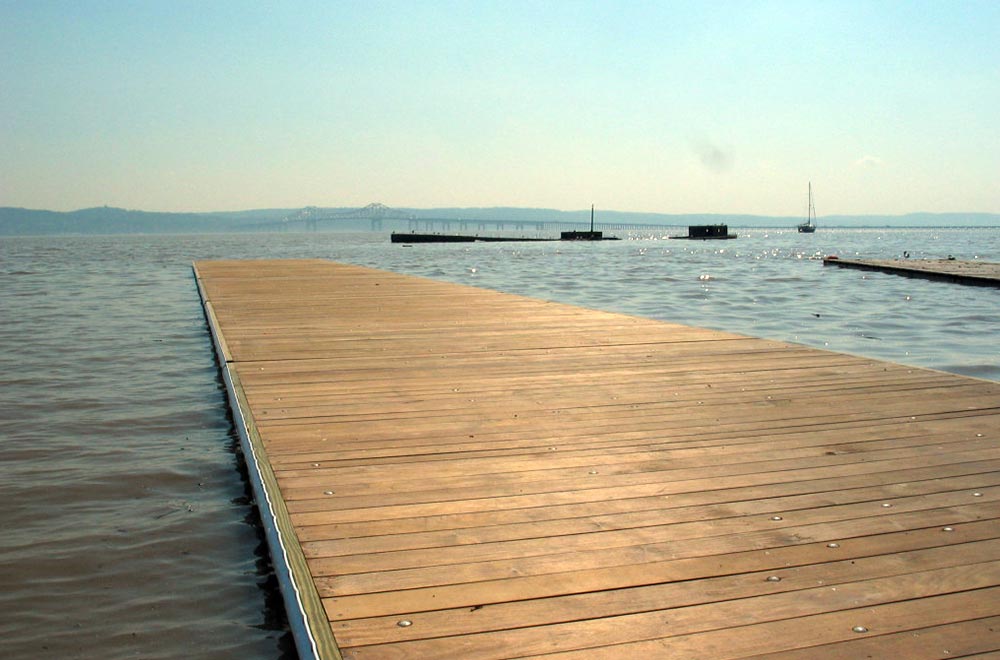
When docks reach advanced ages, facilities must think beyond repair and maintenance to broader resilience planning. Climate change and rising sea levels heighten the importance of designing for longevity and adaptability. A resilient dock incorporates flexibility to adjust to changing water levels and storm intensities, as well as strategies for routine inspection and timely upgrades. Engaging with marine engineers and environmental specialists early in planning ensures that aging docks can transition into modern, resilient assets that continue to serve communities and waterfront industries effectively.
How do I choose the right materials for a marine dock?
Select materials based on environmental exposure, load requirements, and resistance to moisture, corrosion, and biological activity.
What maintenance practices extend the life of an aging dock?
Regular inspections, preventive repairs, and cleaning of debris and marine growth help prevent major damage and prolong service life.
