

Dive and Inspection Support Vessels: Essential Tools for Underwater Piling Assessments and Maintenance
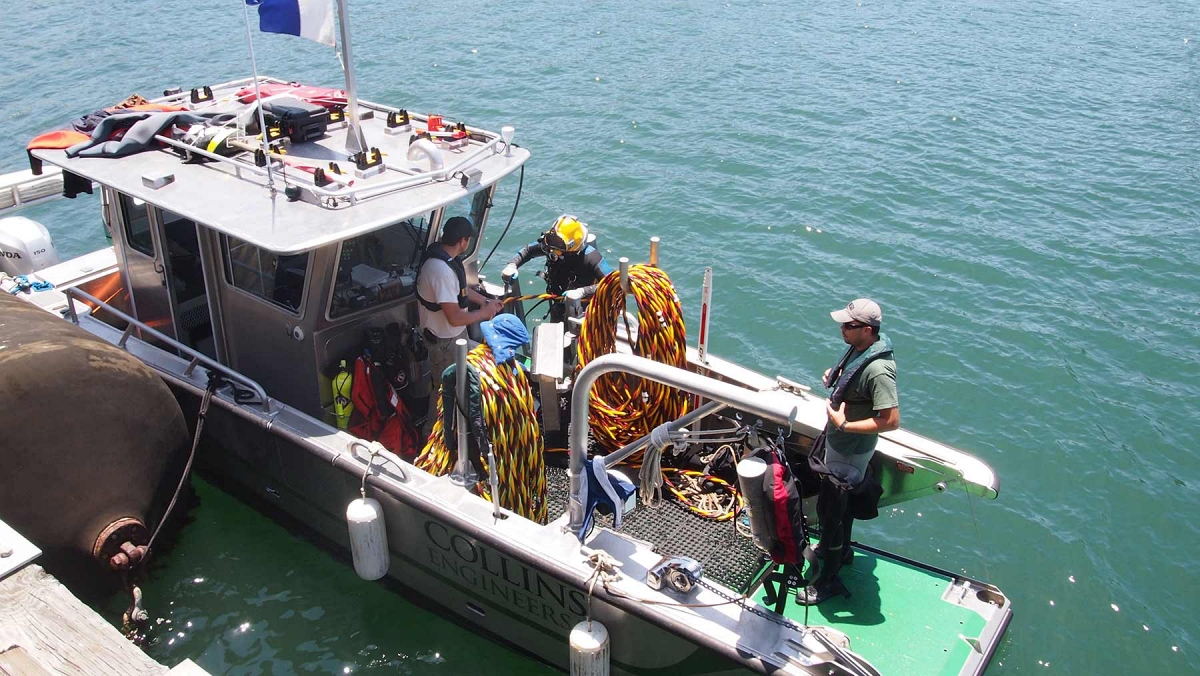
Underwater piling systems form the structural backbone of docks, bridges, terminals, and marine facilities, yet the most critical components often remain out of sight. Regular inspection and maintenance below the waterline are essential for structural integrity, regulatory compliance, and long term asset performance. Dive and inspection support vessels play a central role in enabling safe, efficient, and accurate underwater piling assessments, providing stable platforms for divers, inspection teams, and specialized equipment in challenging marine environments.
The Role of Dive Support Vessels in Marine Infrastructure
Dive and inspection support vessels are purpose built workboats designed to assist underwater inspection, maintenance, and repair operations. These vessels are commonly used in ports, harbors, coastal construction zones, and inland waterways where pile supported structures require ongoing evaluation. Their primary function is to safely deploy divers and inspection tools while maintaining station near the structure under inspection.
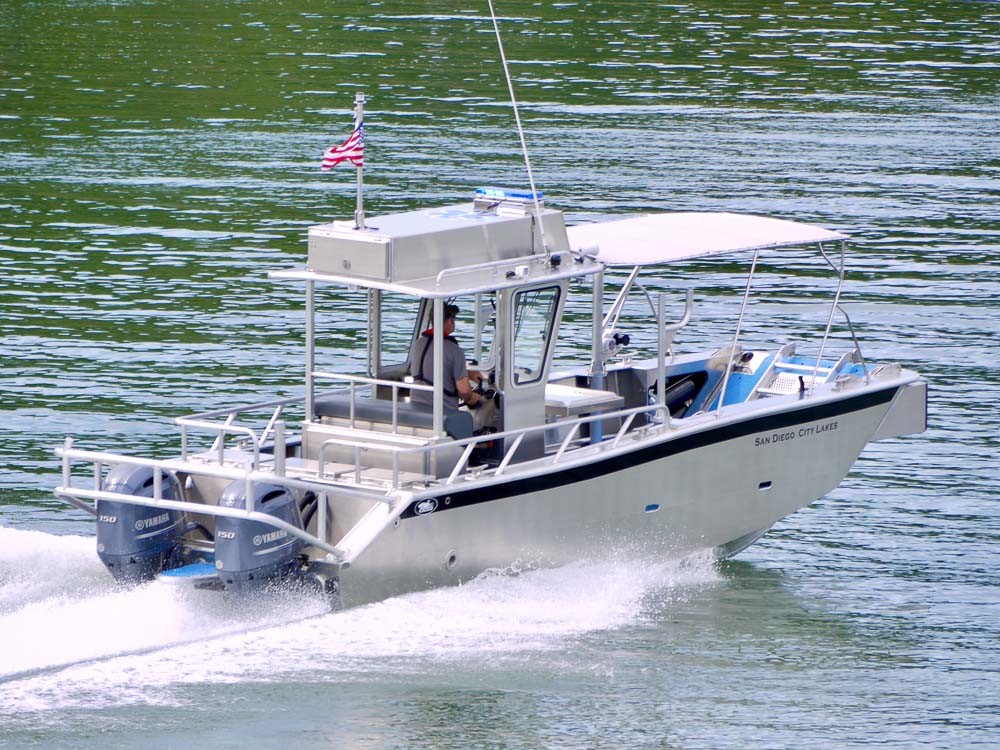
Modern support vessels are often constructed from welded aluminum or steel and configured to operate in shallow draft conditions. This allows crews to access piling systems in confined areas such as marina basins, bridge piers, and bulkhead walls. Many marine contractors rely on rugged aluminum workboats designed for inspection and service work to support routine underwater assessments throughout a structure’s service life.
Vessel Features Supporting Underwater Piling Assessments
Deck Layout and Diver Access
The deck layout of a dive support vessel directly impacts inspection efficiency and safety. Open work decks provide space for dive gear, air supply systems, and inspection tools while allowing crews to move freely during operations. Transom platforms and side doors are often integrated to facilitate diver entry and recovery in varying sea states.
Handrails, non slip decking, and clear deck edges are standard features required by marine safety regulations. These elements help reduce fall risks and improve stability during diver deployment. A stable deck environment also supports topside inspection tasks such as visual pile surveys and documentation.
Station Keeping and Maneuverability
Precise positioning is critical during underwater piling inspections. Support vessels must hold station alongside piles, dolphins, or pier faces without causing damage or disrupting diver activity. Twin engine configurations, bow thrusters, and responsive steering systems allow operators to maintain position in currents, tides, and wake exposed areas.
Shallow draft hulls and reinforced keels enable vessels to operate close to structures without grounding risks. Many contractors prefer versatile marine workboats designed for inspection support because they combine maneuverability with durability in harsh operating environments.
Underwater Inspection Methods Supported by Vessels
Diver Based Visual Inspections
Diver based inspections remain a standard practice for evaluating pile condition in marine construction and maintenance. Divers assess corrosion, marine growth, section loss, cracking, and physical damage that may not be visible from above water. Support vessels provide the platform for air supply, communications, lighting, and emergency response systems required during these operations.
Inspection findings are typically documented through underwater photography, video, and written reports. Vessel mounted equipment such as winches and davits assist with deploying cameras and measuring tools, improving inspection accuracy and repeatability.
Non Destructive Testing and Survey Tools
In addition to visual assessments, dive support vessels facilitate non destructive testing methods used in underwater piling evaluations. These methods may include ultrasonic thickness measurements, pile integrity testing, and cathodic protection surveys. Support vessels carry the specialized equipment and power systems required for these advanced inspection techniques.
For larger marine facilities, inspection vessels often serve as mobile survey platforms, enabling teams to move efficiently between multiple pile groups or structural zones during a single operation.
Safety and Regulatory Considerations
Compliance with Marine Safety Standards
Dive and inspection operations are subject to strict safety and regulatory requirements. Support vessels must comply with applicable maritime standards governing vessel construction, stability, and onboard safety systems. These requirements are enforced by agencies such as the US Coast Guard and Occupational Safety and Health Administration.
Vessel configurations must support safe diver operations, including emergency recovery capabilities and adequate space for medical response if needed. Proper vessel selection reduces risk exposure for inspection teams while helping operators meet regulatory obligations.
Supporting Emergency Response Readiness
Dive support vessels also play a role in emergency response planning for marine infrastructure owners. In the event of structural damage, vessel mounted inspection platforms allow rapid underwater assessments to determine repair needs and prevent further deterioration. Having access to reliable inspection vessels improves response time following storms, vessel impacts, or seismic events.
Applications Across Marine and Coastal Projects
Bridges, Piers, and Waterfront Structures
Bridge foundations, piers, and waterfront retaining systems rely heavily on piling systems exposed to constant environmental stress. Dive and inspection support vessels are routinely used to inspect timber, steel, and concrete piles for decay, corrosion, and mechanical damage. These inspections inform maintenance planning and extend asset service life.
Support vessels capable of operating in tidal rivers and coastal zones are especially valuable for bridge owners managing aging infrastructure networks.
Ports, Terminals, and Industrial Facilities
Ports and industrial waterfronts experience high operational loads and frequent vessel traffic, increasing the risk of pile damage. Inspection vessels support routine condition assessments of berth structures, fender systems, and mooring dolphins. Regular underwater inspections help facility operators maintain safe working environments and minimize unplanned downtime.
Many operators favor durable aluminum inspection boats built for commercial marine service due to their corrosion resistance and low maintenance requirements.
Advancements in Vessel Design and Inspection Efficiency
Customization for Inspection Missions
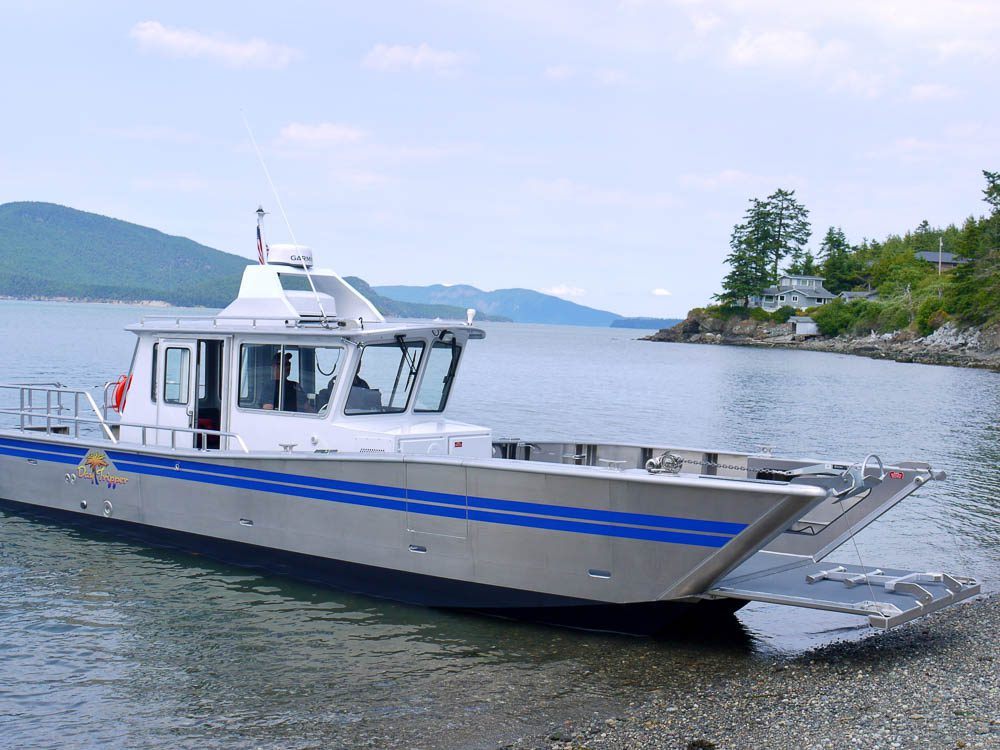
Modern dive support vessels are often customized to meet specific inspection requirements. Modular deck layouts, removable dive stations, and adaptable equipment mounts allow vessels to serve multiple roles across inspection, maintenance, and light construction tasks. This flexibility improves fleet utilization for marine contractors.
Vessels designed with inspection support in mind often integrate power systems, storage solutions, and access points that streamline inspection workflows while reducing setup time on site.
Supporting Long Term Asset Management
Underwater inspection data collected from vessel supported operations plays a vital role in long term asset management strategies. Accurate condition assessments allow owners to prioritize repairs, schedule maintenance, and allocate capital more effectively. Reliable inspection vessels help ensure consistent data quality across inspection cycles.
As marine infrastructure continues to age, the demand for efficient inspection platforms is expected to grow, reinforcing the importance of well designed support vessels within marine construction fleets.
Choosing the Right Support Vessel for Inspection Work
Selecting an appropriate dive and inspection support vessel depends on project scope, operating environment, and regulatory requirements. Factors such as hull material, deck configuration, draft, and maneuverability all influence vessel suitability. Many marine contractors look to proven aluminum workboat platforms designed for inspection and service roles to balance durability, performance, and operational efficiency.
Access to well equipped inspection vessels enhances safety, improves inspection accuracy, and supports proactive maintenance planning across marine piling systems. For contractors and facility owners, investing in capable inspection platforms remains a critical component of responsible marine infrastructure management.
What is the role of dive and inspection support vessels in marine piling inspections?
They provide stable platforms to safely deploy divers and equipment for evaluating underwater pile conditions.
What types of inspections can these vessels support?
They support diver visual inspections, non-destructive testing, and underwater survey operations.
