

Corrosion Resistance in Marine Rigging: Choosing the Right Wire Rope for Coastal Foundation Projects
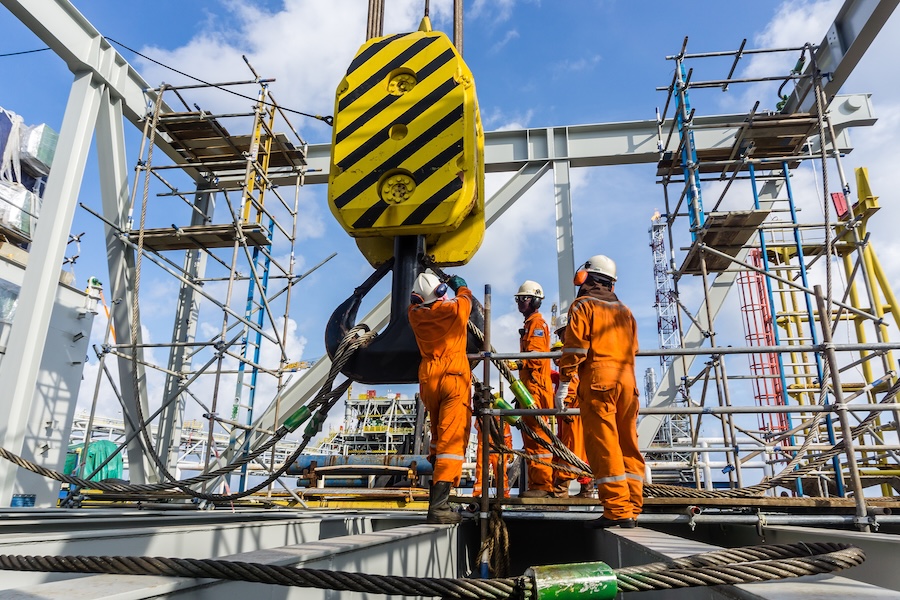
Marine and coastal foundation projects place extreme demands on rigging systems, particularly wire rope used for lifting, positioning, anchoring, and temporary structural support. Saltwater exposure, fluctuating tides, airborne chlorides, and constant moisture accelerate corrosion and material degradation far beyond what is typically seen in inland construction environments. Selecting the right wire rope is not only a matter of load capacity, but also long term durability, safety, and lifecycle cost. Understanding how corrosion affects wire rope performance is essential for engineers, contractors, and project managers working in coastal foundation construction.
Understanding Corrosion Risks in Coastal Environments
Corrosion is one of the most common causes of wire rope failure in marine applications. Coastal environments combine salt spray, humidity, oxygen, and temperature variation, creating ideal conditions for electrochemical corrosion. Chloride ions from seawater penetrate protective layers and attack the steel surface, leading to pitting, reduced cross sectional area, and loss of tensile strength over time. Even when wire rope appears visually intact, internal corrosion can progress within strands and core components.
In foundation projects involving cofferdams, pile driving, marine cranes, or temporary works, wire rope is often subjected to repeated wetting and drying cycles. These cycles accelerate corrosion by allowing salt to crystallize on the rope surface and then dissolve again, drawing moisture deeper into the strands. Proper material selection becomes critical in reducing maintenance frequency and preventing unexpected failures.
Common Wire Rope Materials Used in Marine Rigging
Carbon Steel Wire Rope Characteristics
Carbon steel wire rope remains widely used due to its high strength and cost effectiveness. However, untreated carbon steel has limited corrosion resistance in marine environments. Without protective coatings or regular maintenance, corrosion can begin quickly, particularly in splash zones and tidal areas. Carbon steel ropes are often selected for short term or controlled exposure applications where inspection and replacement cycles are well defined.
Galvanized Wire Rope Performance
Galvanized wire rope is one of the most common choices for coastal construction. The zinc coating provides sacrificial protection, corroding preferentially to the underlying steel. This process slows overall material loss and extends service life in saltwater environments. Galvanization is especially effective in applications with intermittent exposure, such as lifting operations or temporary rigging systems used during pile installation.
For contractors sourcing marine wire rope through a trusted wire rope supplier for coastal projects, galvanized options are often recommended when stainless steel is not required. Proper galvanization thickness and quality control are essential, as thin or damaged coatings can reduce effectiveness.
Stainless Steel Wire Rope Applications
Stainless steel wire rope offers superior corrosion resistance compared to carbon steel and galvanized alternatives. Grades such as 316 stainless steel contain molybdenum, which improves resistance to pitting corrosion caused by chlorides. Stainless wire rope is commonly used in permanent installations, mooring systems, and applications where long service life outweighs higher initial cost.
However, stainless steel wire rope typically has lower tensile strength than carbon steel equivalents of the same diameter. Engineers must balance corrosion resistance with load requirements when specifying stainless options for foundation work.
Wire Rope Construction and Its Impact on Corrosion
Strand Configuration and Water Ingress
Wire rope construction plays a significant role in corrosion behavior. Ropes with more numerous, smaller wires offer greater flexibility but also create more pathways for moisture and contaminants to enter the rope interior. Compacted strand and rotation resistant constructions may trap moisture if not properly lubricated and sealed.
In marine foundation projects, selecting a construction that balances flexibility, strength, and corrosion resistance is critical. Independent wire rope core designs often provide higher temperature resistance and strength, while fiber cores may retain moisture and accelerate internal corrosion if not adequately protected.
Lubrication and Protective Treatments
Factory applied lubricants and corrosion inhibitors help reduce friction and limit moisture penetration. In coastal environments, lubrication serves not only to reduce wear but also to create a barrier against saltwater ingress. Regular re lubrication during service is essential, especially for wire rope used in cranes, winches, and tensioning systems exposed to open marine conditions.
Inspection and Maintenance Considerations
Routine inspection is a key factor in managing corrosion related risks. Visual inspection should focus on surface rust, broken wires, and discoloration, while more detailed evaluations may involve magnetic flux leakage or internal inspection methods. Corrosion often progresses internally before external signs become apparent, particularly in ropes with dense strand configurations.
Maintenance schedules must account for environmental exposure, duty cycle, and criticality of the application. In coastal foundation projects, conservative replacement intervals are often justified due to the high consequences of rigging failure. Selecting wire rope designed for marine use can significantly reduce long term maintenance costs and downtime.
Standards and Guidelines for Marine Wire Rope Selection
International and industry standards provide guidance on wire rope selection and use in corrosive environments. Standards from organizations such as ISO, ASTM, and EN outline material properties, testing requirements, and performance expectations. Compliance with these standards helps ensure consistency and safety across marine construction projects.
Project specifications often require documentation of material grades, coating types, and minimum corrosion resistance levels. Working with experienced suppliers familiar with marine construction requirements can streamline compliance and reduce procurement risks.
Balancing Cost, Performance, and Service Life
While corrosion resistant wire rope typically carries a higher upfront cost, lifecycle cost analysis often favors materials designed for marine exposure. Reduced inspection frequency, longer replacement intervals, and lower risk of unplanned failures contribute to overall project efficiency. Contractors must consider not only material price, but also installation labor, downtime, and safety implications.
For long term coastal foundation projects, investing in higher quality wire rope can provide measurable operational benefits. Selecting appropriate materials and constructions early in the design phase allows for better integration with lifting equipment and structural systems.
Making Informed Choices for Coastal Foundation Work
Choosing the right wire rope for marine rigging requires a clear understanding of environmental exposure, load demands, and expected service life. Corrosion resistance is not a single attribute, but a combination of material selection, construction design, protective treatments, and maintenance practices. By evaluating these factors together, project teams can improve safety and reliability across marine foundation operations.
Partnering with an experienced marine wire rope distributor that understands coastal construction challenges can help ensure the selected rigging solutions meet both performance and durability requirements. As coastal infrastructure projects continue to expand, corrosion resistant wire rope will remain a critical component in achieving long term structural success.
Saltwater, moisture, and tidal cycles accelerate steel corrosion, reducing strength and service life.
Galvanized or stainless steel wire ropes are recommended for corrosion resistance and long-term durability. Why is corrosion a concern for wire rope in marine construction?
What types of wire rope are best for coastal foundation projects?
