


7 CFA Tips: Avoiding Common Pitfalls in Pile Integrity and Soil Stability
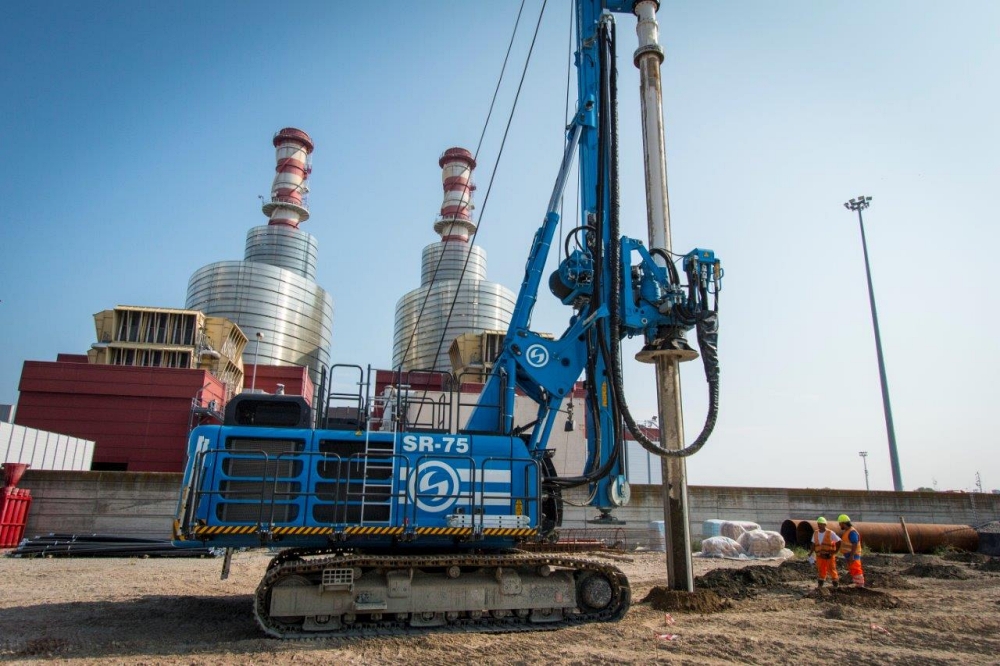
Continuous Flight Auger piling is widely used because it minimizes vibration, speeds installation, and performs well in a variety of soil conditions. However, CFA piles demand precise execution. Small mistakes during drilling, concrete placement, or monitoring can lead to integrity defects, reduced load capacity, or long term settlement issues. The following CFA tips focus on avoiding the most common pitfalls that affect pile integrity and soil stability, based on established industry practices and field experience.
Tip 1: Start With Accurate Soil Investigation
A reliable CFA pile begins with a clear understanding of subsurface conditions. Inadequate soil investigation is one of the leading causes of pile defects. Variations in soil strength, groundwater levels, and layering directly influence auger penetration and concrete placement. When these factors are poorly defined, unexpected resistance or soil collapse can occur during installation.
Geotechnical data should be detailed enough to support realistic pile design parameters. Proper interpretation of soil profiles helps determine suitable pile length, diameter, and reinforcement while reducing the risk of instability during drilling.
Tip 2: Match Equipment Capability to Ground Conditions
CFA installation requires drilling rigs capable of delivering consistent torque, crowd force, and pumping capacity. Equipment limitations can lead to uneven auger penetration or interruptions during concrete placement, increasing the risk of voids or inclusions.
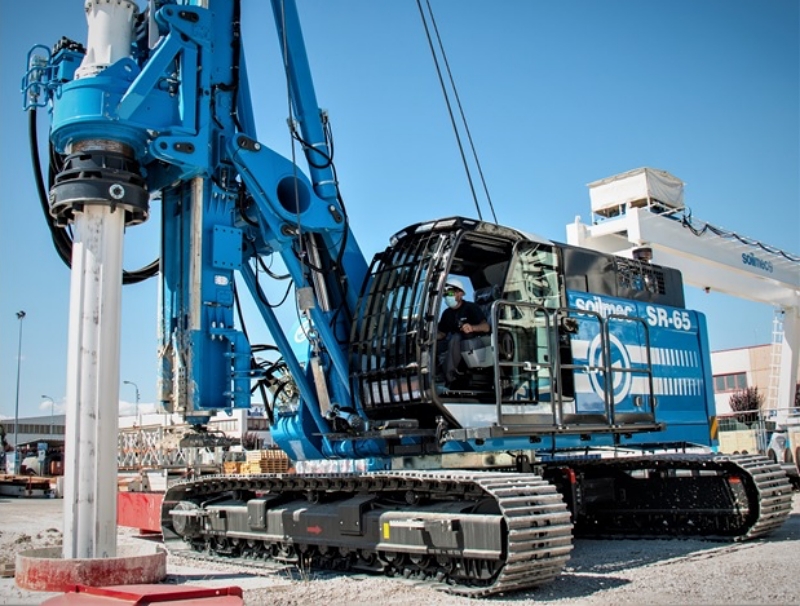
Using well matched piling equipment solutions allows operators to maintain steady drilling and controlled extraction even in variable soil conditions. Adequate rig performance supports better pressure control and more uniform pile geometry.
Tip 3: Maintain Continuous Concrete Pressure
One of the most critical CFA tips involves maintaining continuous concrete or grout pressure during auger withdrawal. If pressure drops, surrounding soil can intrude into the pile shaft, compromising integrity. Excessive pressure can also disturb surrounding soils and cause ground movement.
Proper coordination between auger extraction speed and pumping rate is essential. Monitoring systems that track concrete volume and pressure help ensure the pile remains fully supported throughout installation.
Tip 4: Control Auger Withdrawal Rate
Inconsistent auger withdrawal rates are a common source of pile defects. Rapid extraction may lead to incomplete concrete filling, while slow extraction can disturb borehole walls or increase friction along the pile shaft.
A steady withdrawal rate, adjusted carefully for changes in soil resistance, helps maintain uniform pile diameter and effective load transfer. Operators should rely on real time feedback rather than visual judgment alone to manage extraction speed.
Tip 5: Prepare Pile Heads Properly for Integrity Testing
Pile integrity testing is only as reliable as the preparation of the pile head. Debris, laitance, or uneven surfaces can distort stress wave signals during low strain testing, leading to misleading results.
Cleaning and leveling the pile head before testing improves signal clarity and supports accurate interpretation of potential defects. This step is often overlooked but plays a critical role in confirming pile continuity.
Tip 6: Interpret Test Results With Method Awareness
Low strain integrity testing is effective for identifying major anomalies such as voids or changes in cross section. However, it has limitations and may not detect minor defects or variations in concrete quality.
Engineers must understand how pile length, diameter, and soil conditions influence signal behavior. When results are unclear, additional evaluation methods may be required to confirm pile performance without unnecessary remediation.
Tip 7: Monitor Soil Stability During and After Installation
Soil stability around CFA piles depends on controlled displacement during installation and long term load behavior. Excessive soil movement can affect adjacent structures or lead to settlement issues over time.
Monitoring drilling parameters and reviewing installation data helps identify potential stability concerns early. Well executed CFA piles distribute loads efficiently when installation practices align with geotechnical assumptions and design intent.
Avoiding common CFA pitfalls requires disciplined execution at every stage of the piling process. Accurate soil investigation, appropriate equipment selection, controlled concrete placement, and informed testing all contribute to long term pile integrity and soil stability.
Loss of concrete pressure during auger withdrawal or improper soil management can create voids and weaken the pile.
By combining accurate soil investigation, matched equipment, controlled concrete pressure, and proper pile head preparation for testing. What causes reduced integrity in Continuous Flight Auger (CFA) piles?
How can contractors ensure reliable CFA pile installation?
