

Essential Guide to Saltwater-Resistant Timber: AWPA UC4B Retention Basics for Docks, Bulkheads, and Mats
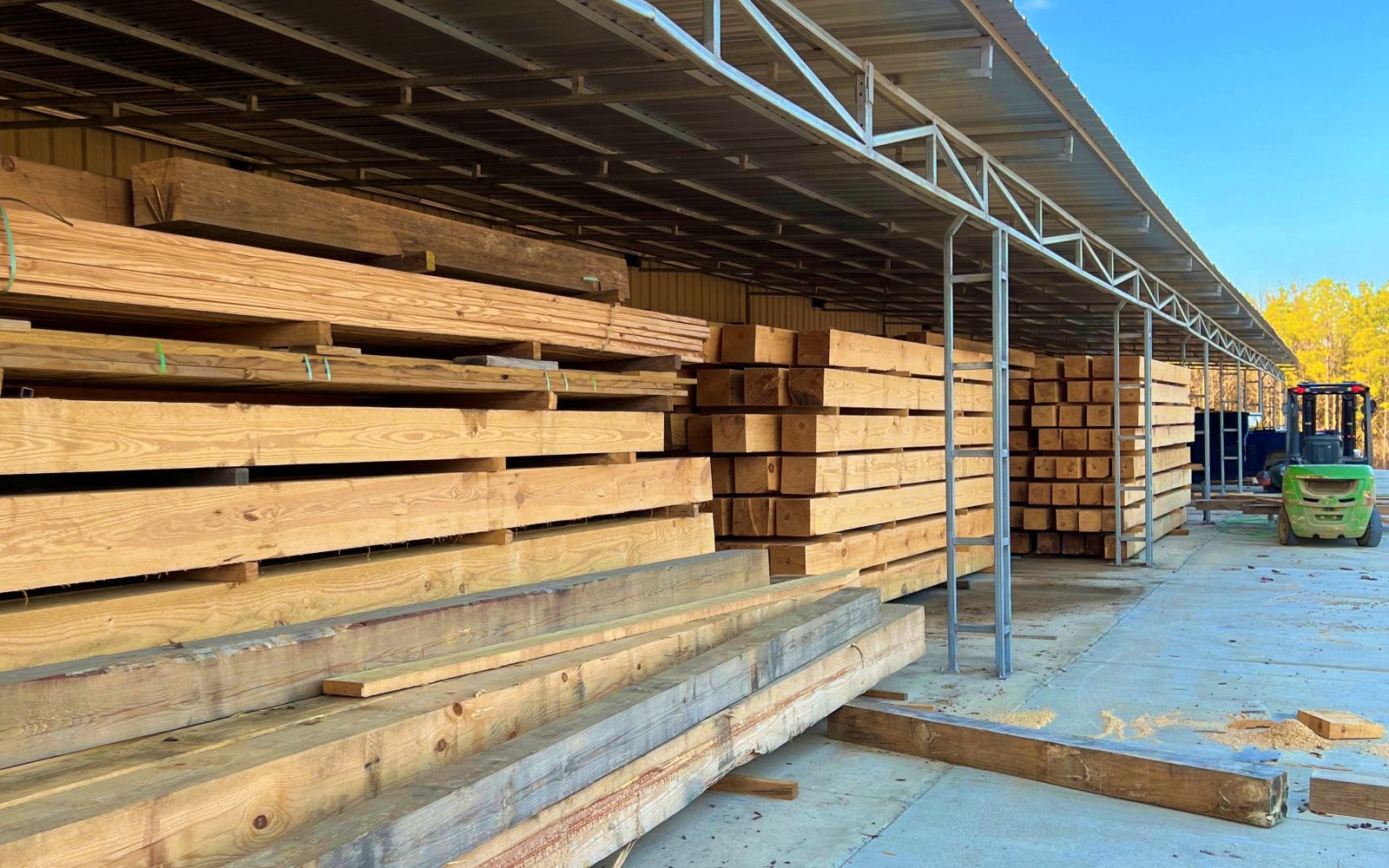
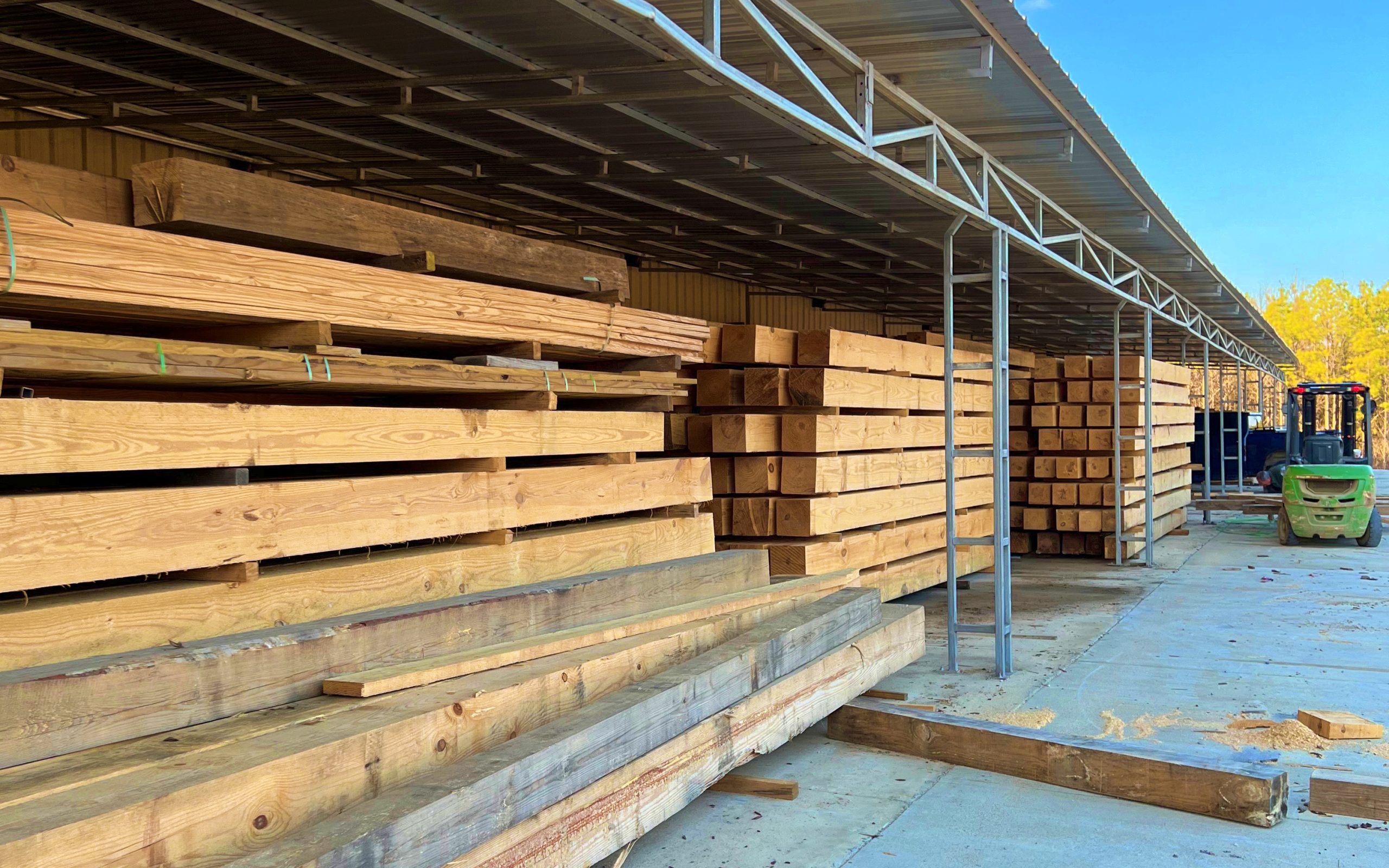
Saltwater construction places extreme demands on timber materials used in docks, bulkheads, and temporary access mats. Constant moisture, high salinity, biological activity, and cyclic wetting and drying accelerate decay and structural degradation when wood is not properly specified. For marine contractors and engineers, understanding how pressure-treated wood is classified and protected is essential for long-term performance and safety in coastal and tidal environments.
One of the most critical references for specifying treated wood in these conditions is the American Wood Protection Association Use Category system. Within that framework, UC4B-rated timber plays a central role in applications exposed to saltwater and severe decay hazards. Selecting the correct retention level and treatment standard directly impacts service life, inspection intervals, and replacement costs over the life of a marine structure.
What the AWPA Use Category System Defines
The AWPA Use Category system classifies treated wood based on the severity of exposure conditions and expected decay risk. Categories range from interior dry applications to heavy-duty ground and water contact. UC4B is defined as wood in ground or freshwater contact where there is a high decay hazard, including environments with persistent moisture and elevated biological activity.
Although UC4B is often discussed in the context of freshwater exposure, it is frequently specified for saltwater-adjacent applications when combined with appropriate preservatives and retention levels. Marine contractors sourcing pressure-treated lumber for docks, bulkheads, or crane mats often rely on marine-grade treated timber that meets or exceeds UC4B requirements to ensure durability in aggressive environments.
The AWPA standards establish minimum preservative retention levels for each use category. These retention values are measured in pounds of preservative per cubic foot of wood and are verified through quality control testing during treatment.
UC4B Retention Levels and Preservative Types
Retention level is the measurable quantity of preservative that remains in the wood after pressure treatment. For UC4B applications, AWPA standards require higher retention than UC4A due to increased exposure risk. Common preservatives used to meet UC4B specifications include copper-based systems such as ACQ and CA formulations, which are designed to resist fungal decay and insect attack.
In marine-adjacent environments, higher retention levels improve resistance to leaching and biological degradation caused by saltwater exposure. While UC5 categories are specifically designated for direct saltwater immersion, UC4B-rated material is widely used in splash zones, intertidal areas, and structural elements that experience repeated wetting without full submersion.
Contractors specifying pressure-treated lumber for marine construction should confirm both the use category and the retention level listed on the treatment certification. This documentation verifies compliance with AWPA standards and ensures the material is appropriate for its intended service conditions.
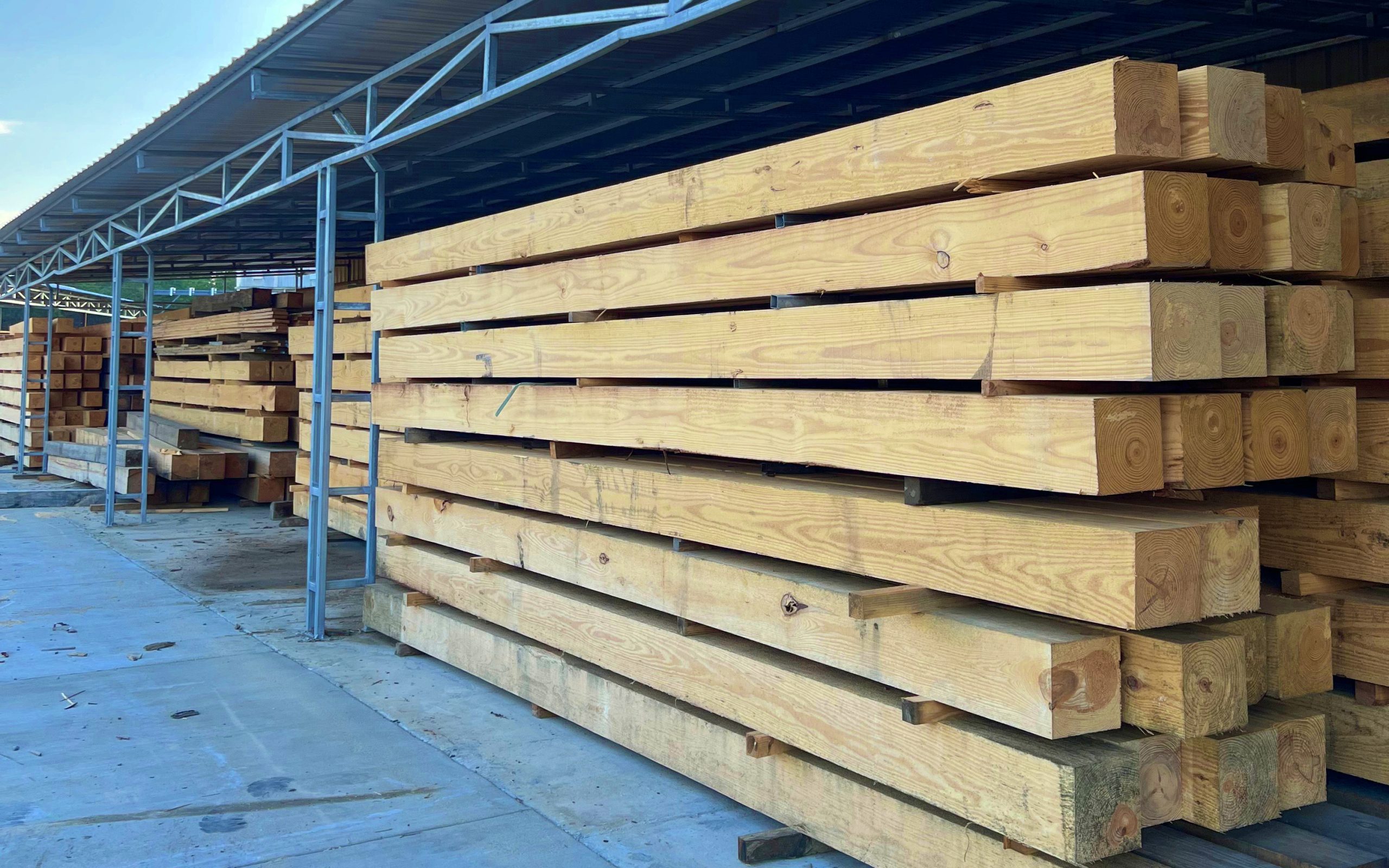
Saltwater Exposure and Timber Degradation Risks
Saltwater environments introduce additional degradation mechanisms beyond standard moisture exposure. Marine borers, salt crystallization, and accelerated corrosion of fasteners can compromise untreated or under-treated wood within a short time frame. Timber installed in docks and bulkheads is often subject to oxygen-rich conditions that promote fungal decay, particularly in tidal zones where wet and dry cycles occur daily.
UC4B-rated timber provides a higher level of preservative protection that slows decay and extends service life in these demanding conditions. While no treated wood is immune to marine borers, increased retention improves resistance and reduces the frequency of maintenance or replacement. Proper detailing, such as isolating wood from direct metal contact and allowing for drainage, further enhances performance.
Dock Construction Applications and UC4B Timber
Floating and fixed docks rely on treated timber for framing, decking support, and lateral bracing. These components are frequently exposed to splash zones and intermittent submersion, making UC4B a common minimum specification. The increased retention helps prevent internal decay that can weaken load-bearing members and create hidden failure points.
In dock construction, consistent material quality is critical. Variations in treatment penetration or retention can lead to uneven performance across a structure. Many contractors prefer working with suppliers that provide detailed treatment records and third-party inspection reports to ensure uniform compliance across all delivered lumber.
Bulkheads and Seawalls Using Treated Timber
Timber bulkheads and seawalls are subjected to continuous lateral soil pressure combined with water exposure. These structures often rely on vertical sheeting, deadmen, and wale systems constructed from pressure-treated wood. UC4B-rated timber is commonly specified for these components due to its enhanced resistance to decay in saturated soil conditions.
In bulkhead applications, failure often begins below the waterline where inspection is difficult. Using timber that meets UC4B retention standards reduces the risk of premature degradation in these concealed zones. Designers must also account for fastener compatibility, as copper-based preservatives can accelerate corrosion in unprotected steel hardware.
Temporary Access Mats in Marine and Coastal Sites
Construction mats used in marine and coastal environments experience extreme wear from heavy equipment, standing water, and abrasive sediments. Mats fabricated from UC4B-treated timber offer improved resistance to rot and moisture-related strength loss compared to lower-rated materials.
Access mats placed near shorelines or tidal flats are frequently relocated and reused across multiple projects. Higher retention levels extend usable life and reduce the likelihood of internal decay that can lead to sudden structural failure under load. Contractors sourcing heavy-duty timber mats often prioritize UC4B compliance to balance durability with cost efficiency.
Inspection, Handling, and Installation Considerations
Proper handling and installation are essential to preserve the benefits of UC4B treatment. Cutting, drilling, or notching treated timber exposes untreated interior wood that must be field-treated with an approved preservative to maintain compliance. Failure to do so can create localized decay points that undermine overall performance.
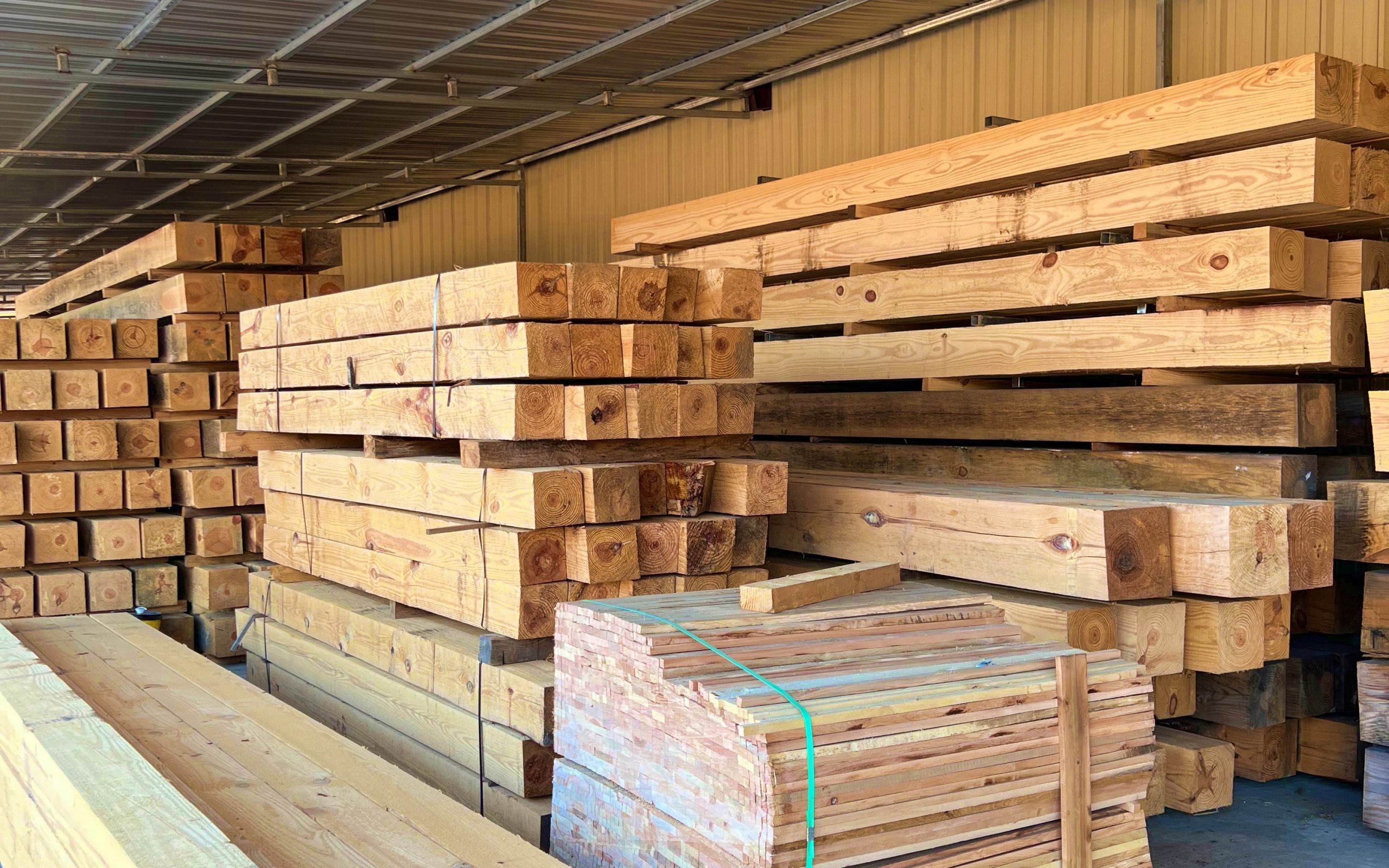
Storage practices also affect longevity. Treated timber should be stored off the ground with adequate airflow to prevent moisture entrapment before installation. During construction, minimizing damage to treated surfaces helps maintain the integrity of the preservative barrier.
Long-Term Performance and Lifecycle Cost Benefits
While UC4B-treated timber typically carries a higher upfront cost than lower-rated alternatives, lifecycle cost analysis often favors higher retention materials in marine environments. Extended service life, reduced maintenance, and fewer unplanned replacements translate into lower total ownership costs over time.
For docks, bulkheads, and mats exposed to saltwater conditions, specifying UC4B-rated timber provides a practical balance between performance and availability. When combined with proper design, installation, and inspection practices, it supports safer operations and longer-lasting marine infrastructure.
As marine construction standards continue to evolve, contractors and engineers increasingly rely on treated timber solutions for coastal construction that meet recognized industry specifications. Understanding AWPA UC4B retention basics allows project teams to make informed material decisions that align with performance expectations and regulatory requirements.
What is UC4B-rated lumber used for in marine construction?
It is used for docks, bulkheads, and access mats exposed to high moisture and decay risk.
Why is proper preservative retention important for UC4B timber?
Higher retention slows rot and biological degradation, extending service life in saltwater or splash zone conditions.
