

Overcoming Soft Soils: Amphibious Machines in Waterfront Piling Access
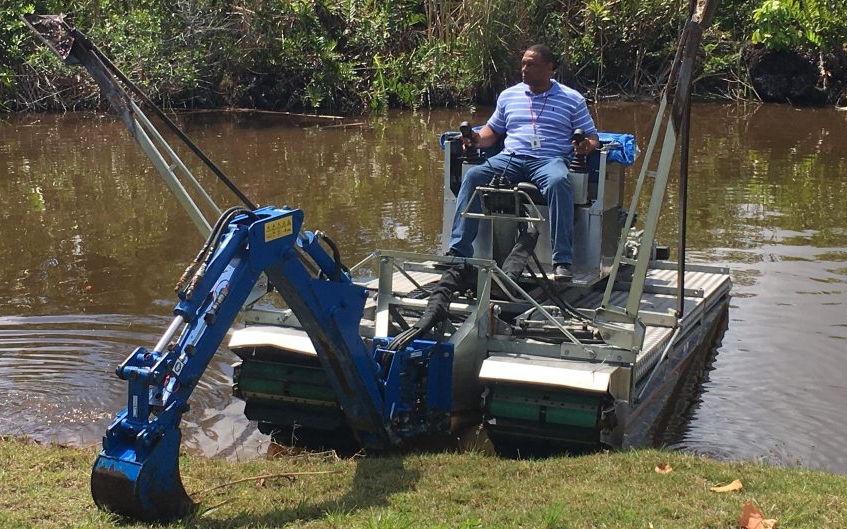
Construction in waterfront environments often confronts engineers with the daunting task of accessing soft soils and unstable terrain. Traditional foundations and heavy equipment struggle when ground conditions are saturated or the soil lacks sufficient bearing capacity. These difficulties are most acute when installing piles, supporting docks, or deepening shallow channels. In recent years, many civil construction professionals have turned to amphibious machines for improved access and performance in these challenging settings, especially on projects where conventional land or water based methods fall short. One of the core strengths of amphibious equipment is the ability to operate seamlessly between land and water, maintaining stability where traditional engines might sink or require costly temporary roadways.
The Challenge Of Soft Soils Near Water
Understanding Waterfront Subsurface Conditions
Soft soils near shorelines, estuaries, and riverbanks present unique geotechnical challenges. These zones are typically composed of silt, clay, peat, or unconsolidated sediments that absorb water and have very low shear strength. Conventional heavy equipment such as cranes and tracked excavators are designed to operate on firm ground and require stable platforms to exert downward force without risking sinking or overturning. When faced with saturated terrain and soft soil profiles, these machines often need supplementary support like timber mats, steel plates, or even floating barges just to reach the work area. Despite such measures, they still struggle to maintain stability, especially during piling operations that involve repetitive downward force to embed piles into ground resistant layers. This combination of poor soil strength and variable water levels complicates both mobility and safety for conventional equipment.
Why Traditional Approaches Fall Short
Standard approaches to provide access in soft soils may involve heavy site preparation work such as dewatering, soil stabilization, or installing temporary road networks. These techniques require labor, time, and financial resources that escalate project costs. Creating temporary platforms or land bridges also disturbs the environment, which can trigger regulatory compliance issues when working along sensitive ecosystems. Some projects resort to barges or floating cranes, but these systems also entail logistical challenges, depend on suitable water depth, and are constrained by tides and currents. These limitations have driven innovation in alternative machine designs that can handle unstable and saturated ground conditions with less support.
Amphibious Machines And Their Engineering
How Amphibious Equipment Works
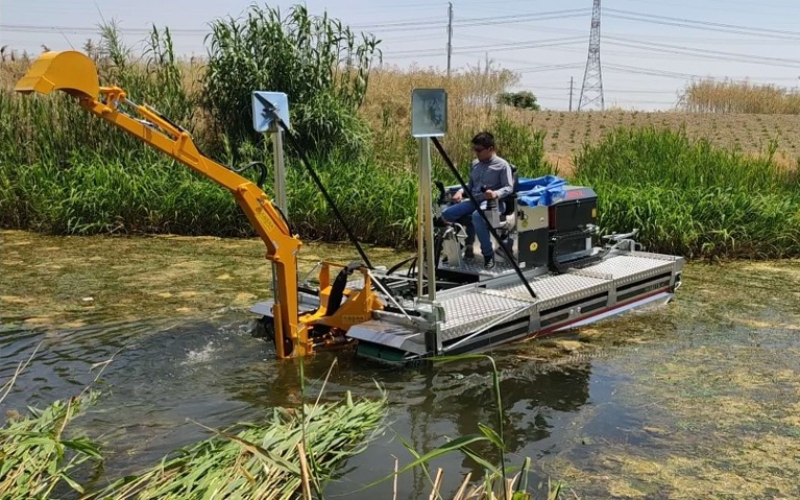
Amphibious machines are uniquely engineered for environments that transition between land and water. These machines typically incorporate large buoyant pontoons or specialized undercarriage systems that drastically lower ground pressure. Their design allows them to float in shallow waters and remain stable on soft soils without extensive site preparation. According to engineers, the low ground pressure provided by these flotation systems helps prevent the machine from sinking into mud or wetland soils, allowing access to locations unreachable by standard heavy equipment. Besides flotation, many amphibious units are compatible with a wide variety of attachments, including excavator booms and dredging pumps, making them versatile tools for tasks ranging from vegetation clearing to sediment removal. This adaptability makes amphibious machines a valuable asset in both civil construction and environmental management projects.
Engineering Advantages For Waterfront Construction
The primary engineering benefit of amphibious machines is their ability to maintain operational stability across varying ground conditions. Traditional excavators or piling rigs rely on friction and track or wheel contact with firm ground to provide resistance for digging or pile driving. In contrast, amphibious machines benefit from flotation and even weight distribution that keep them balanced on soft soils and shallow water. Their wide tracks or pontoon base distributes machine weight over a larger area, effectively reducing pressure at the ground interface. This means they deviate less into marl, muck, or saturated ground, allowing operators to conduct tasks directly in challenging environments without building expensive access routes.
Amphibious Machines In Piling Access
Supporting Pile Driving In Soft Soils
Successful pile installation in waterfront construction depends on being able to mobilize machinery close enough to the work zone without destabilizing the soil. Pile drivers are heavy tools used to drive piles into soil to create load bearing foundations. When integrated with amphibious carriers or excavators, these devices can be positioned in soft terrain and shallow water with far greater confidence than when relying on temporary platforms. The amphibious base supports the weight of the pile driving rig while enabling the operator to maintain precise positioning. This integrated system reduces the need for expensive support structures such as barges or heavy matting, cutting down on mobilization time and costs. In areas where soils are extremely weak, amphibious engineering can be the difference between completing a project on schedule and facing extended delays due to equipment getting stuck.
Enhancing Stability And Precision
Another key benefit of amphibious machines in piling access is their inherent stability. Soft soils near waterfronts often behave unpredictably, yet these machines remain stable due to their flotation design. Enhanced stability helps operators achieve more accurate pile placements, which is critical for structural integrity. Improved precision during pile driving translates to better load distribution, fewer adjustments, and lower rework. This efficiency advantage also reduces vibration and disturbance to surrounding environments, making amphibious solutions attractive for projects near sensitive ecological zones.
Environmental Considerations
Working With Minimal Ecological Impact
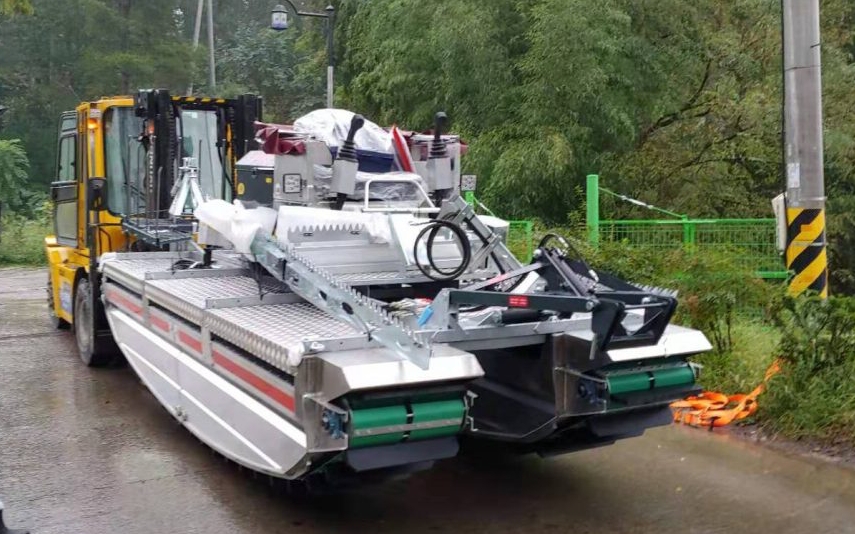
Environmental protection is a strong consideration when working in wetlands and other sensitive habitats. Traditional construction methods often disrupt soil and water systems, leading to erosion, sedimentation, and habitat damage. Amphibious machines mitigate many of those issues by minimising disturbance. Their low ground pressure prevents deep ruts and soil compaction that can damage plant life and disrupt aquatic systems. Many modern amphibious units operate with precision controls that allow operators to perform dredging or piling with limited dispersion of sediments. In wetland restoration and waterway management projects, this precision supports efforts to protect wildlife and meet regulatory requirements.
Integrating Water Management With Construction
The ability of amphibious machines to perform multiple functions such as dredging, access, and piling means that projects can be executed with fewer separate mobilisations. For example, these machines can clear sediment buildup and then proceed to drive piles or install structural elements without relocating equipment. This integrated approach helps preserve water flow and reduces the number of heavy machinery movements across sensitive ground. Such practices are both efficient and reflect growing industry expectations for environmentally aware construction practices.
The Future Of Waterfront Piling Solutions
As civil engineering and construction demands evolve, the role of amphibious machines in waterfront piling access is expanding. Advancements in flotation technology, control systems, and attachments have broadened the range of tasks these machines can perform. Contractors now rely on amphibious platforms not only for access and mobility but also for doing core construction work in environments that were once considered too difficult. With ongoing development, these machines are becoming more efficient, sustainable, and adaptable, offering compelling alternatives to traditional solutions in soft soil environments.
In conclusion, overcoming the challenges posed by soft soils in waterfront piling access requires both innovation and adaptability. Amphibious machines provide construction professionals with the mobility and stability needed to work in these tough conditions without compromising efficiency or environmental stewardship. Whether it is installing deep foundations, managing sediment, or accessing remote wetland sites, the integration of amphibious technology represents a step forward in how complex waterfront construction can be approached.
They operate on soft, saturated soils without sinking, providing stable access where conventional equipment cannot.
They maintain stability and precise positioning, reducing the need for temporary support structures and rework. Why are amphibious machines used in waterfront construction?
How do amphibious machines benefit pile driving in soft soils?
