



The Role of Rigging Hardware in Preventing Load Rotation and Twist
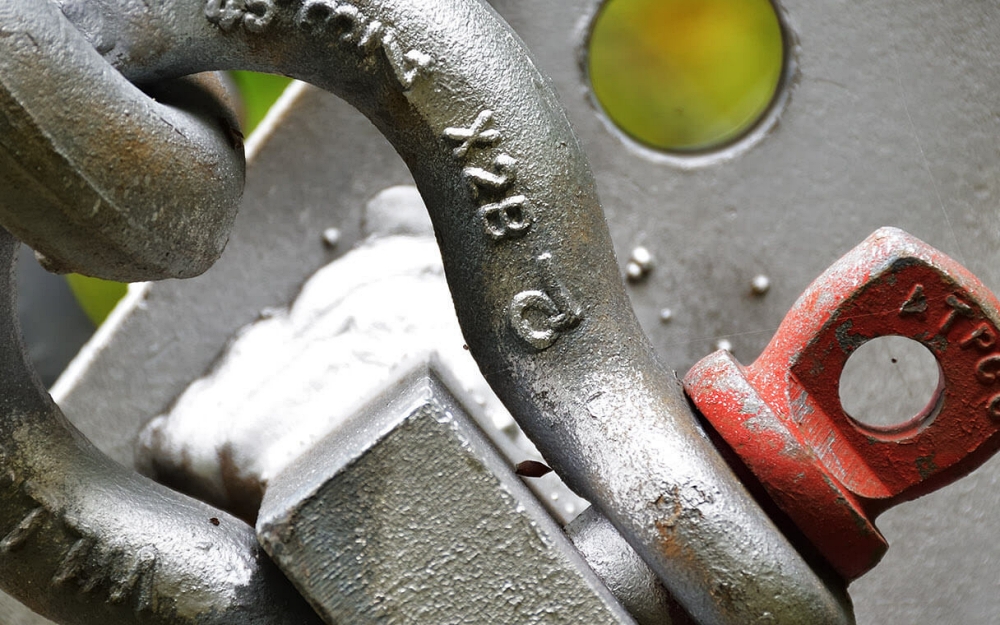
Load rotation and uncontrolled twist are common challenges in marine and heavy civil lifting operations. Even when crane capacity, rigging strength, and lift planning appear adequate, unexpected rotation can introduce instability, increase stress on connection points, and create safety risks for crews working near or over water. These issues are often blamed on crane movement or wind conditions, but in many cases, the root cause is found below the hook. Rigging hardware selection and connection geometry play a critical role in how loads behave once they leave the ground.
Understanding how rotation develops and how rigging hardware influences load behavior helps contractors reduce risk, improve control, and avoid costly mid lift adjustments.
Understanding Load Rotation in Marine Lifts
Load rotation occurs when a suspended load begins to spin or twist around its vertical axis. This can happen gradually or suddenly depending on load shape, center of gravity, and environmental conditions. In marine construction, rotation risks are amplified by wind exposure, vessel motion, and limited control zones.
Irregular loads such as precast components, steel assemblies, fender panels, and fabricated frames are especially susceptible. When the center of gravity does not align cleanly with the lifting point, even small imbalances can introduce torsional forces that cause rotation once the load is airborne. Over water, these movements are harder to correct because tag line effectiveness is reduced and working clearances are limited.
Why Rotation Creates Safety and Installation Risks
Uncontrolled rotation affects more than just load alignment. Rotating loads place uneven forces on rigging components, which can increase wear and reduce safety margins. Twisting can also cause slings to shift, hooks to side load, and connection points to experience stresses they were not designed to carry.
In marine environments, rotation can delay placement, increase time spent under suspended loads, and expose workers to additional hazards. It also increases the likelihood of load contact with piles, decks, or vessels, which can damage both the structure and the rigging system.
How Rigging Hardware Influences Load Behavior
Rigging hardware determines how forces are transferred between the load and the crane. The geometry, orientation, and compatibility of hardware components directly influence whether a load remains stable or begins to rotate.
Connection points that restrict movement can trap torsional energy within the rigging system. When that energy releases, the load may rotate suddenly. Conversely, hardware that allows controlled movement can help dissipate torsional forces before they translate into visible rotation.
Proper hardware selection is not just about capacity ratings. It involves understanding how different components interact under real world lifting conditions, especially when loads are lifted in complex or exposed environments.
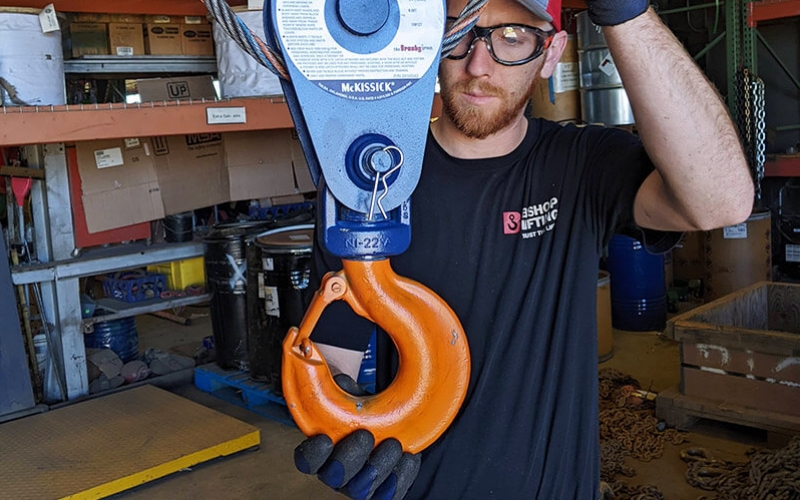
Hardware Choices That Affect Rotation Control
The Function of Swivels and Rotational Freedom
Swivels are designed to allow rotation within a controlled connection point. When used appropriately, they can prevent torsional forces from transferring into slings, hooks, or lifting points. In lifts where rotation is unavoidable due to load geometry or environmental conditions, swivels can help isolate twisting forces and reduce stress on other components.
Without rotational freedom, torsion can accumulate along the rigging path. This often results in sudden rotation once friction is overcome, which is far more difficult to control than gradual movement.
Hoist Rings and Load Alignment
Hoist rings are engineered to pivot and rotate to align with the direction of the applied load. Unlike fixed lifting points, they adapt to changing load angles during the lift. This alignment reduces side loading and minimizes the potential for induced rotation.
In marine lifts where crane position, boom angle, or barge movement may change slightly during hoisting, self aligning lifting points help maintain consistent load orientation and reduce unexpected twist.
Master Links and Connection Geometry
Master links act as central connection hubs in multi leg rigging systems. Their size, shape, and orientation influence how forces are distributed among slings. Poorly matched master links can create uneven load paths, which increases the likelihood of rotation as the system seeks equilibrium.
When connection geometry forces slings to pull at inconsistent angles, torsional forces develop naturally. Correctly sized and oriented master links help balance these forces and support stable lifting behavior.
Planning Rigging Systems to Reduce Twist
Load Path Awareness During Lift Design
Understanding the load path is essential when designing rigging systems for marine lifts. The load path describes how forces travel from the load, through the rigging hardware, and into the crane. Interruptions or misalignments along this path often lead to rotation.
By evaluating how each hardware component contributes to the load path, engineers and rigging crews can identify potential sources of torsion before the lift begins. This planning process is especially important when working with asymmetrical loads or limited lift points.
Environmental Factors That Influence Rotation
Wind, wave action, and vessel movement introduce dynamic forces that interact with rigging systems. Even well balanced loads can begin to rotate when exposed to these external influences. Hardware that allows controlled movement can accommodate these forces more effectively than rigid connections.
In coastal and offshore environments, rotation control should be considered a fundamental part of rigging design rather than a secondary concern addressed during execution.
Inspection and Compatibility Considerations
Rigging hardware must not only be properly selected but also properly maintained. Worn pins, deformed links, or seized swivels reduce rotational control and increase the risk of unexpected movement. Compatibility between components is equally important. Mismatched sizes or incompatible connection types can restrict movement and amplify torsional forces.
Routine inspection ensures that hardware performs as intended when subjected to the complex loading conditions common in marine construction.
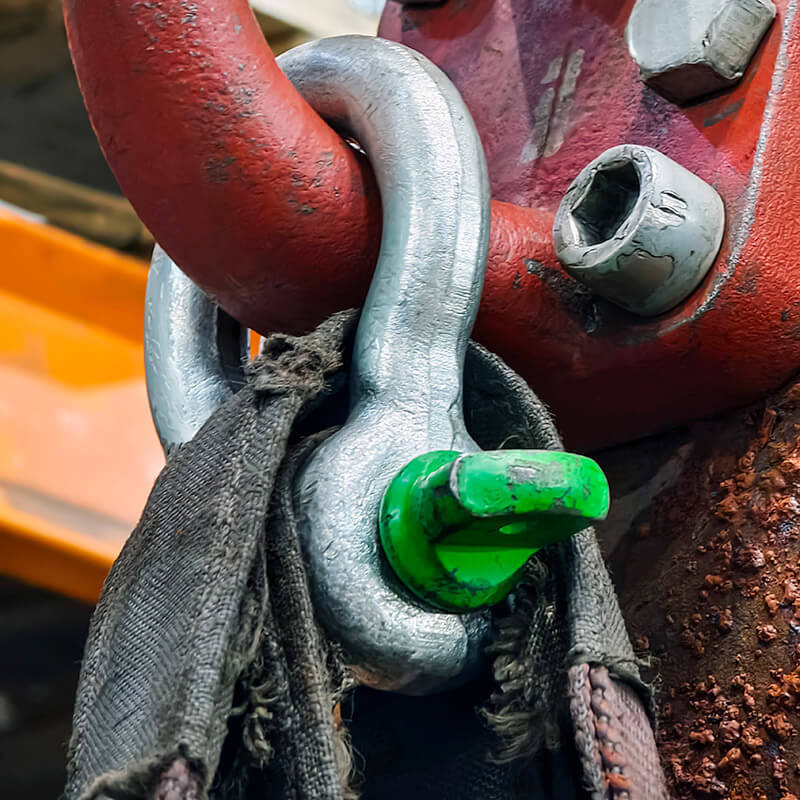
Improving Stability Through Hardware Selection
Effective rotation control often comes down to choosing the right combination of hardware rather than relying on a single component. Systems that incorporate aligned lifting points, balanced connections, and appropriate rotational freedom tend to behave more predictably during lifts.
Understanding how load rotation control is achieved through thoughtful hardware selection helps contractors improve safety and efficiency. Similarly, selecting appropriate rigging hardware for lifting applications ensures that below the hook systems support stable load behavior from lift off to final placement.
Why Hardware Decisions Matter More Than Ever
As marine construction projects grow more complex, the margin for error during lifting operations continues to shrink. Larger prefabricated components, tighter installation tolerances, and more congested job sites place greater demands on rigging systems.
Preventing load rotation and twist is not solely a crane operation challenge. It is a rigging hardware issue that begins during planning and continues through execution. By focusing on connection geometry, component compatibility, and rotational behavior, contractors can significantly reduce lift related risks and improve overall jobsite control.
What causes load rotation during marine lifting operations?
Load rotation typically occurs when the center of gravity is misaligned with the lifting connection, allowing torsional forces—often amplified by wind and vessel movement—to cause the suspended load to twist.
How can rigging hardware help reduce uncontrolled load rotation?
Properly selected hardware such as swivels, hoist rings, and correctly sized master links can improve load alignment, allow controlled rotational freedom, and dissipate torsional forces before they create instability.
