


Tips for Hiring a Dredging Contractor
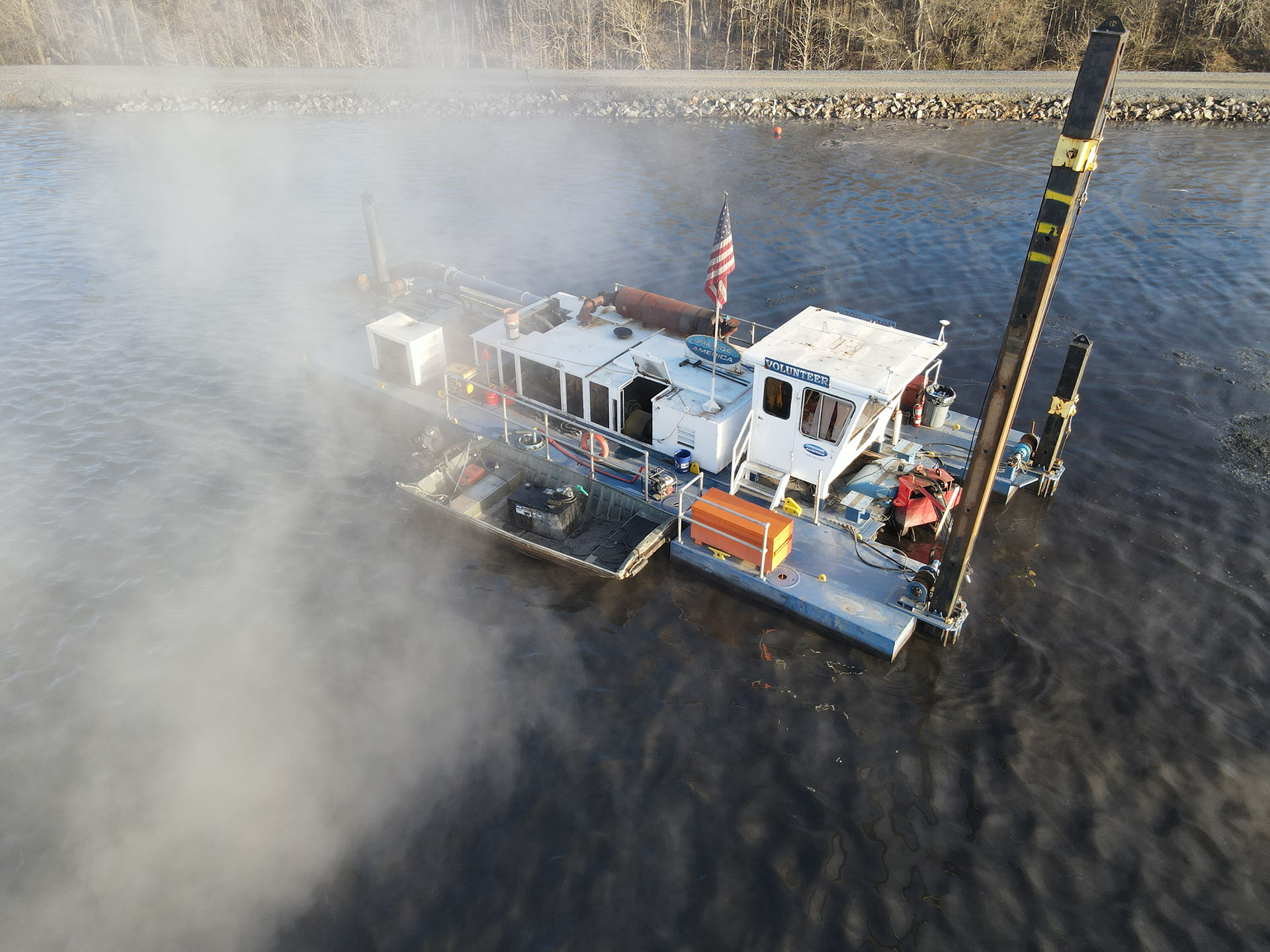
Dredging projects carry enough risk without adding contractor headaches to the mix. Between permit delays, unforeseen subsurface conditions, and disposal logistics that can turn a straightforward job into a budget disaster, the contractor you choose directly impacts whether your waterway restoration stays on schedule or turns into a costly nightmare. Whether you need sediment removed from a silted marina basin, navigation channels deepened for commercial traffic, or contaminated material remediated from an industrial lagoon, finding the right dredging contractor separates projects that finish clean from those that drag on for months with change orders piling up faster than spoil in a disposal area.
Verify Equipment Match to Project Conditions
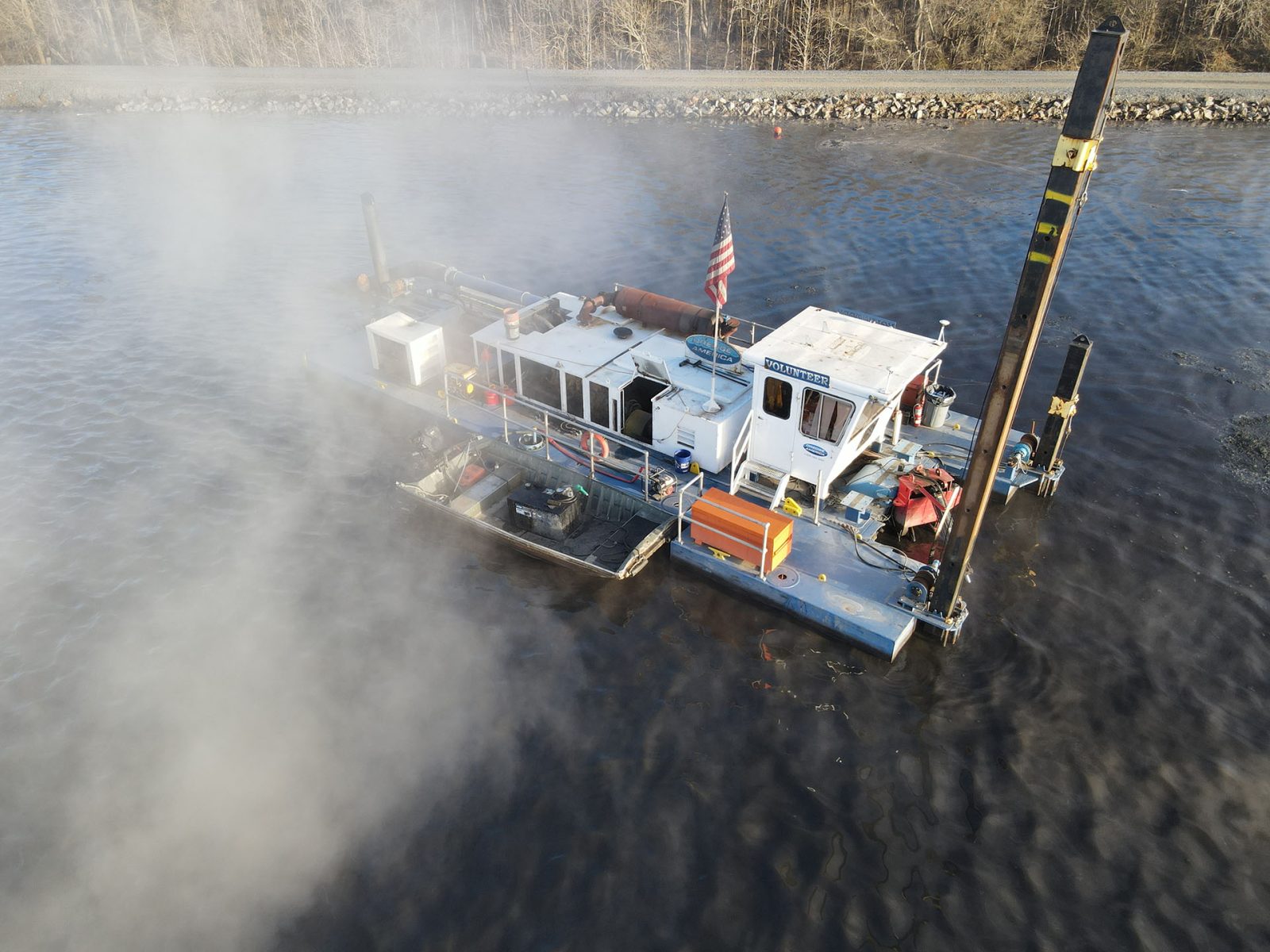
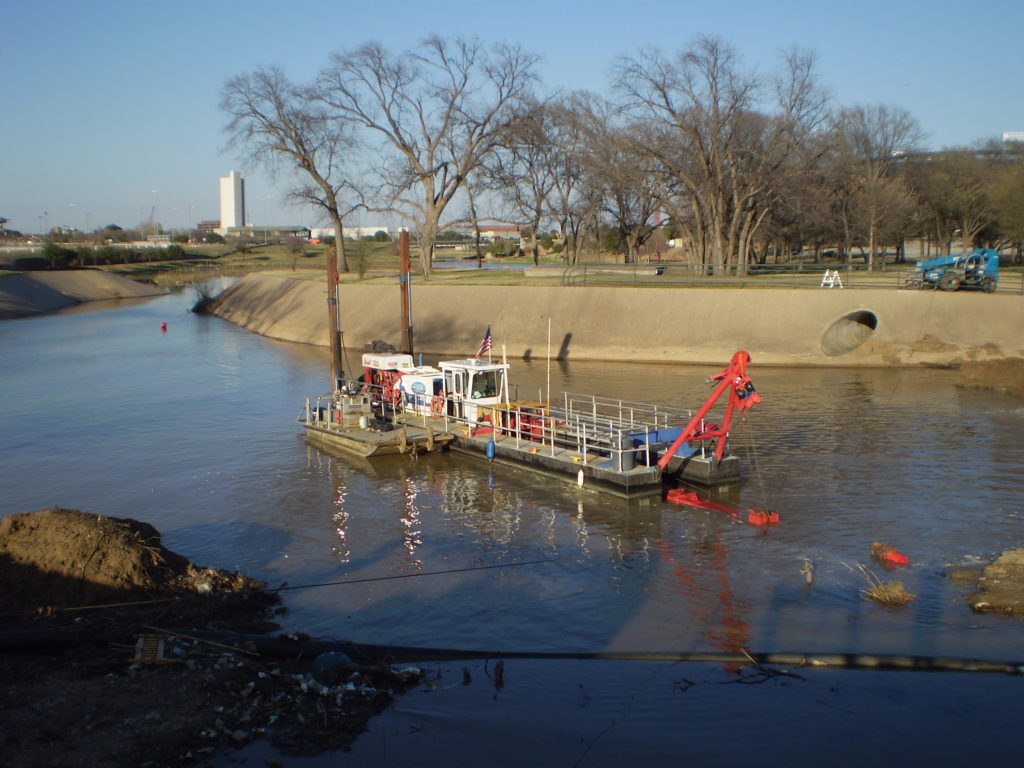
The first question worth asking is whether the contractor’s fleet can actually handle your specific site conditions. A trailing suction hopper dredger built for open ocean channel maintenance will accomplish exactly nothing in a 12-foot-deep farm pond, and a mechanical clamshell setup designed for pier demolition lacks the precision required for environmental remediation work where contamination plumes demand surgical accuracy. Contractors specializing in portable hydraulic dredging systems offer distinct advantages for inland waterways, lakes, and confined industrial basins where traditional large-scale equipment cannot access or operate efficiently. These systems use centrifugal pumps to create slurry mixtures that transport sediment through pipelines to distant disposal sites, often reaching thousands of feet from the dredge location without the need for hopper barges or constant vessel repositioning.
Project depth plays a critical role in equipment selection. Most portable hydraulic dredges operate effectively between 15 and 25 feet below the water surface, though some configurations extend deeper with specialized pump systems. Standard mechanical dredges including backhoes and excavators typically reach 20 to 30 feet, while long-reach excavators can dig up to 60 feet in favorable conditions. However, depth alone does not determine the right tool. Sediment type matters just as much. Hydraulic systems excel with fine materials like silt, sand, and soft clay that suspend easily in water, making them ideal for maintenance dredging in recreational lakes and stormwater retention ponds. Compacted clay, gravel, or rocky substrates often require mechanical excavation methods with bucket or grab systems that physically break and lift material rather than relying on suction forces.
Ask potential contractors to explain their equipment selection process for your specific sediment profile and water depth. Legitimate firms will reference geotechnical boring data, discuss pump horsepower requirements for the anticipated material density, and identify pipeline diameter needs based on conveyance distance. If a contractor cannot articulate why their cutter suction dredge with a 12-inch discharge line makes sense for your project versus an 8-inch plain suction system, keep looking.
Evaluate Track Record in Similar Project Types
Past performance on comparable projects reveals more about contractor capability than any sales pitch ever will. Request a portfolio showing completed jobs with similar scope, sediment conditions, and regulatory environments. Marina dredging requires different expertise than coal ash pond remediation or navigation channel deepening. A contractor experienced in environmental dredging understands contaminated sediment handling protocols, dewatering requirements for hazardous materials, and the monitoring systems necessary to prevent contaminant migration during excavation. These skills do not transfer automatically from contractors who primarily move clean sand for beach nourishment projects.
Verify completion records rather than relying solely on contractor claims. Contact previous clients directly and ask specific questions about adherence to dredging depth specifications, contamination control effectiveness, disposal site management, and how the contractor handled unexpected subsurface obstructions or material density variations. Projects rarely proceed exactly as planned, so learning how a contractor responds when conditions differ from the geotechnical report provides valuable insight. Did they propose practical solutions or immediately reach for change order paperwork?
Look for contractors with regional familiarity. Local firms understand permit requirements specific to your state regulatory agencies, maintain relationships with approved disposal facilities within economical transport distances, and know which soil testing laboratories provide the fastest turnaround for contamination analysis when disposal classification becomes necessary. A contractor operating three states away may offer a lower initial bid but hidden costs emerge quickly when permit delays stretch mobilization timelines or approved disposal sites lie 200 miles farther than anticipated.
Examine Safety Culture and Regulatory Compliance
Dredging operations present serious safety hazards including vessel stability risks, crane operation near power lines, hydrogen sulfide exposure in anaerobic sediments, and confined space entry during equipment maintenance. Request the contractor’s Experience Modification Rate, which reflects their workers compensation claim history relative to industry averages. An EMR above 1.0 indicates worse-than-average safety performance and should raise immediate concerns. Ask for their OSHA 300 logs from the past three years showing recordable injuries and lost-time incidents. Contractors serious about safety will provide this documentation without hesitation.
Verify that the contractor maintains appropriate insurance coverage including Protection and Indemnity coverage for marine operations, Jones Act coverage if applicable, and pollution liability insurance adequate to your project contamination risks. Standard commercial general liability policies often exclude marine work and pollution incidents, leaving project owners exposed if spills occur during dredging operations. Confirm coverage limits match your contract requirements and request certificates of insurance naming your organization as an additional insured party.
Environmental compliance extends beyond insurance. Contractors must demonstrate familiarity with Section 404 permits from the Army Corps of Engineers for work in waters of the United States, state water quality certifications, and local shoreline management regulations. Ask how they monitor turbidity during active dredging to prevent sediment plumes from exceeding permit limits. Reputable firms deploy real-time turbidity meters at compliance points and adjust dredging intensity or implement silt curtains when readings approach maximum allowable levels. Contractors who cannot explain their turbidity monitoring protocols or who dismiss these concerns as paperwork formalities will eventually cause permit violations that halt your project.
Understand Disposal Planning and Dewatering Methods
Dredged material disposal often consumes more project budget than the actual excavation work, yet many contractors treat it as an afterthought during bidding. Demand detailed disposal plans showing haul routes, approved facility locations, estimated transport costs, and contingency options if primary disposal sites reach capacity or refuse loads due to contamination levels. Disposal costs vary dramatically based on material classification. Clean material suitable for beneficial reuse may cost substantially less to transport and place compared to sediments requiring specialized treatment and lined landfill disposal after dewatering, testing, and specialized hauling.
Hydraulic dredging produces slurry containing significantly more water than solids. This material requires dewatering before final disposal unless pipeline discharge directly into designated confined disposal facilities with sufficient capacity and return water management systems. Ask contractors to explain their dewatering approach. Geotextile tubes offer effective solutions for smaller projects, allowing water to drain through fabric while retaining solids, but require significant laydown area and time for adequate drainage. Mechanical dewatering using filter presses or centrifuges accelerates the process but adds equipment mobilization costs. Some contractors attempt to reduce dewatering expenses by allowing material to gravity drain in temporary berms, which works acceptably for clean sediments but risks groundwater contamination if material contains elevated metals or organic pollutants.
Contractors should present clear volume estimates distinguishing between in-situ material quantities and post-dredging slurry volumes. A project requiring removal of a specific volume of consolidated clay will generate substantially more volume of wet slurry after hydraulic excavation. Understanding these volume conversions prevents disposal cost surprises when trucking bills arrive showing more loads than initially anticipated.
Review Project Management and Communication Systems
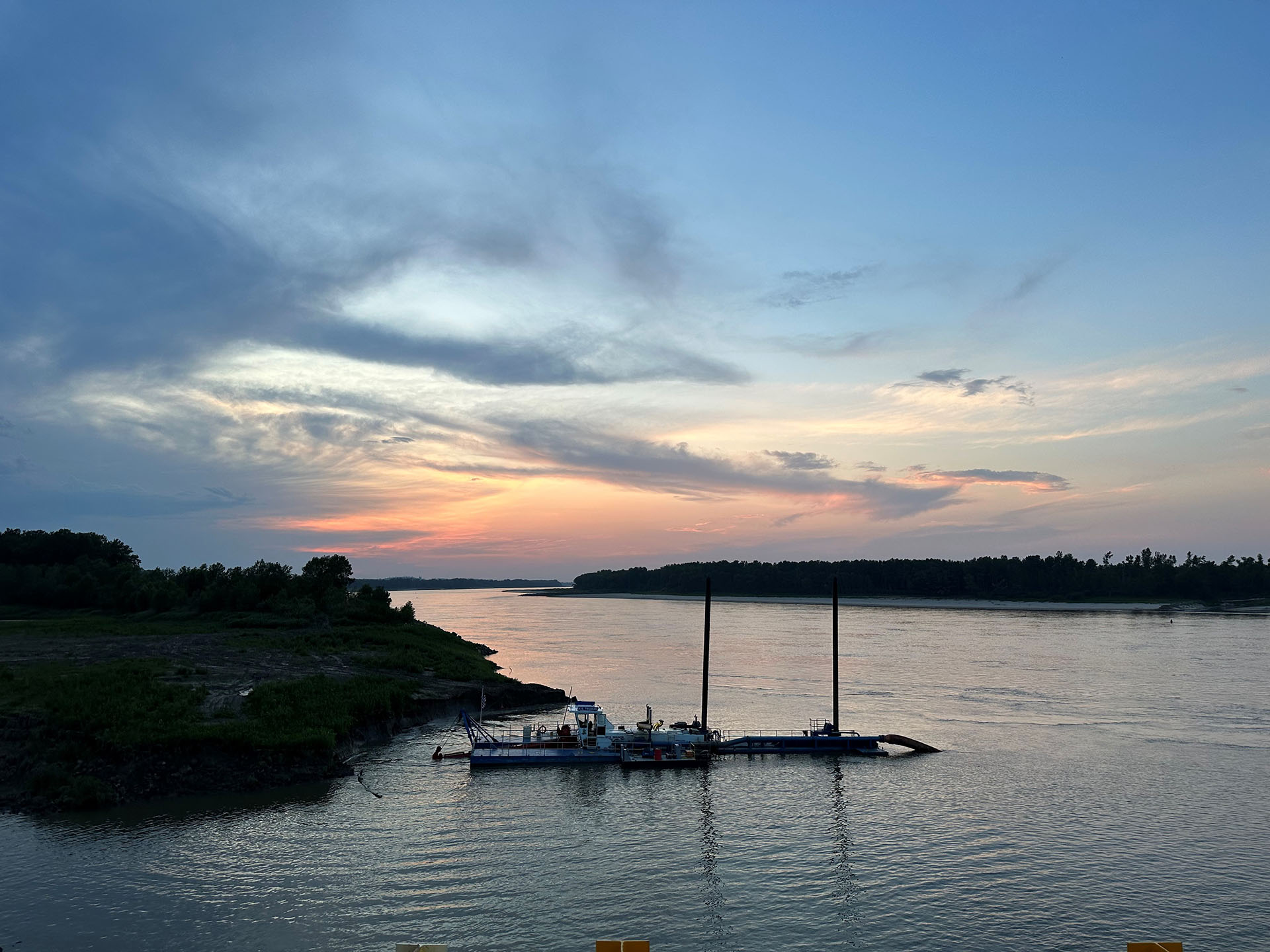
Dredging schedules depend on weather windows, equipment availability, and permit conditions that can restrict work to specific months or times of day. Effective project management separates contractors who finish on time from those who blame delays on factors they should have anticipated. Ask how the contractor plans to sequence dredging operations around your site constraints, whether that involves coordinating with ongoing marina operations, maintaining partial navigation channel access during work, or scheduling around seasonal fish spawning restrictions.
Modern hydraulic dredging operations employ GPS-guided positioning systems that allow operators to track dredge location in real time against project boundaries and design grade elevations. Advanced positioning software integrated with differential GPS receivers provides sub-meter positioning accuracy and prevents over-dredging beyond permitted limits or under-dredging that leaves sediment requiring costly remobilization. Contractors using these systems can generate daily progress reports showing completed volumes, current dredge position, and remaining work, giving project owners confidence that work proceeds according to plan rather than relying on operator estimates that may prove optimistic.
Establish clear communication protocols before mobilization. Who serves as the daily point of contact for site questions? How quickly will the contractor respond to regulatory agency inspection findings or resident complaints about noise and truck traffic? What triggers stop-work notifications if contamination levels exceed assumptions or unexpected debris requires revised handling procedures? Contractors experienced in complex projects will propose structured communication plans including weekly progress meetings, daily field reports, and immediate notification thresholds for safety incidents or permit compliance concerns.
Compare Cost Structures and Contract Terms
Low bid does not always equal best value, particularly when contractors cut corners on disposal, rush through environmental controls, or underestimate mobilization requirements then demand extras to complete work properly. Request itemized cost breakdowns separating mobilization charges, daily operating rates, disposal costs per cubic yard, and demobilization expenses. This transparency allows meaningful comparison between competing proposals and identifies where contractors may have buried contingencies or optimistic assumptions.
Mobilization costs for dredging equipment frequently surprise owners unfamiliar with the logistics involved. Transporting equipment from a previous project site hundreds of miles away requires multiple lowboy trailer loads, crane rental for assembly, launch ramp access or marine construction to launch vessels, and several days of crew time before any dredging begins. These costs can represent significant investment depending on equipment size and transport distance. Contractors with equipment already positioned nearby or who can combine your project with others in the region offer mobilization advantages worth considering even if daily rates run slightly higher.
Contract payment terms should align with measurable progress rather than percentage completion estimates. Unit price contracts based on actual cubic yards of dredged material removed and disposed provide the clearest cost control, though they require accurate pre-dredge and post-dredge surveys to verify quantities. Lump sum contracts shift quantity risk to the contractor but require careful specification of material removal depths and limits to prevent disputes over what constitutes completed work. Build in retained payment until final surveys confirm completion to specification and all disposal documentation proves material reached approved facilities.
The contractor you select will operate heavy equipment on your property for weeks or months, interact with regulatory inspectors holding permit compliance authority, and make dozens of field decisions affecting project cost and outcome. Choosing based on thorough vetting of capabilities, safety record, and project approach rather than lowest price alone dramatically improves the odds your dredging project finishes on schedule, within budget, and to the depth specifications required for your intended waterway use.
What qualifications should I verify when hiring a dredging contractor?
Verify equipment capability for your sediment type and depth, examine safety records including EMR and OSHA logs, confirm appropriate marine insurance coverage, review past project portfolios with similar scope, and ensure disposal planning addresses dewatering and material classification requirements.
How do I compare bids from different dredging contractors effectively?
Request itemized cost breakdowns separating mobilization, daily operating rates, disposal costs per cubic yard, and demobilization charges rather than lump sum figures, verify what surveying and monitoring services each bid includes, and check whether contractors using advanced GPS positioning systems can demonstrate volume accuracy that prevents payment disputes.
