








Top 5 Mistakes Contractors Make When Protecting Exposed Pile Tops
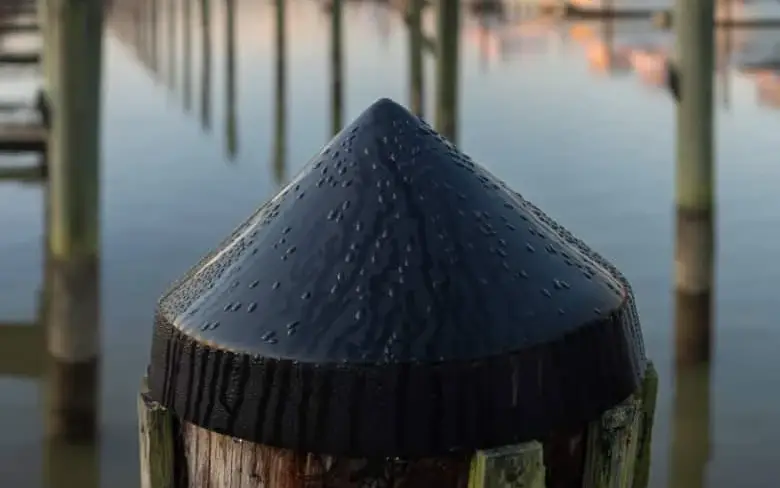
Exposed pile tops are one of the most overlooked elements in marine and waterfront construction, yet they are among the most vulnerable to long term deterioration. Whether piles are timber, concrete, or steel, the exposed section is where moisture intrusion, ultraviolet exposure, biological attack, and mechanical damage concentrate. When protection is inadequate or incorrectly applied, pile service life can be reduced dramatically, leading to premature repairs, structural compromise, and higher lifecycle costs. Understanding where contractors commonly go wrong is the first step toward extending pile performance and avoiding costly failures.
Why Exposed Pile Tops Fail First
Pile tops sit at the intersection of multiple degradation mechanisms. They are exposed to sunlight, oxygen, precipitation, freeze thaw cycling, and repeated mechanical impacts from decks, caps, and equipment. For timber piles, this zone experiences accelerated decay due to moisture retention and oxygen availability. For steel piles, coating breakdown and corrosion initiation often begin at the cut or exposed end. Concrete piles can suffer from cracking, carbonation, and chloride intrusion at exposed surfaces. Without targeted protection strategies, deterioration typically starts at the pile top and migrates downward over time.
Mistake One: Leaving Pile Tops Unsealed
Moisture Intrusion and Capillary Action
One of the most common mistakes is leaving pile tops completely unsealed after cutting or driving. Exposed end grain in timber piles allows water to penetrate deeply through capillary action, even when the pile shaft remains treated or protected. This trapped moisture creates ideal conditions for fungal decay in timber and accelerates internal corrosion in steel reinforced concrete piles. Once water enters the pile top, it is slow to escape, especially when piles are capped or covered by decking systems.
Long Term Structural Consequences
Unsealed pile tops often appear intact for years before visible signs of failure emerge. By the time softening, cracking, or corrosion becomes noticeable, internal damage is usually well advanced. Industry studies consistently show that untreated pile ends experience significantly higher deterioration rates compared to sealed or protected pile tops, particularly in splash zone and marine environments.
Mistake Two: Using Incompatible Protection Materials
Chemical and Material Mismatch
Another frequent error is applying protection materials that are incompatible with the pile material or environmental conditions. Certain coatings, fillers, or sealants may react negatively with treated timber preservatives or fail to bond properly to steel or concrete surfaces. In marine environments, some materials degrade rapidly under ultraviolet exposure or lose adhesion when subjected to repeated wet dry cycles.
Failure Under Real World Conditions
Protection systems that perform well in controlled conditions may fail quickly in the field if they are not designed for marine exposure. Saltwater, temperature fluctuations, and biological activity place unique stresses on pile top protection materials. Selecting systems specifically designed for pile protection and marine use is essential for long term performance. Contractors often underestimate how quickly incompatible materials can crack, delaminate, or wash out once installed.
Mistake Three: Ignoring Ultraviolet and Thermal Exposure
Sunlight Degradation Effects
Ultraviolet radiation is a major contributor to surface degradation on exposed pile tops. Many polymers, sealants, and coatings degrade when subjected to prolonged sunlight, becoming brittle or losing elasticity. When protection materials break down, they allow moisture to penetrate and restart the deterioration process.
Expansion and Contraction Stress
Thermal expansion and contraction also play a significant role in protection failure. Pile tops experience daily and seasonal temperature swings that cause materials to expand and contract at different rates. When protection systems are not designed to accommodate this movement, cracks form at interfaces and edges, creating pathways for water intrusion. This is particularly problematic for rigid fillers applied to timber piles, which naturally move with changes in moisture content.
Mistake Four: Poor Surface Preparation Before Protection
Contaminants and Moisture Retention
Surface preparation is critical but frequently rushed or skipped altogether. Dirt, oil, moisture, and biological growth prevent proper adhesion of protection systems. Applying sealants or coatings over damp or contaminated pile tops traps moisture beneath the protective layer, accelerating deterioration rather than preventing it.
Reduced Bond Strength and Durability
Manufacturers of pile protection systems consistently emphasize the importance of clean, dry, and properly prepared surfaces. Failure to follow preparation guidelines leads to reduced bond strength and early failure. In many documented cases, protection systems that should last decades fail within a few years due to improper surface preparation at installation.
Mistake Five: Treating Pile Protection as a One Time Task
Lack of Inspection and Maintenance Planning
Many contractors assume that pile top protection is a one time installation with no need for future inspection. In reality, even the best protection systems require periodic inspection to identify damage, wear, or material degradation. Mechanical impacts, deck movement, and environmental exposure can compromise protection over time.
Lifecycle Cost Implications
Ignoring maintenance planning often results in higher lifecycle costs. Minor repairs performed early can prevent major structural rehabilitation later. Industry asset management data shows that proactive inspection and maintenance of exposed pile tops significantly extends service life and reduces long term repair expenditures. Integrating pile protection into routine inspection programs is a best practice that is still underutilized across the industry.
Choosing Proven Pile Protection Approaches
Aligning Protection With Environment and Material
Effective pile top protection requires matching the protection method to the pile material, exposure conditions, and project lifespan. Marine, freshwater, and terrestrial environments all present different risks that must be addressed through material selection and installation practices. Contractors who rely on generalized solutions rather than engineered protection systems often experience premature failures.
Using Purpose Built Protection Systems
Purpose built pile protection systems are designed to address moisture intrusion, ultraviolet exposure, and mechanical wear simultaneously. Solutions such as pile protection systems engineered for marine environments offer greater durability than improvised field applications. Selecting tested systems designed for exposed pile conditions helps reduce risk and improves long term performance. Contractors seeking reliable options often turn to specialized pile protection systems that are engineered for these exact challenges.
Building Better Outcomes Through Proper Protection
Protecting exposed pile tops is not a cosmetic detail but a structural necessity. The most common failures stem from preventable mistakes related to material selection, surface preparation, environmental exposure, and long term maintenance planning. Contractors who understand these risks and apply protection systems correctly can significantly extend pile service life and reduce total ownership costs.
As marine and waterfront projects face increasing scrutiny around durability and lifecycle performance, proper pile top protection is becoming a defining factor in project success. Investing in proven pile top protection solutions and following best practices from installation through maintenance ensures that piles perform as intended for decades rather than years.
Why are exposed pile tops more vulnerable to deterioration than other parts of a pile?
Exposed pile tops deteriorate first because they are subjected to moisture intrusion, ultraviolet radiation, temperature fluctuations, and mechanical damage, which accelerate decay, corrosion, and material breakdown.
What is the most common mistake contractors make when protecting pile tops?
One of the most common mistakes is leaving pile tops unsealed or poorly prepared, allowing moisture to penetrate and cause internal decay or corrosion that significantly shortens service life.
