



Floating Docks vs. Fixed Piers: Foundation Considerations in Marina Design
Marina designers face a fundamental choice when planning waterfront access infrastructure: floating docks or fixed piers. Each system responds differently to environmental forces, vessel loads, and long-term maintenance demands, making foundation design a decisive factor in overall performance. Understanding how foundation requirements change between floating and fixed systems is essential for building marinas that remain safe, functional, and cost-effective over decades of service.
How Marina Type Influences Foundation Design
The foundation strategy for a marina is inseparable from the type of docking system selected. Floating docks rely on flexible connections that accommodate water level fluctuations, while fixed piers depend on rigid foundations embedded into the seabed. These structural differences influence how loads are transferred, how environmental forces are resisted, and how the marina behaves over time.
Modern marina projects increasingly evaluate site conditions before selecting a dock type, particularly in regions with significant tidal ranges, fluctuating reservoir levels, or seasonal ice formation. In many cases, engineers turn to marine dock anchoring systems that provide stability while allowing controlled movement, especially where traditional fixed foundations would be costly or vulnerable to changing water elevations.
Foundation Behavior in Floating Dock Systems
Load Transfer and Vertical Movement
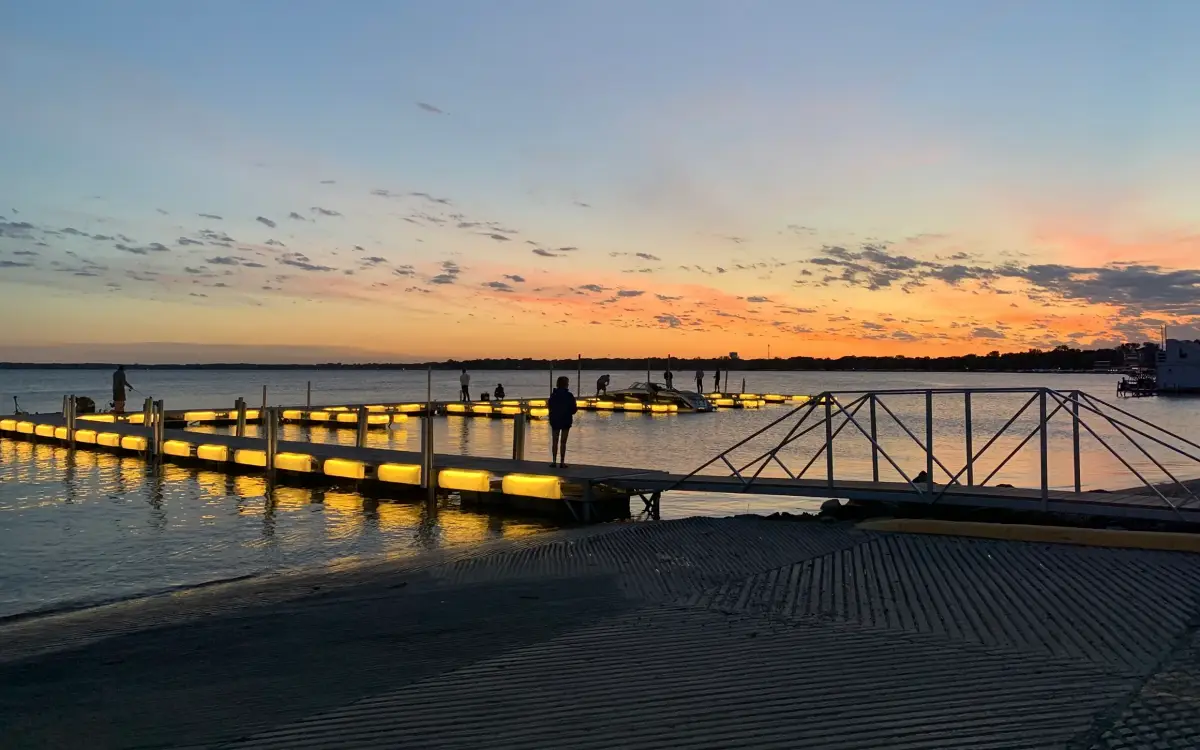
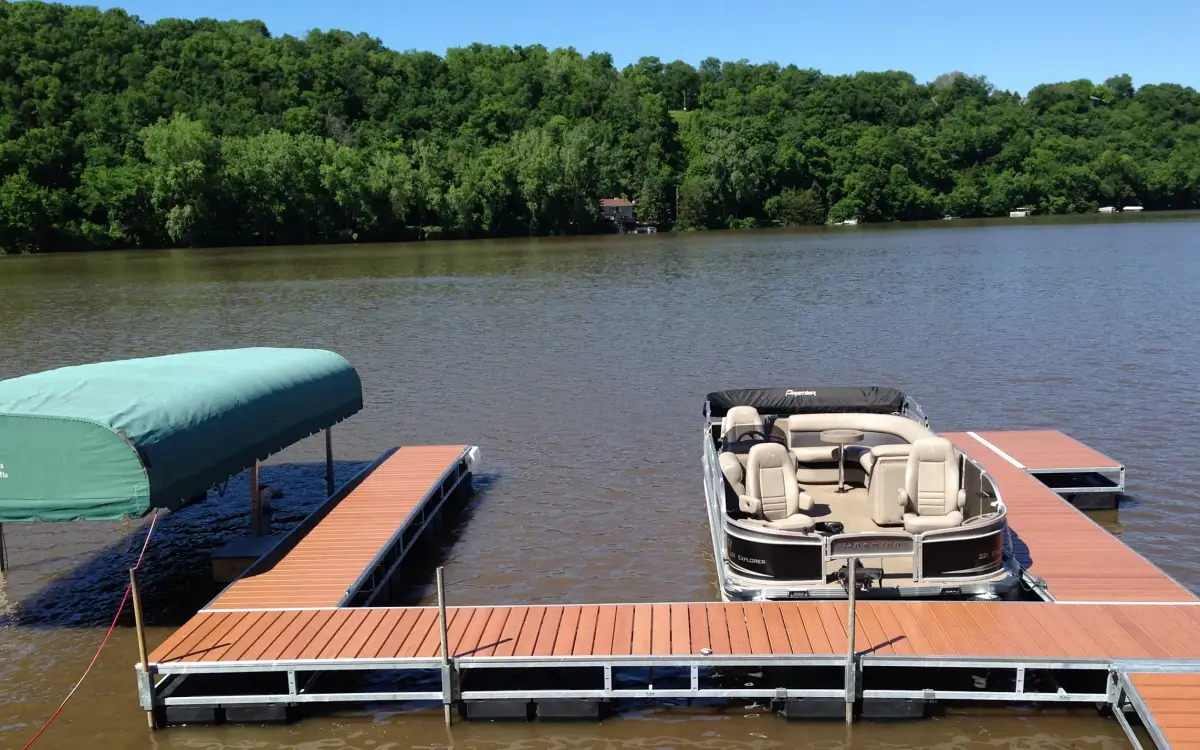
Floating docks are supported by buoyant elements that rise and fall with changing water levels, which means vertical loads are largely carried by flotation rather than foundations. The foundation system instead resists lateral forces from wind, waves, vessel berthing, and current. These forces are commonly transferred through guide piles, mooring piles, or anchoring assemblies embedded into the lakebed or seabed.
Because vertical movement is expected, foundation components must allow low-friction sliding or articulated connections. Piles used with floating docks are often designed primarily for lateral capacity, with embedment depth determined by soil strength, anticipated loads, and long-term scour potential. In softer sediments, deeper embedment or additional piles may be required to control deflection.
Soil Conditions and Embedment Requirements
Floating dock foundations are highly sensitive to subsurface conditions. Loose sands, soft clays, or organic sediments can reduce lateral pile resistance, increasing the risk of excessive movement during storms. Geotechnical investigations typically focus on shear strength, consolidation behavior, and erosion susceptibility rather than bearing capacity alone.
In areas with weak soils, engineers may specify larger-diameter piles, batter piles, or supplemental anchoring solutions to distribute loads more effectively. These foundation strategies help maintain dock alignment while preserving the flexibility that makes floating systems attractive in variable water environments.
Foundation Demands of Fixed Pier Structures
Vertical Load Capacity and Structural Rigidity
Fixed piers are supported by piles or columns that carry both vertical and lateral loads directly into the soil or rock below. Unlike floating docks, fixed piers do not adjust to changing water levels, so their foundations must resist dead loads, live loads, vessel impact forces, and environmental loads simultaneously.
Pile foundations for fixed piers are often designed for axial compression and uplift, as well as bending from wave and current forces. In coastal marinas, these foundations must also withstand storm surge effects and debris impact during extreme weather events. Load combinations are typically more demanding than those associated with floating dock piles.
Long-Term Settlement and Structural Alignment
Settlement control is a critical consideration for fixed piers. Differential settlement between piles can lead to uneven deck surfaces, structural cracking, and misalignment of utilities. This makes soil uniformity and pile installation quality especially important.
Engineers often rely on driven piles, drilled shafts, or augered piles depending on subsurface conditions and installation constraints. In regions with variable stratigraphy, fixed pier foundations may require more extensive geotechnical analysis and higher construction costs to ensure long-term stability.
Environmental Forces and Foundation Performance
Wave Action and Hydrodynamic Loads
Floating docks typically experience reduced wave forces because they move with the water surface, dissipating energy through motion. Foundations primarily resist lateral drift rather than direct wave impact. Fixed piers, by contrast, are exposed to full wave loading, which increases bending moments and shear forces in piles.
In high-energy environments, fixed pier foundations must be designed to resist cyclic loading that can degrade soil strength over time. Floating dock foundations may be less susceptible to this type of degradation, provided that lateral movement remains within acceptable limits.
Ice, Flooding, and Seasonal Water Changes
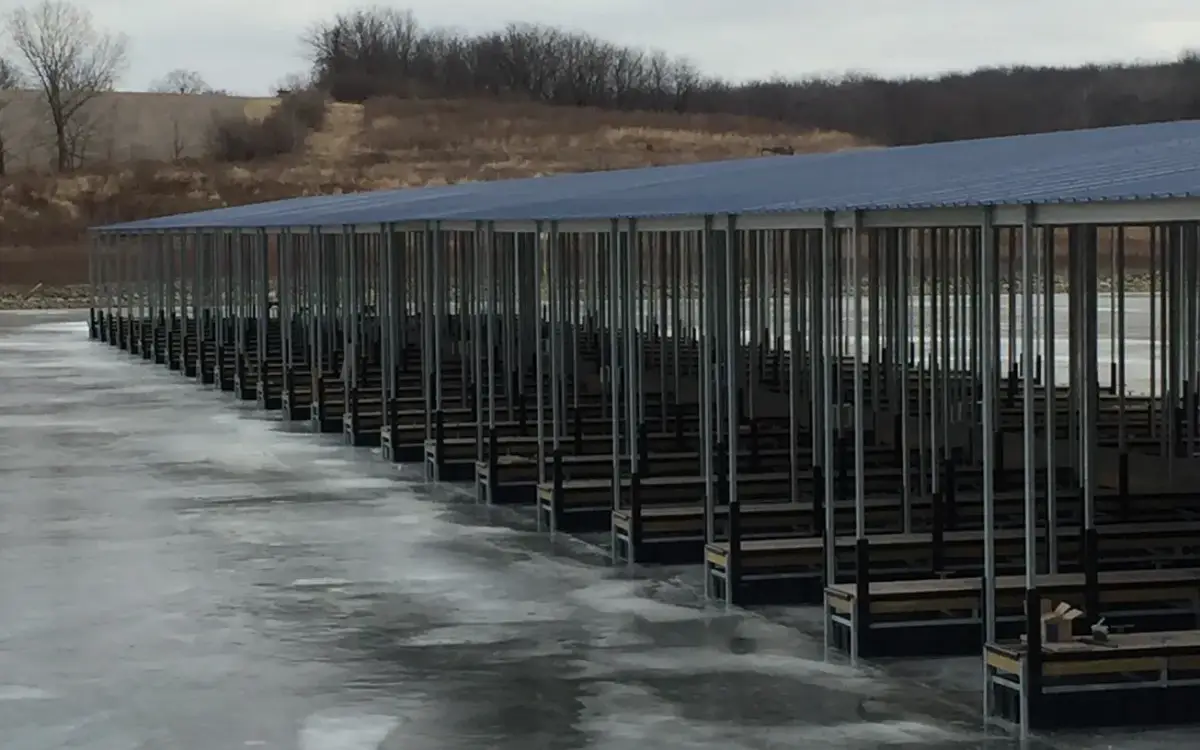
In cold climates, ice loading can govern foundation design. Floating docks often perform better under ice conditions because they can rise with ice sheets, reducing crushing forces on piles. Fixed piers may experience significant horizontal loads as ice expands or moves with wind and current.
Seasonal flooding and drought cycles also favor floating systems, particularly in inland reservoirs and rivers. Foundations that support floating docks are less affected by changing water elevations, while fixed pier foundations must be designed to remain functional across a wide range of water levels.
Construction Complexity and Installation Constraints
Access and Equipment Requirements
Foundation installation for fixed piers often requires heavy equipment, cofferdams, or barges, especially when installing large-diameter piles or drilled shafts. This can increase project duration and environmental disturbance. Floating dock foundations typically involve fewer piles and lighter installation methods, which can be advantageous in sensitive habitats.
In shallow or remote locations, contractors may prefer foundation systems that reduce the need for extensive marine construction equipment. This practical consideration often influences the choice between floating and fixed solutions as much as structural performance.
Adaptability and Future Modifications
Floating dock foundations offer greater adaptability for marina expansions or reconfigurations. Additional docks can often be added by installing new guide piles or anchors without modifying existing foundations. Fixed piers are less flexible, as their foundations are permanent and difficult to alter once installed.
For marinas expecting future growth or changing vessel sizes, foundation systems that support modular floating docks may provide long-term operational advantages.
Lifecycle Costs and Maintenance Implications
Foundation maintenance differs significantly between floating docks and fixed piers. Floating dock foundations require periodic inspection of piles, anchors, and connection hardware to ensure continued lateral stability. Corrosion protection and wear at sliding interfaces are common maintenance concerns.
Fixed pier foundations generally require less frequent inspection but can be more costly to repair if problems arise. Damage from corrosion, scour, or settlement often involves complex marine construction work. When evaluating lifecycle costs, designers must consider not only initial installation but also long-term accessibility for inspection and repair.
In many modern marina projects, designers integrate floating marina dock systems where foundation simplicity, adaptability, and environmental responsiveness offer measurable advantages over rigid pier structures.
Choosing the Right Foundation Strategy
The decision between floating docks and fixed piers ultimately depends on site conditions, operational requirements, and long-term planning goals. Floating systems place greater emphasis on lateral resistance and flexibility, while fixed piers demand robust vertical and lateral load capacity from their foundations.
Successful marina design begins with a thorough understanding of soil conditions, environmental forces, and anticipated usage patterns. By aligning foundation design with the chosen docking system, engineers can deliver waterfront infrastructure that balances performance, durability, and cost over its entire service life.
How do floating dock foundations differ from fixed pier foundations?
Floating dock foundations mainly resist lateral loads and allow vertical movement, while fixed pier foundations must support both vertical and lateral loads rigidly.
Why is soil condition important for marina dock foundations?
Soil strength and stability determine pile embedment, lateral resistance, and long-term dock alignment for both floating and fixed systems.
