











How Torque Monitoring Improves Load Verification in Helical Deep Foundations
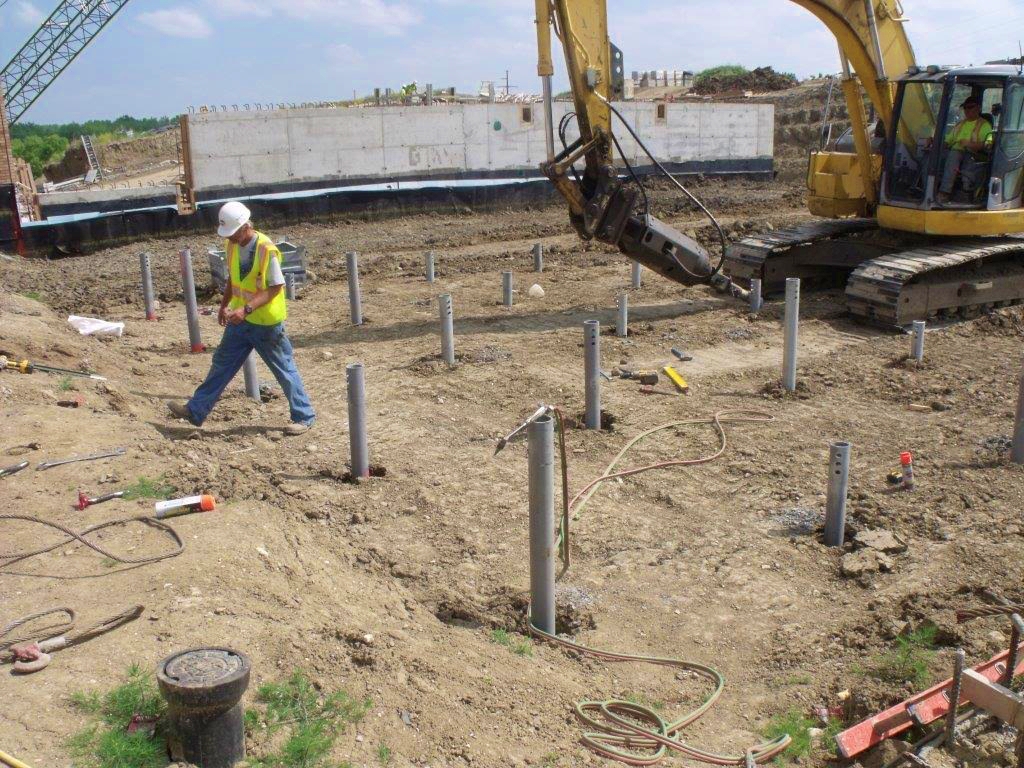
Helical deep foundations are widely used across marine, industrial, and commercial construction because they offer predictable performance in a wide range of soil conditions. One of the primary reasons for their reliability is the ability to verify capacity during installation rather than relying solely on assumptions made during design. Torque monitoring has become one of the most important tools for achieving this verification, allowing contractors and engineers to correlate installation resistance with load capacity in real time. As foundation projects become more complex and risk sensitive, torque monitoring is increasingly viewed as a critical part of installation quality control rather than an optional add on.
The growing availability of modern installation equipment and measurement tools has made torque data easier to capture and document on site. Many contractors now integrate real time torque monitoring systems into their installation workflow to support load verification, project documentation, and engineering review. These systems provide measurable data that aligns field performance with design intent while reducing uncertainty during construction.
Understanding Torque in Helical Foundation Installation
How Installation Torque is Measured
Installation torque is the rotational resistance encountered as a helical foundation element advances through soil. This resistance is influenced by soil type, density, moisture content, and helix geometry. Torque is typically measured at the drive head using hydraulic pressure readings, inline torque sensors, or digital monitoring systems that record values continuously during installation.
Unlike driven piles, where capacity is inferred after installation, helical foundations allow contractors to observe resistance as the element advances. This real time feedback enables immediate adjustments if subsurface conditions vary from expectations. When torque measurements fall outside anticipated ranges, installation procedures can be modified before problems escalate.
Torque As a Proxy for Load Capacity
The relationship between installation torque and axial capacity is well established in geotechnical practice. Empirical correlations allow engineers to estimate allowable loads based on measured torque values when applied within appropriate design limits. While torque alone does not replace engineering analysis, it provides a reliable field indicator that complements soil investigations and design calculations.
By monitoring torque continuously, installers can confirm that target resistance has been achieved at the required depth. This reduces the risk of underperforming foundations and helps avoid unnecessary over installation that can increase cost and installation time.
Why Load Verification Matters on Modern Projects
Managing Risk in Variable Soil Conditions
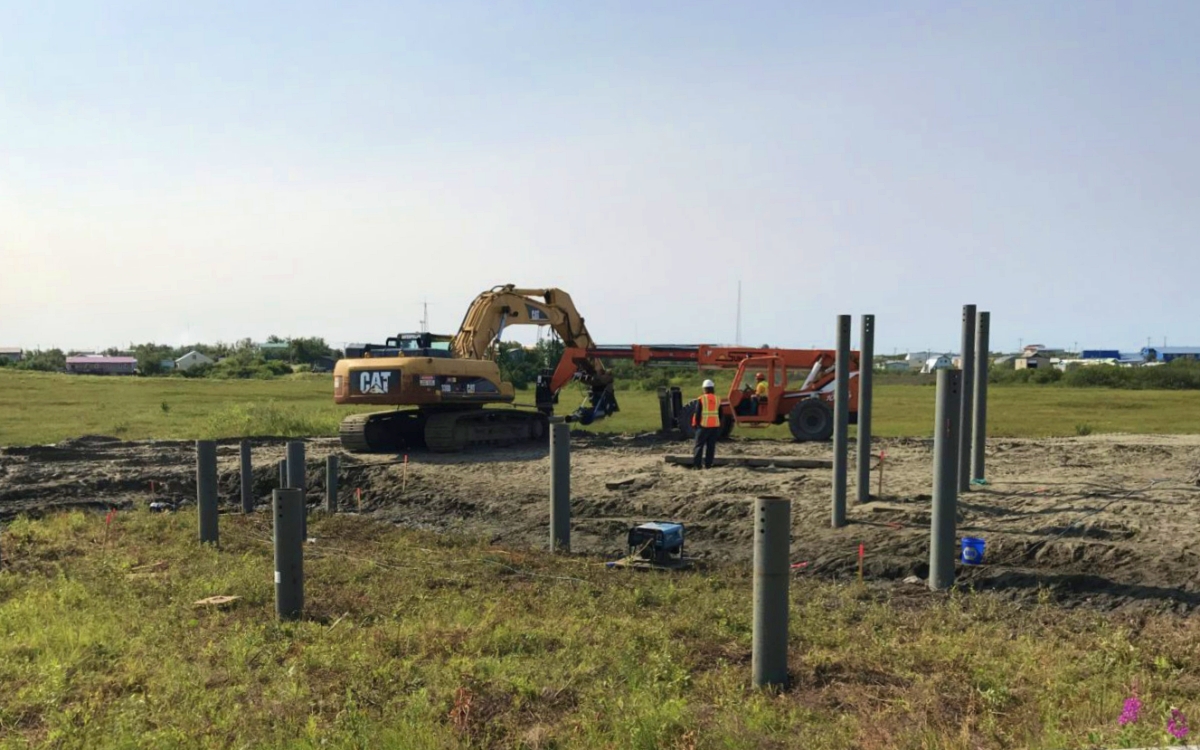
Subsurface conditions are rarely uniform across a site. Even well executed geotechnical investigations represent only a sample of actual conditions. Torque monitoring helps bridge this gap by providing site specific feedback during installation.
When torque values change unexpectedly, crews can identify transitions between soil layers or obstructions that may affect performance. This visibility allows for informed decision making in the field rather than relying on assumptions that may not reflect actual conditions.
Supporting Engineering Oversight and Documentation
Many projects require documented proof that foundations meet design requirements. Torque records provide a clear and traceable data set that can be reviewed by engineers, inspectors, and owners. These records help demonstrate compliance with specifications and support project closeout documentation.
Installation Equipment and Torque Accuracy
Drive Heads and Measurement Integration
Accurate torque monitoring depends on properly matched installation equipment. Hydraulic drive heads must deliver sufficient torque capacity while maintaining stable rotational control. Measurement devices must be calibrated and integrated correctly to ensure readings reflect actual resistance at the foundation element.
Installation equipment designed for torque measurement often includes integrated sensors or compatible mounting options for external monitoring systems. Proper setup is essential to avoid false readings caused by hydraulic inefficiencies or mechanical losses within the system.
Equipment Selection for Reliable Data
Selecting installation equipment is not only about torque output but also about measurement resolution and repeatability. Systems that provide continuous digital readings offer better insight than intermittent manual checks. Reliable equipment supports consistent installation practices across crews and projects.
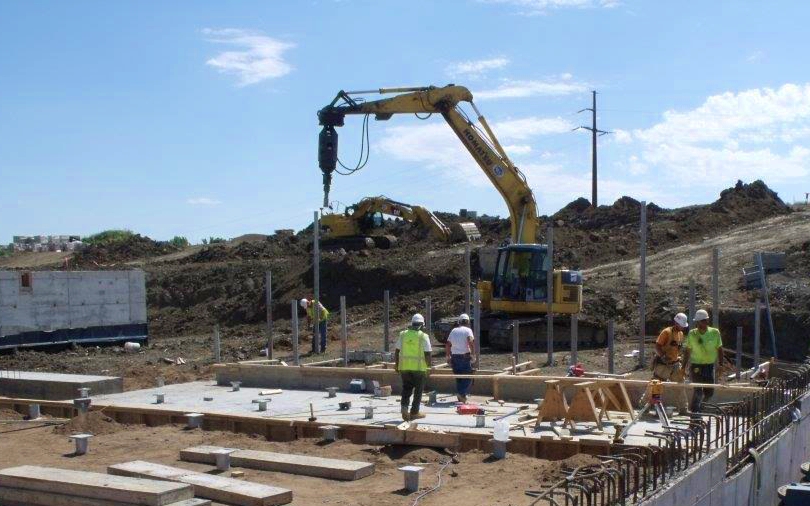
Contractors using hydraulic drive heads for screw pile installation benefit from equipment configurations that support both performance and data capture. This combination helps align installation efficiency with quality assurance requirements.
Quality Control Benefits for Contractors and Owners
Reducing Rework and Delays
Torque monitoring allows issues to be identified during installation rather than after construction has progressed. When capacity concerns are addressed early, corrective actions can be implemented with minimal disruption. This reduces the likelihood of costly remediation or schedule delays later in the project.
Consistent torque data also helps standardize installation practices across multiple crews. When installers understand expected torque ranges, training and oversight become more effective.
Improving Confidence in Foundation Performance
For owners and engineers, torque verification provides confidence that installed foundations will perform as intended. This assurance is especially important in applications where access for testing is limited or where long term performance is critical.
Documented torque data supports informed decision making throughout the project lifecycle. It also contributes to more predictable outcomes, which benefits all stakeholders involved.
Practical Considerations When Using Torque Data
Understanding Limitations and Context
While torque monitoring is a valuable tool, it must be interpreted correctly. Correlations between torque and capacity are influenced by soil type and installation conditions. Engineers must ensure that applicable correlations are appropriate for the site and foundation configuration.
Torque data should be considered alongside other information such as soil logs, installation depth, and foundation geometry. Used properly, torque monitoring enhances design verification rather than replacing engineering judgment.
Training and Field Procedures
Accurate torque measurement requires trained operators who understand both the equipment and the data being collected. Crews should follow standardized procedures for equipment setup, calibration, and data recording.
Clear communication between installers and engineers ensures that torque targets are understood and achieved. This collaboration helps maximize the value of torque monitoring throughout the installation process.
The Role of Torque Monitoring in Future Foundation Projects
Increasing Expectations for Verification
As construction projects face higher performance expectations and tighter tolerances, the demand for verifiable installation data continues to grow. Torque monitoring aligns with this trend by providing measurable evidence of foundation performance.
Advancements in digital monitoring and data management are making torque information easier to capture and analyze. These tools support more transparent and accountable construction practices across the industry.
Supporting Long Term Asset Performance
Foundations represent a critical investment in any structure. Verifying capacity at installation helps protect that investment by reducing uncertainty and improving reliability. Torque monitoring contributes to this goal by linking field performance directly to design intent.
As more projects adopt data driven installation methods, torque monitoring is likely to become a standard component of deep foundation quality control rather than a specialized option.
What is installation torque in helical foundations used for?
It measures rotational resistance to verify axial load capacity during installation.
Why is torque monitoring important in construction projects?
It provides real-time data to ensure foundations meet design requirements and reduce rework.
