

How Steel Pipes and Tubes Support Lateral Stability in Marine Structures
Marine structures are constantly exposed to lateral forces generated by waves, currents, wind, vessel impacts, and tidal action. Unlike vertical gravity loads, these horizontal forces place continuous stress on foundations and framing systems, making lateral stability a primary concern in marine engineering. Steel pipes and tubes play a critical role in resisting these forces, forming the backbone of many stable and durable waterfront structures. Their geometry, strength, and adaptability make them indispensable across a wide range of marine construction applications, from piers and wharves to dolphins and offshore platforms.
In modern marine projects, the use of high strength steel pipe and tube systems has become increasingly common as designers seek reliable ways to manage complex loading conditions while maintaining constructability and long-term performance. Selecting the right structural components early in the design process is essential to ensuring stability in demanding marine environments.
Understanding Lateral Forces in Marine Environments
Sources of Horizontal Loads
Marine structures experience lateral loads from multiple sources acting simultaneously. Waves exert cyclic pressure on exposed surfaces, while currents apply sustained horizontal forces along piles and columns. Wind loads can significantly affect superstructures such as piers, loading platforms, and access trestles, particularly when combined with wave action. In working harbors and terminals, vessel berthing and mooring forces introduce additional lateral stresses that must be safely transferred into the foundation system.
These forces vary in magnitude and direction, requiring structural systems that can resist bending, shear, and fatigue over long service lives. Steel pipes and tubes are frequently selected because their shape and material properties allow them to perform efficiently under these demanding conditions.
Load Transfer Mechanisms
Lateral loads acting on marine structures are typically transferred from decks and superstructures through beams and frames into vertical and inclined members. Steel pipe piles and tubular columns then convey these forces into the seabed through bending resistance and soil interaction. The continuous cross section of pipes and tubes allows stresses to distribute evenly around the perimeter, reducing localized weaknesses and improving overall structural reliability.
Role of Steel Pipes in Foundation Stability
Pipe Piles as Primary Lateral Resisting Elements
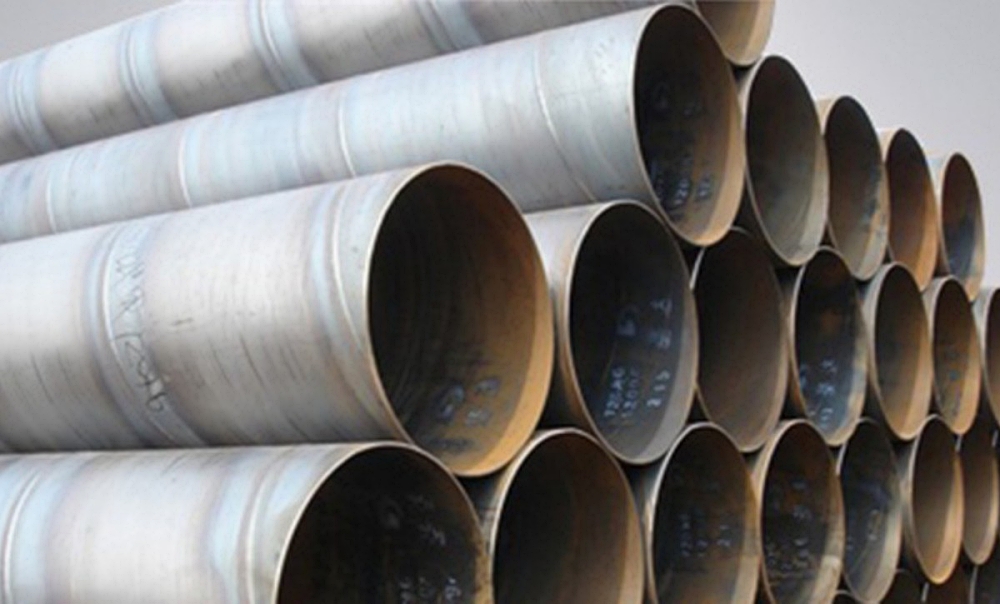
Steel pipe piles are widely used in marine foundations due to their high bending capacity and axial strength. When driven or drilled into the seabed, these piles resist lateral loads through a combination of structural stiffness and soil resistance. The circular shape of pipe piles provides uniform resistance in all horizontal directions, making them well suited for environments where load direction can change due to tides or vessel movement.
In many projects, structural steel pipe systems are selected to support docks, piers, and dolphins because they can be fabricated in large diameters and wall thicknesses to meet specific load demands. Their adaptability makes them a reliable solution for managing lateral stability in both shallow and deep water conditions.
Interaction Between Pipes and Marine Soils
The performance of steel pipes under lateral loads depends heavily on soil conditions. Sand, clay, and mixed seabeds respond differently to horizontal movement, influencing pile deflection and load capacity. Engineers account for these variables through site investigations and established analytical methods that predict how pipe piles will behave under sustained lateral loading. Proper embedment depth and spacing ensure that pipes work together as a system to maintain structural stability.
Use of Steel Tubes in Bracing and Framing Systems
Tubular Members in Lateral Bracing
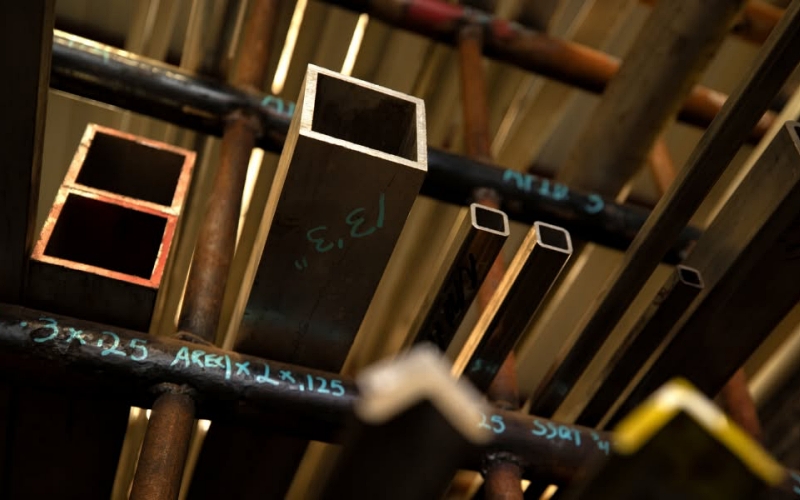
Beyond foundations, steel tubes are commonly used as bracing members within marine structures. Tubular bracing systems connect vertical piles, beams, and decks, creating rigid frames capable of resisting horizontal movement. Compared to open sections, tubes offer high torsional stiffness, which improves resistance to twisting caused by uneven loading or asymmetric wave action.
Tubular bracing is frequently incorporated into piers, access platforms, and offshore structures where stability is critical. The closed shape of tubes reduces the risk of buckling under compressive forces, making them effective in both tension and compression roles within lateral load paths.
Integration With Beams and Deck Systems
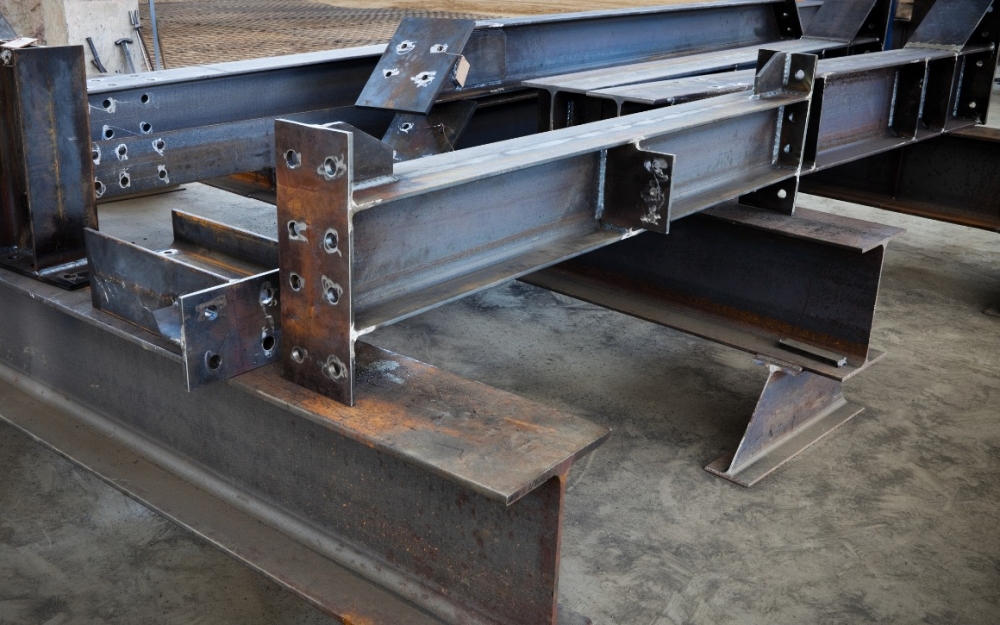
Steel tubes often work alongside beams to form complete structural frameworks. Beams distribute loads across the deck, while tubular members stabilize the structure by limiting lateral displacement. This integrated approach allows designers to balance strength, stiffness, and material efficiency, particularly in large marine facilities where loads vary across the structure.
Durability Considerations in Dynamic Marine Conditions
Fatigue Resistance Under Cyclic Loading
Marine environments subject steel components to repeated loading cycles caused by waves and vessel traffic. Over time, these cycles can lead to fatigue damage if not properly addressed. Steel pipes and tubes perform well under cyclic loading due to their continuous geometry, which minimizes stress concentrations. Careful detailing of connections and welds further enhances fatigue resistance, extending service life.
Corrosion and Protective Measures
Exposure to saltwater and oxygen accelerates corrosion, particularly in splash and tidal zones. Protective coatings, cathodic protection systems, and material selection strategies are commonly used to safeguard steel pipes and tubes. Proper maintenance planning ensures that lateral stability is preserved throughout the structure’s lifespan, even in aggressive marine environments.
Design and Construction Best Practices
Fabrication and Installation Accuracy
The effectiveness of steel pipes and tubes in providing lateral stability depends on precise fabrication and installation. Straightness, wall thickness consistency, and quality welding all influence structural performance. During construction, accurate alignment and secure connections ensure that lateral loads are transferred as intended through the structural system.
Long Term Inspection and Maintenance
Routine inspection is essential for detecting early signs of corrosion, fatigue, or movement. Monitoring deflection and connection integrity allows operators to address issues before they compromise stability. Well maintained marine steel tube fabrication and pipe systems continue to provide reliable lateral resistance long after installation, supporting safe and efficient waterfront operations.
Steel pipes and tubes play a foundational role in maintaining lateral stability in marine structures. Their ability to resist bending, distribute loads evenly, and perform reliably under dynamic conditions makes them indispensable in modern marine construction. From pipe piles embedded in the seabed to tubular bracing supporting decks and superstructures, these components work together to ensure stability against constant environmental forces. As marine projects continue to grow in scale and complexity, the strategic use of steel pipes and tubes remains a proven approach to achieving long term structural performance and safety.
Why are steel pipes and tubes used for lateral stability in marine structures?
Their circular shape and high stiffness efficiently resist bending and distribute horizontal loads from waves, currents, and vessel impacts.
How do steel tubes perform under repeated wave and vessel loading?
They resist fatigue and stress concentrations, maintaining structural stability over long-term cyclic loading.
