

Tips for Selecting Reliable Barge and Tugboat Services in Marine Construction Projects
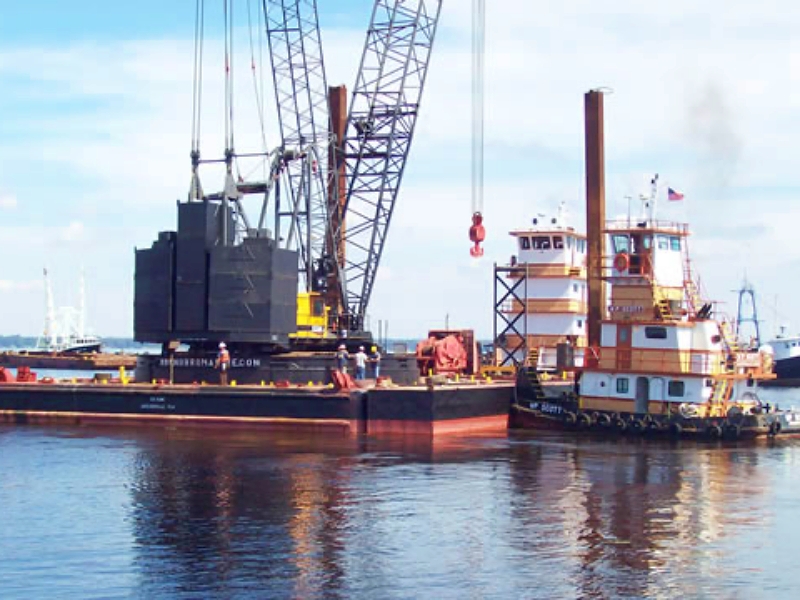
Marine construction projects depend heavily on waterborne logistics, especially when transporting materials, positioning heavy equipment, or supporting offshore and coastal work zones. Barges and tugboats play a central role in these operations, serving as floating platforms, transport vessels, and maneuvering assets in challenging marine environments. Selecting reliable barge and tugboat services can directly impact project timelines, safety outcomes, and overall cost control. Choosing the right provider requires careful evaluation of operational capabilities, regulatory compliance, and experience in marine construction support.
Understanding The Role of Barges and Tugboats in Marine Construction
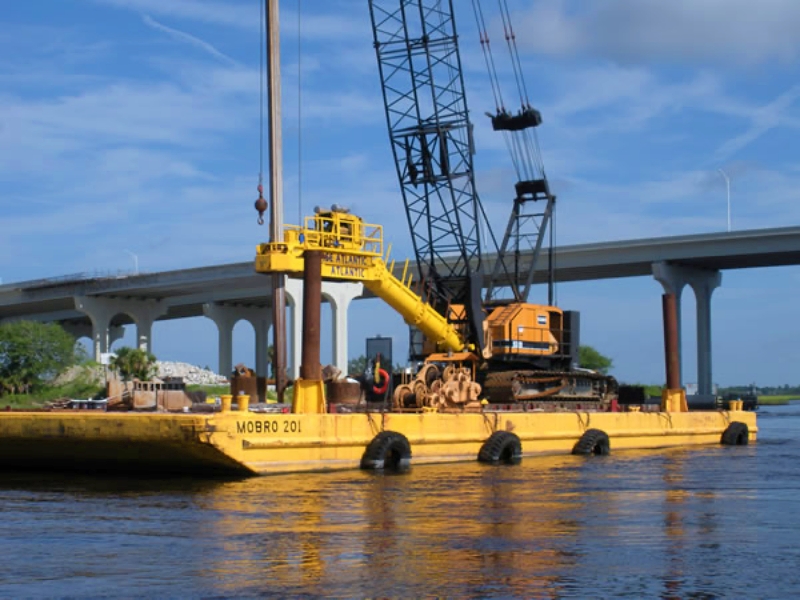
Barges are commonly used as stable work platforms and material carriers in marine construction, supporting pile driving, crane operations, dredging support, and equipment staging. Tugboats provide the propulsion, positioning, and navigational control needed to move barges safely through inland waterways, coastal zones, and port environments. Together, these vessels form the logistical backbone of many marine infrastructure projects, from bridge construction to port expansion.
Reliable marine barge and tug services must align with the specific demands of construction operations rather than general cargo transport. Early coordination with experienced providers helps ensure vessels are properly matched to project scope, water conditions, and regulatory requirements. Selecting a provider that specializes in construction support reduces operational risk and improves efficiency from mobilization through demobilization.
Evaluating Vessel Specifications and Load Capacity
Matching Barge Deck Strength to Equipment Loads
Barge deck capacity is one of the most critical technical considerations in marine construction support. Construction barges must safely accommodate cranes, pile driving rigs, material stockpiles, and temporary structures without exceeding design limits. Verifying deck load ratings, ballast systems, and structural condition helps prevent costly delays and safety incidents.
Operators offering dependable marine barge and tug services should provide detailed vessel specifications, including deck load capacity, dimensions, and available mooring systems. This level of transparency allows engineers and contractors to confirm compatibility with project equipment and construction methods early in the planning process.
Tugboat Horsepower and Maneuvering Capabilities
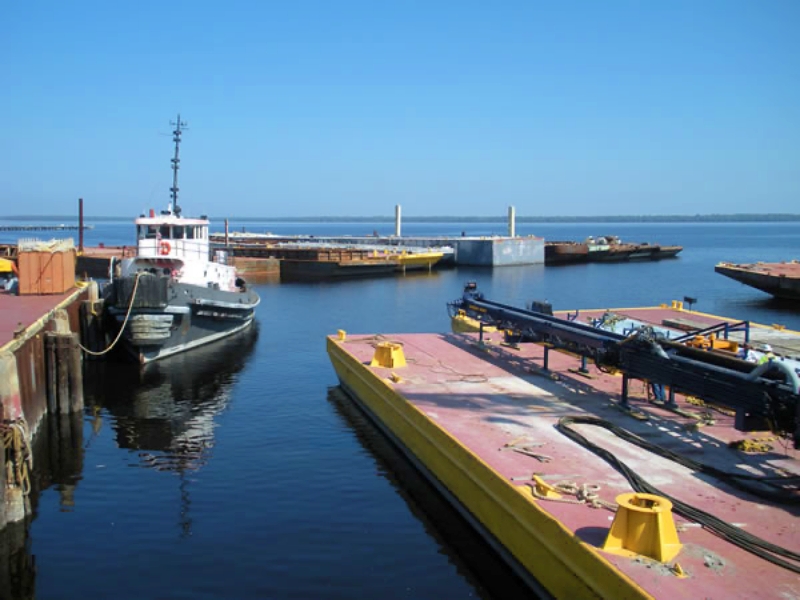
Tugboat selection should account for horsepower, propulsion type, and maneuverability relative to barge size and environmental conditions. Insufficient towing power can limit operational windows, particularly in tidal currents, congested ports, or adverse weather. Reliable tugboats must also be equipped for precise positioning during pile placement, crane lifts, and floating structure alignment.
Assessing bollard pull ratings and propulsion systems ensures tugboats can handle both transit towing and station keeping during active construction. Providers experienced in construction support understand these requirements and assign vessels accordingly rather than relying on generalized towing assets.
Assessing Experience in Construction-Specific Marine Operations
Proven Track Record on Similar Projects
Marine construction environments introduce complexities that differ significantly from commercial towing or cargo operations. Projects may involve restricted waterways, tight tolerances, coordination with crane operators, and frequent repositioning. Selecting service providers with documented experience supporting marine construction improves operational reliability and reduces learning curve risks.
Requesting information on past projects such as bridge foundations, port improvements, or industrial waterfront construction helps verify a provider’s familiarity with construction workflows. Experienced crews anticipate challenges related to vessel positioning, work sequencing, and coordination with multiple contractors on site.
Knowledge of Inland and Coastal Waterways
Local and regional waterway knowledge is essential for safe and efficient marine construction operations. Familiarity with channel depths, tidal patterns, bridge clearances, and port traffic allows tug crews to plan efficient routes and minimize downtime. Providers with established operations in the project region offer valuable logistical advantages that can streamline mobilization and daily operations.
This regional expertise becomes especially important when projects require frequent barge movements or extended work periods in dynamic marine environments.
Safety Management and Regulatory Compliance
Compliance With Maritime Regulations
Reliable barge and tugboat services must operate in full compliance with applicable maritime regulations, including vessel inspections, crew certifications, and safety management systems. Regulatory compliance supports both project safety and contractual risk management, reducing exposure to enforcement actions or work stoppages.
Verification of compliance with U.S. Coast Guard requirements, towing vessel regulations, and applicable safety standards should be part of the provider evaluation process. Established operators maintain up to date documentation and adhere to structured safety protocols across all operations.
Crew Training and Operational Safety Culture
Marine construction support requires close coordination between vessel crews and construction personnel. Well trained crews with experience in construction environments contribute to safer lifting operations, barge positioning, and emergency response readiness. Evaluating a provider’s training programs and safety record offers insight into their operational discipline and risk management practices.
A strong safety culture also supports smoother communication on site, reducing misunderstandings that can lead to delays or incidents during complex construction activities.
Scheduling Reliability and Fleet Availability
Fleet Size and Redundancy
Fleet availability plays a significant role in maintaining construction schedules, particularly on multi phase or long duration projects. Providers with diverse fleets and redundant vessel options are better positioned to accommodate schedule changes, maintenance needs, or unexpected operational demands.
Reliable operators maintain well managed fleets that can scale with project requirements, ensuring vessels remain available throughout critical construction phases. This flexibility helps contractors maintain momentum even when project conditions evolve.
Maintenance Practices and Vessel Readiness
Preventive maintenance programs directly affect vessel reliability and uptime. Barges and tugboats used in construction must remain operational under demanding conditions, often for extended periods. Providers that invest in routine maintenance and inspections reduce the likelihood of breakdowns that could disrupt construction schedules.
Evaluating maintenance practices and vessel condition before contract award helps ensure assets remain dependable throughout the project lifecycle.
Communication and Project Coordination Capabilities
Integration With Construction Teams
Effective communication between marine service providers and construction teams supports efficient daily operations. Tug crews must coordinate closely with crane operators, engineers, and site supervisors to align vessel movements with construction sequencing. Providers experienced in marine construction understand the importance of this coordination and establish clear communication protocols.
Strong integration reduces idle time, improves safety during lifting operations, and helps maintain predictable production rates on the water.
Responsiveness and Operational Flexibility
Marine construction projects often face changing conditions related to weather, tides, or regulatory constraints. Selecting a service provider known for responsiveness and adaptability helps mitigate these uncertainties. Reliable operators adjust towing schedules, reposition vessels, and allocate resources quickly when project conditions shift.
This operational flexibility contributes to better schedule control and minimizes costly delays during critical construction activities.
Long Term Value and Project Success
Choosing reliable barge and tugboat services extends beyond vessel availability or pricing considerations. The right provider contributes to project safety, efficiency, and overall execution quality. By evaluating vessel capabilities, construction experience, safety standards, and coordination practices, contractors can select partners that support long term project success.
Working with experienced providers of construction marine support services ensures that barges and tugboats function as integrated components of the construction process rather than logistical constraints. Strategic selection supports predictable outcomes, reduced risk, and successful delivery of complex marine construction projects.
Why are barges and tugboats important in marine construction?
They transport equipment, provide stable work platforms, and enable precise positioning for safe and efficient construction operations.
What should be considered when selecting marine construction support vessels?
Operators should evaluate vessel capacity, maneuverability, safety compliance, and experience with construction-specific projects.
