



Waterproofing Strategies for Seawalls and Bulkheads in Coastal Projects
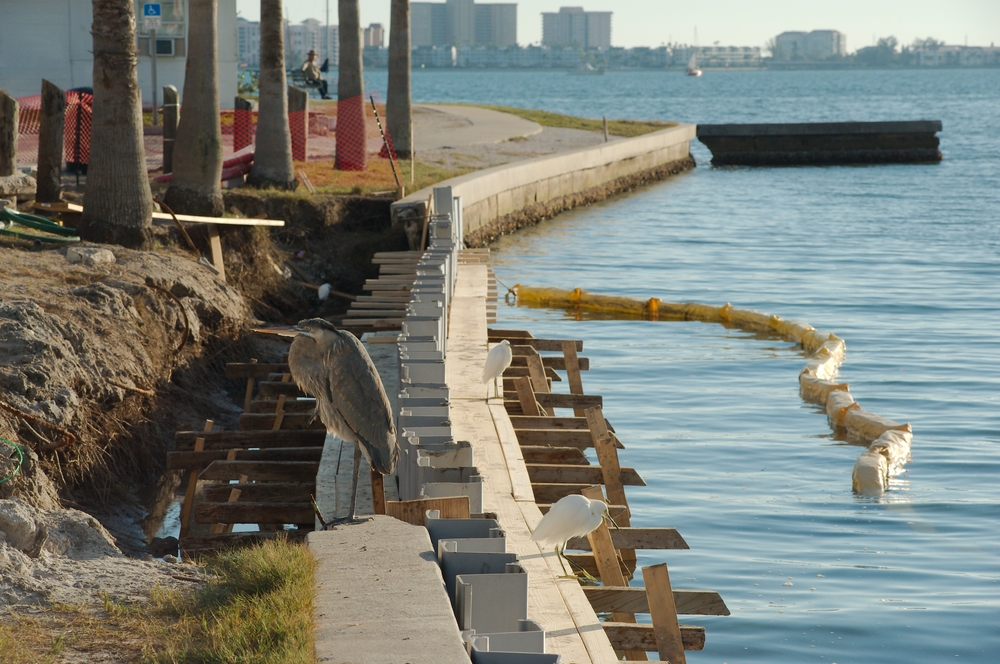
Coastal seawalls and bulkheads operate in one of the most aggressive environments in civil construction, where constant exposure to saltwater, wave energy, fluctuating tides, and soil movement places extreme stress on structural and waterproofing systems. Effective waterproofing is essential not only to prevent water intrusion but also to protect structural elements from corrosion, erosion, and premature failure. Modern coastal projects rely on a combination of material selection, construction sequencing, and detailing strategies to ensure long-term durability under harsh marine conditions.
Understanding Water Intrusion in Coastal Structures
Hydrostatic Pressure and Tidal Fluctuations
Seawalls and bulkheads are continuously subjected to hydrostatic pressure from retained soil and surrounding water. In tidal zones, this pressure fluctuates throughout the day, forcing water into joints, cracks, and construction interfaces. Over time, repeated wetting cycles accelerate deterioration of concrete and steel elements if waterproofing systems are insufficient or improperly detailed.
Saltwater Exposure and Material Degradation
Saltwater intrusion introduces chlorides into concrete and steel components, significantly increasing the risk of reinforcement corrosion. Once corrosion begins, expansive forces develop within concrete, leading to cracking and spalling. Proper waterproofing reduces chloride migration and limits direct exposure of structural materials to aggressive marine conditions.
Common Waterproofing Approaches for Seawalls
Sheet-Applied Waterproofing Systems
Sheet-applied membranes are widely used in seawall and bulkhead construction due to their consistent thickness and predictable performance. These systems are typically installed on the soil side of the structure prior to backfilling, creating a continuous barrier against water ingress. In many coastal applications, sheet-applied waterproofing membranes are selected for their resistance to saltwater, soil chemicals, and mechanical damage during installation.
When properly installed, these membranes help control lateral water movement and reduce hydrostatic pressure on the structural wall. Seams and penetrations must be carefully detailed to maintain continuity, particularly around tiebacks, anchors, and drainage elements.
Fluid-Applied Waterproofing Solutions
Fluid-applied waterproofing systems are often used where complex geometries or irregular surfaces make sheet membranes difficult to install. These systems form a seamless barrier when cured, eliminating laps that could become leak paths. In seawall rehabilitation projects, fluid-applied systems are commonly used to supplement existing barriers or address localized leakage.
Proper surface preparation is critical for fluid-applied systems, especially in marine environments where moisture and surface contamination are common. Curing conditions must also be closely monitored to ensure full performance.
Drainage Integration in Coastal Waterproofing
Relieving Hydrostatic Pressure
Waterproofing systems alone are not designed to withstand continuous hydrostatic pressure without support from drainage components. Weep holes, drainage mats, and collector pipes are often integrated behind seawalls to redirect water away from the structure. This reduces long-term stress on waterproofing layers and minimizes the risk of membrane failure.
Drainage design must account for tidal backflow and potential clogging from marine sediments. Proper filtration layers are essential to maintain long-term functionality.
Managing Backfill Materials
The choice of backfill material directly affects waterproofing performance. Free-draining granular backfill reduces water retention and limits sustained pressure against the wall. Poorly graded or fine soils can trap moisture and compromise even high-performance waterproofing systems.
Waterproofing for Different Seawall Construction Types
Concrete Seawalls and Cast-In-Place Bulkheads
Concrete seawalls require waterproofing strategies that address shrinkage cracking, cold joints, and construction penetrations. Pre-applied membranes are often used in new construction to form a bonded barrier between the concrete and surrounding soil. These systems limit water migration even if minor cracking occurs over time.
In many projects, contractors rely on pre-applied waterproofing systems to protect concrete walls during both the curing phase and the structure’s service life, particularly in high groundwater conditions.
Steel Sheet Pile and Combo Wall Systems
Steel sheet pile walls present unique waterproofing challenges due to interlock joints that can allow water passage. Sealants, waterstops, and coatings are commonly applied to interlocks to reduce leakage. In higher-performance applications, secondary waterproofing barriers are installed behind the wall to provide redundancy.
Corrosion protection coatings often serve a dual role by limiting both water ingress and steel degradation. These coatings must be compatible with continuous marine exposure and abrasive conditions.
Rehabilitation and Retrofit Waterproofing Strategies
Addressing Aging Coastal Infrastructure
Many existing seawalls and bulkheads were constructed without modern waterproofing standards. Rehabilitation projects frequently involve adding new waterproofing layers without fully removing existing materials. In these cases, surface-applied systems and localized injection methods are used to seal active leaks and reinforce vulnerable areas.
Careful condition assessments are necessary to identify pathways of water intrusion and determine whether full-coverage waterproofing or targeted repairs are appropriate.
Compatibility With Existing Materials
When retrofitting waterproofing systems, material compatibility is critical. New membranes and coatings must bond effectively to aged concrete or steel surfaces that may contain chlorides, moisture, or biological growth. Improper selection can lead to delamination and early failure.
Construction Quality and Long-Term Performance
Installation Practices in Marine Environments
Marine construction environments complicate waterproofing installation due to limited access, tidal schedules, and weather exposure. Sequencing must be carefully planned to protect installed materials before backfilling or immersion. Quality control measures, including seam testing and surface inspections, play a major role in long-term performance.
Maintenance and Inspection Considerations
Even well-designed waterproofing systems benefit from periodic inspection. Monitoring drainage outlets, surface coatings, and visible joints allows early identification of issues before structural damage occurs. Maintenance planning is especially important for critical infrastructure such as ports, marinas, and flood protection systems.
The Role of Integrated Waterproofing Design
Coordinating Structural and Waterproofing Systems
Successful seawall waterproofing relies on coordination between structural engineers, geotechnical teams, and construction crews. Waterproofing details must align with structural movement allowances, anchor layouts, and anticipated settlement. Integrated design reduces conflicts in the field and improves system reliability.
Planning for Service Life Expectations
Modern coastal projects are increasingly designed for extended service lives, often exceeding 50 years. Waterproofing strategies must be selected with long-term exposure in mind, accounting for climate impacts, sea level rise, and increasing storm intensity. Durable materials and redundant systems provide added resilience under evolving coastal conditions.
Waterproofing strategies for seawalls and bulkheads are a critical component of coastal project success, protecting structures from water intrusion, corrosion, and premature deterioration. By combining effective membrane systems, integrated drainage, and careful construction practices, contractors can significantly extend the service life of coastal infrastructure. As coastal environments continue to challenge traditional construction methods, well-designed waterproofing solutions remain essential for long-term performance and risk reduction.
Why is waterproofing important for seawalls and bulkheads?
It prevents water intrusion, reduces corrosion, and extends the structure’s service life in harsh coastal environments.
What are common waterproofing methods for coastal structures?
Sheet-applied membranes, fluid-applied coatings, and integrated drainage systems are commonly used to protect seawalls and bulkheads.
