






Essential Guide to Crane Rigging Components: From Wire Rope to Hardware for Marine Construction Success
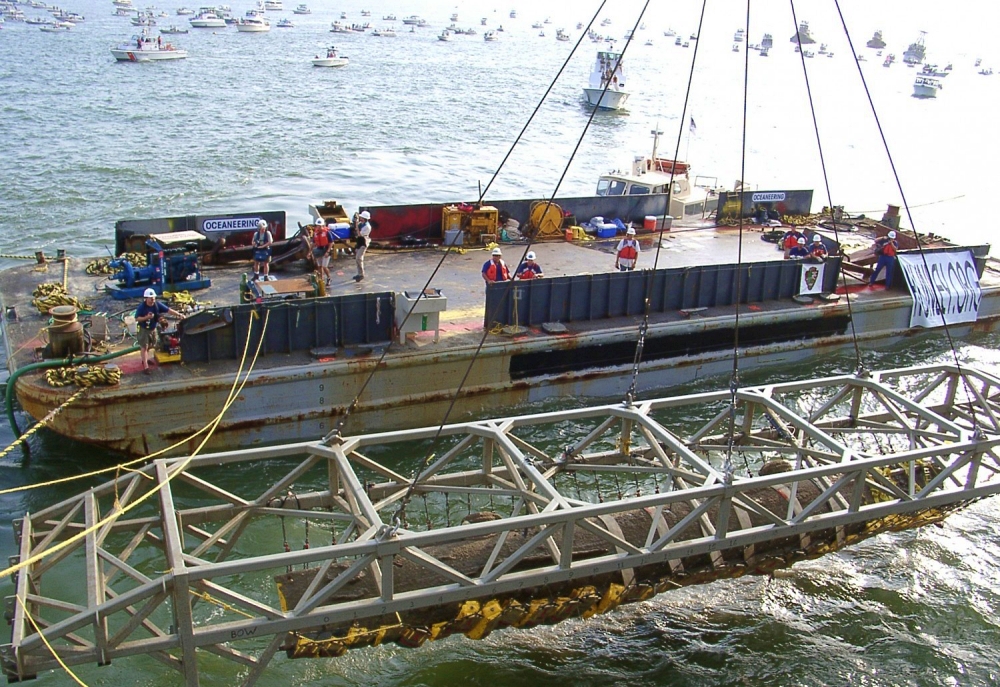
Marine construction projects depend heavily on safe and reliable crane rigging systems. From lifting piles and precast elements to positioning heavy equipment over water, every operation relies on properly selected and maintained rigging components. Understanding how wire rope, slings, and hardware work together is essential for improving safety, efficiency, and long-term project performance in marine environments.
The Role of Crane Rigging in Marine Construction
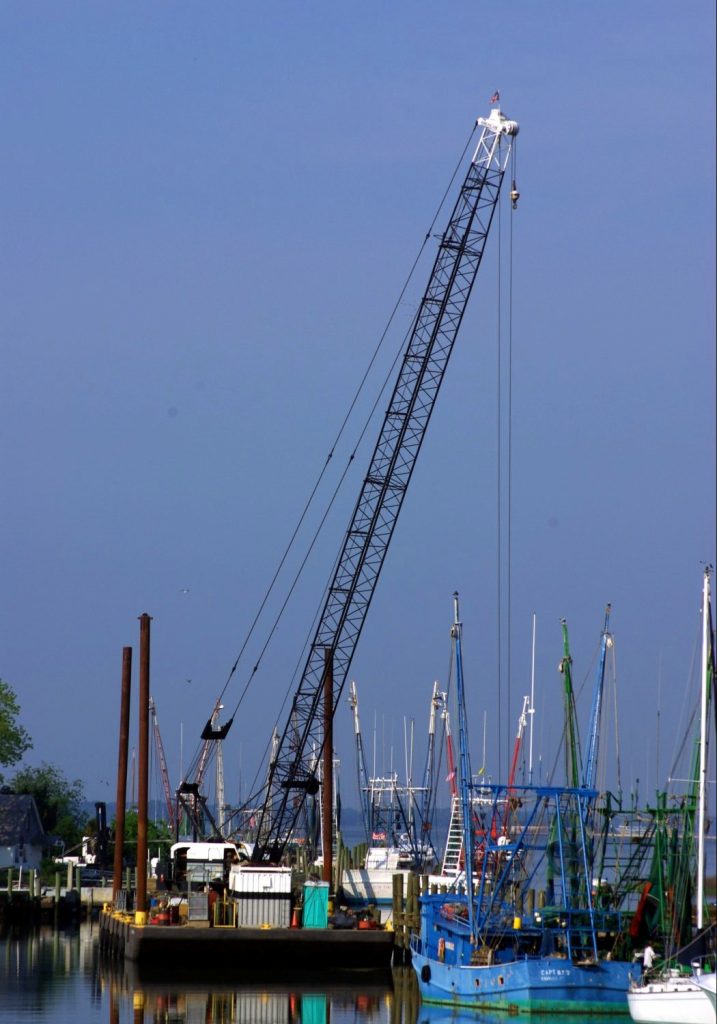
Crane rigging forms the mechanical link between lifting equipment and loads in marine construction. Unlike land-based projects, marine sites introduce added challenges such as saltwater exposure, dynamic loading from waves, and limited access for inspection or repair. These conditions place higher demands on rigging components and require careful selection based on material, construction, and rated capacity.
Marine cranes frequently handle long, heavy, or irregular loads such as steel piles, concrete segments, and cofferdam components. Proper rigging ensures load stability during lifting, minimizes shock loading, and helps prevent uncontrolled movement. Failures in rigging systems often lead to dropped loads, equipment damage, or serious safety incidents, making rigging knowledge a core competency for marine contractors.
Wire Rope Fundamentals for Marine Lifting
Wire Rope Construction and Materials
Wire rope is one of the most widely used rigging components in marine crane operations due to its strength, flexibility, and durability. It is constructed from individual steel wires twisted into strands, which are then laid around a central core. Common core types include fiber core and independent wire rope core, with the latter often preferred in heavy marine lifting due to improved strength and resistance to crushing.
Marine environments accelerate corrosion, so wire rope selection must account for protective coatings and material quality. Galvanized wire rope provides corrosion resistance through a zinc coating, while some applications use stainless steel wire rope for enhanced resistance in highly corrosive conditions. Choosing wire rope from a reputable wire rope supplier helps ensure consistent construction quality and compliance with industry standards.
Inspection and Maintenance Requirements
Wire rope used in marine construction must be inspected regularly for broken wires, corrosion, abrasion, and deformation. Saltwater exposure can cause internal corrosion that is not immediately visible, making frequent inspections critical. Industry standards typically require wire rope to be removed from service when a specified number of broken wires are present within a given length or when significant corrosion is detected.
Proper lubrication plays an important role in extending wire rope life by reducing internal friction and protecting against moisture intrusion. In marine settings, lubrication schedules may need to be more frequent than in inland projects due to constant exposure to water and humidity.
Slings Used in Marine Rigging Operations
Wire Rope Slings and Chain Slings
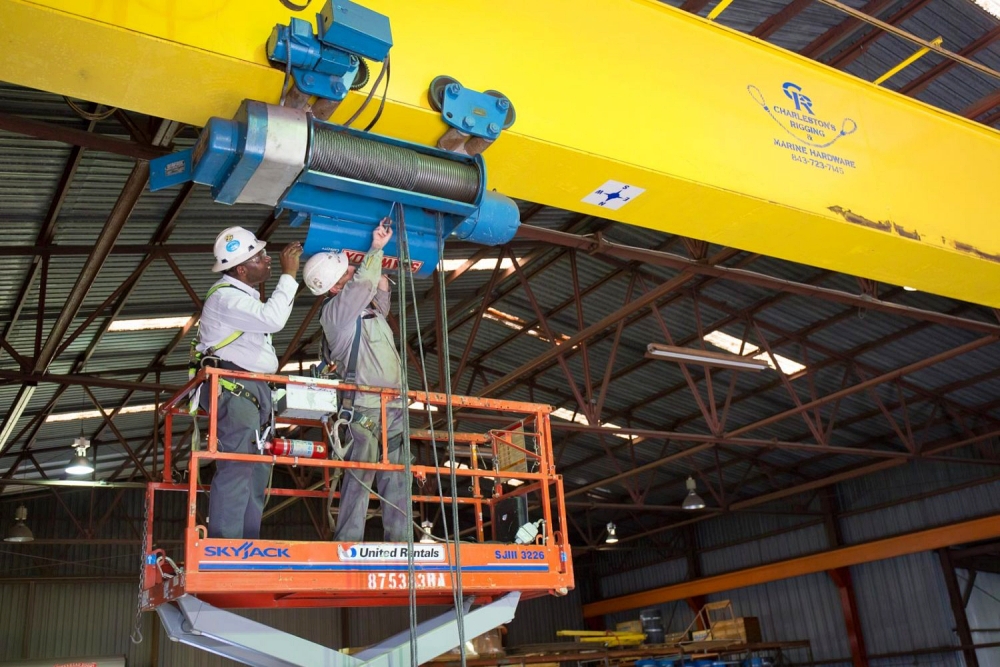
Slings connect the crane hook to the load and must be selected based on load weight, shape, and lifting configuration. Wire rope slings are commonly used in marine construction for lifting heavy or abrasive loads. They offer high strength and durability but require careful inspection for broken wires and corrosion, especially near splice points.
Chain slings are another common option, particularly for lifting steel piles or components with sharp edges. Alloy steel chain slings provide flexibility and resistance to abrasion, and individual links can often be inspected more easily than wire rope strands. Chain slings must be rated for overhead lifting and inspected for wear, elongation, or deformation before use.
Synthetic Slings in Marine Applications
Synthetic slings, such as nylon or polyester web slings, are sometimes used in marine construction for lighter loads or when surface protection is critical. These slings are resistant to moisture absorption and offer flexibility, but they are more vulnerable to cuts, UV degradation, and chemical exposure. Their use in marine environments requires careful consideration of load characteristics and environmental conditions.
Essential Rigging Hardware Components
Shackles, Hooks, and Connecting Hardware
Rigging hardware forms the connection points within a lifting system and must be selected with the same care as wire rope and slings. Shackles are commonly used to connect slings to crane hooks or lifting points on loads. Bow shackles allow for multi-directional loading, while anchor shackles are typically used for straight-line pulls.
Crane hooks, master links, and eye bolts must be rated for overhead lifting and compatible with the rest of the rigging system. In marine construction, hardware is often exposed to saltwater spray, making corrosion resistance and proper coating important considerations. Using properly rated rigging hardware ensures that load paths remain secure throughout the lift.
Below-the-Hook Devices and Accessories
Marine lifting operations often require specialized below-the-hook devices such as spreader beams or lifting frames to control load stability. These devices help distribute weight evenly and reduce bending stresses on lifted components. Accessories such as turnbuckles and hoist rings may also be used to fine-tune load alignment during complex lifts.
Selecting compatible rigging hardware and accessories reduces the risk of uneven loading and improves overall lifting control. Contractors frequently rely on experienced rigging hardware suppliers to source components that meet project-specific requirements and comply with safety standards.
Load Ratings and Safety Considerations
Understanding Working Load Limits
Every rigging component is assigned a working load limit that defines the maximum load it can safely carry under specific conditions. In marine construction, dynamic forces from wind, waves, and crane movement can increase effective loads beyond static weights. This makes conservative load calculations and appropriate safety factors especially important.
Rigging components must be matched so that no single element becomes the weak point in the system. The lowest rated component determines the maximum allowable load for the entire rigging assembly. Operators and riggers must understand these limitations to prevent overload conditions.
Compliance With Industry Standards
Marine crane rigging operations are governed by established industry standards and regulations. These standards outline inspection intervals, removal criteria, and acceptable use practices for wire rope, slings, and hardware. Compliance helps reduce risk and provides a consistent framework for safe lifting operations across projects.
Regular training and documented inspections are essential for maintaining compliance and promoting safe work practices. Many marine contractors implement rigging inspection programs to ensure components remain in serviceable condition throughout their lifespan.
Selecting Rigging Components for Marine Success
Choosing the right rigging components for marine construction requires balancing strength, durability, and environmental resistance. Wire rope selection should consider corrosion protection and construction type, while slings and hardware must be matched to load characteristics and lifting configurations. Working with experienced rigging hardware suppliers can help contractors identify appropriate solutions for complex marine lifts.
As marine projects continue to grow in scale and complexity, reliable crane rigging systems remain a critical foundation for success. Investing in quality components, proper inspection practices, and informed selection processes helps improve safety, reduce downtime, and support long-term project performance in challenging marine environments.
Wire rope must resist corrosion and handle dynamic loads from waves, wind, and vessel movement for safe lifting.
Slings, shackles, hooks, and hardware must be properly rated, inspected, and matched to prevent overload and maintain stability. Why is wire rope selection important in marine crane operations?
How do marine rigging components ensure safe lifting?
