

Floating Work Platforms: Enhancing Safety and Efficiency in Marine Pile Driving Operations
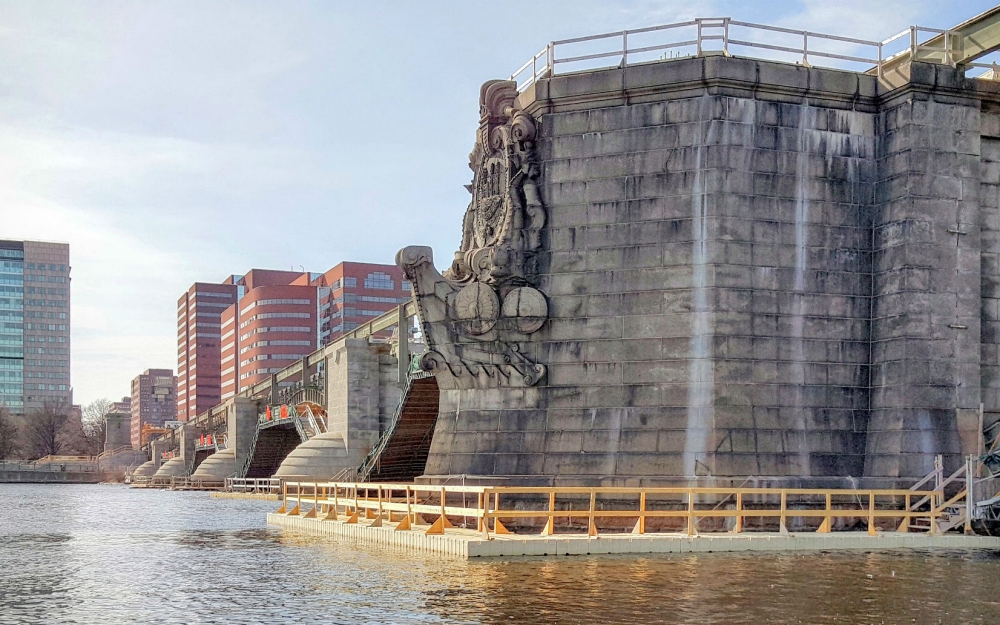
Marine pile driving operations are critical in shoreline, pier, bridge, and dock construction projects. These operations often take place over water where access is limited and traditional land based machinery cannot operate effectively. Floating work platforms provide a temporary, stable surface that allows equipment and crews to perform pile installation tasks safely and efficiently. These modular platforms have become increasingly popular in nearshore and shallow water projects because they adapt to changing water conditions and provide a controlled work area that improves workflow and minimizes risks associated with unstable or hard to access marine environments. The stable nature of floating work platforms also helps support the heavy loads and dynamic forces typical of pile driving equipment, helping contractors maintain project schedules while meeting safety requirements. By exploring how floating platforms work and why they are beneficial for marine pile driving, project teams can better understand how to optimize operations from both a productivity and safety standpoint. A well configured floating work platform solution offers significant advantages for modern marine construction projects.
What are Floating Work Platforms
Definition and Core Function
Floating work platforms are buoyant structures designed to support personnel, tools, and machinery over water during construction, maintenance, and installation activities. They can be assembled from modular pontoons or dock sections that link together to create a work surface sized for specific project needs. Unlike fixed structures, these platforms move with the water level and can be positioned directly above a worksite, providing direct access to piles and foundations without the need for extensive temporary infrastructure. In marine pile driving, the ability to tailor the size and configuration of a floating platform helps contractors manage load distribution and maintain balance under dynamic operating conditions. Because these systems are engineered to remain stable under changing water and load conditions, they often serve as a preferred solution for jobs where traditional barge based platforms are limited or impractical. Sources within the marine construction industry show that floating dock style platforms are frequently used as temporary bases for pile driving in shallow and restricted water environments.
Structural Elements and Load Support
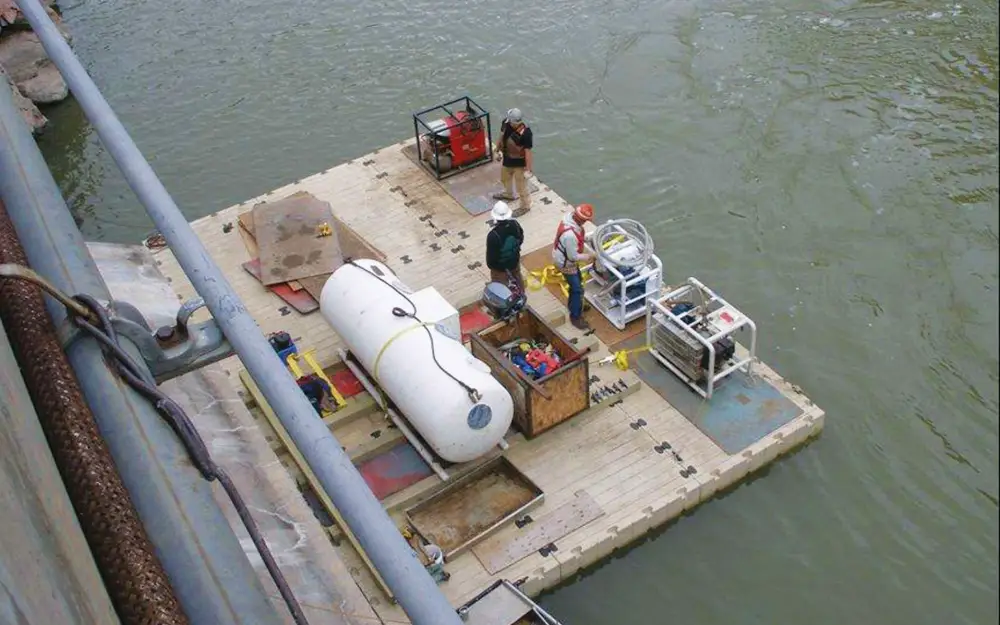
At their core, floating platforms consist of buoyant pontoons or floats, deck surfaces, and optional anchoring or spud systems. The pontoons are sized and engineered to support vertical loads without compromising stability. A properly configured floating platform distributes equipment and personnel weight evenly across its surface to prevent excessive movement or tilting during operations. Anchoring systems secure the platform relative to a fixed point on the seabed or to guide piles that hold the platform in position. These features help ensure that marine drilling and pile driving equipment operate within safe stability thresholds. Floating platforms designed for industrial use often integrate reinforced frames that support pile hammers, leads, cranes, and other heavy machinery. By controlling load distribution and movement, contractors can work with greater precision and efficiency, reducing the likelihood of alignment errors during pile installation.
Enhancing Safety in Marine Pile Driving
Reducing Risk Through Stable Work Surfaces
Safety is always a primary concern in marine construction. Work over water introduces inherent hazards such as slips, trips, falls, and drowning risks, all of which are heightened when the work surface is unstable or unpredictable. Floating work platforms reduce these risks by providing a broad, stable surface where workers and machinery can operate with fewer interruptions caused by water motion. When designed and installed correctly, these platforms minimize the need for personnel to transfer repeatedly between small boats or unstable surfaces, helping lower the risk of accidents. Stable decking with non slip surfaces and the ability to integrate fall protection systems further enhances on site safety. In addition, platforms can be outfitted with safety features such as designated access points and perimeter barriers that reduce accidental contact with open water zones.
Compliance with Marine Safety Standards
Floating work platforms also facilitate better compliance with safety standards set by regulatory authorities. Marine construction projects must adhere to guidelines from organizations that oversee occupational safety and maritime operations. These regulations cover issues such as personal protective equipment use, fall prevention, and safe access to work areas above water. A well engineered floating platform helps crews comply with safety requirements by providing predictable surfaces and secure working conditions. This reliable work environment allows project managers to implement safety protocols with greater confidence, reducing the likelihood of costly injuries or compliance violations. Working from a stable platform also helps crews respond more effectively to emergency situations when they arise.
Improving Operational Efficiency
Streamlining Equipment Access
Efficient marine pile driving depends on the ability to position equipment, materials, and personnel in the most effective configuration for the job. Floating work platforms serve as centralized staging areas, enabling crews to place tools and machinery exactly where they are needed. This eliminates time consuming transfers between boats and reduces downtime waiting for equipment repositioning. With direct access to pile locations, crews can complete installation tasks faster and with fewer interruptions, helping projects stay on schedule. Many platforms support the use of pile driving rigs and cranes that can be operated directly from the deck surface, further reducing logistical challenges.
Versatility in Complex Marine Environments
Marine work environments vary significantly, from calm inland waters to coastal and tidal zones with currents and waves. Floating platforms are adaptable to these differing conditions because they rise and fall with water levels and can be anchored or guided to limit lateral motion. This adaptability makes them suitable for a wide range of project types, including nearshore foundation work, boardwalk construction, and temporary installations in environmentally sensitive areas. Platforms configured for pile driving allow workers to position heavy equipment precisely where it is needed without constructing costly temporary access infrastructure. This flexibility helps contractors reduce project costs, optimize resource allocation, and complete work faster and with fewer disruptions to the surrounding environment.
Environmental Benefits
Minimizing Seabed Disturbance
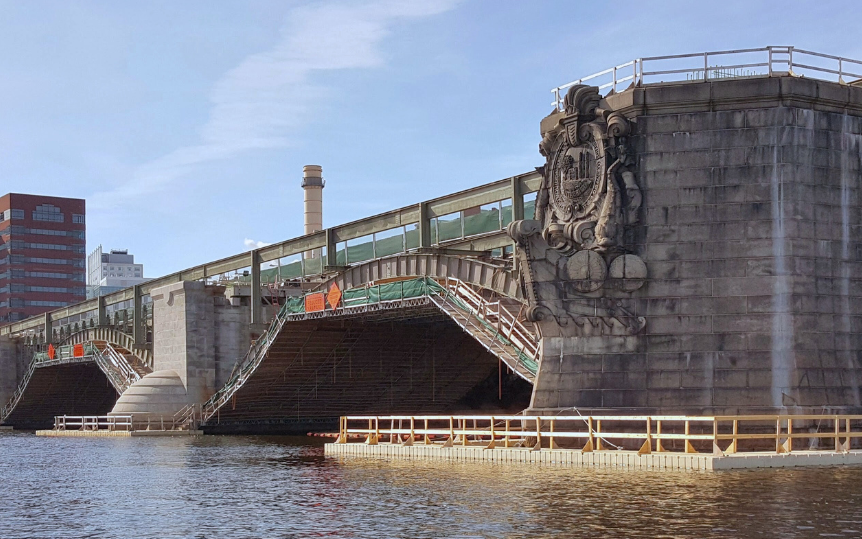
Construction projects over water can disrupt marine habitats and seabed conditions, particularly when heavy equipment travels over soft ground. Floating work platforms help reduce direct contact with the seabed because they remain buoyant and anchored above it rather than resting on or disturbing the bottom. This can make permitting and environmental compliance easier, especially for work in protected waterways or sensitive ecosystems. Because the platform floats, there is no need for temporary causeways, fill, or heavy machinery that might cut into the seabed or require dredging. Contractors working in areas with strict environmental requirements often prefer floating solutions for this reason.
Supporting Sustainable Construction Practices
From a sustainability perspective, using floating platforms can also reduce the fuel consumption and carbon emissions associated with repeated equipment transport across water. Centralized staging areas reduce the number of equipment movements required, helping teams lower operational waste and environmental impact. By optimizing how crews and machinery access work zones, teams can complete projects with fewer total hours on the water and less disturbance to shoreline vegetation and aquatic life.
Floating work platforms have emerged as a reliable and efficient solution for enhancing safety and productivity in marine pile driving operations. By providing a stable, adaptable work surface that supports heavy equipment and personnel, these platforms enable crews to perform complex tasks in challenging water environments. They support regulatory compliance, minimize environmental impact, and contribute to streamlined workflows that help projects finish on time and within budget. For contractors and project managers looking to elevate their approach to marine pile driving, allocating resources toward a floating platform system can be a strategic investment that improves both operational outcomes and site safety.
They provide a stable, buoyant surface for crews and equipment to safely perform pile installation over water.
They improve safety, operational efficiency, and environmental compliance while supporting heavy loads in variable water conditions. What are floating work platforms used for in marine pile driving?
How do floating platforms benefit marine construction projects?
