


Elevating Marine Projects with High-Strength Rope Solutions
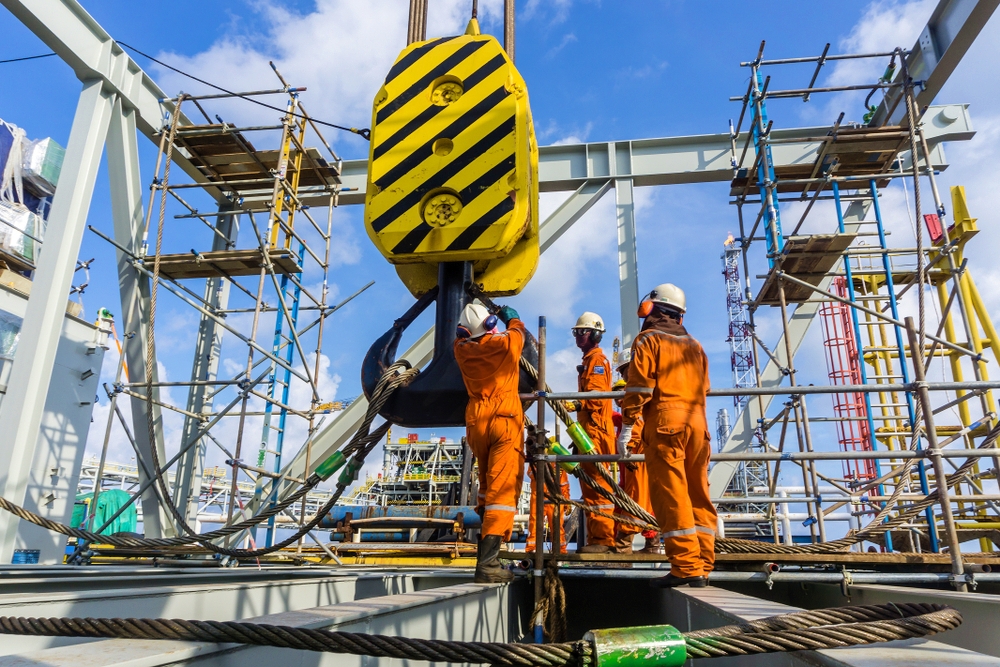
Marine construction projects rely on equipment and materials that can perform under extreme conditions. High strength rope systems play a central role in lifting, mooring, towing, and securing operations, and each application demands predictable performance supported by verified engineering data. As modern marine sites introduce heavier loads and more complex structures, the quality of rigging systems becomes more important. Many contractors rely on trusted marine rigging equipment providers to ensure consistent strength, abrasion resistance, and operational reliability during long cycles of demanding work.
The Role of High Strength Rope in Marine Construction
Importance Oof Consistent Working Load Limits
Ropes used for marine tasks must deliver stable working load limits that meet project specifications. Synthetic fibers such as polyester and HMPE are known for predictable strength retention when exposed to water, salt, and long term UV exposure. These materials are commonly selected for lifting, positioning, and station keeping work where a dependable ratio between minimum breaking load and allowable working load is essential. Engineers review published data from manufacturers and compare laboratory tested ratings with field performance to ensure that selected ropes match the load patterns expected across multiple operations.
Improvements in Abrasion Resistance
Abrasion is a major cause of premature rope wear in marine projects. Contact with deck surfaces, fairleads, and sharp structural edges can gradually reduce fiber strength. Advances in coating technologies have helped improve resistance during repetitive use. Surface treatments for HMPE and polyester provide additional protection by reducing fiber on fiber friction and preventing external particles from working into the rope structure. These treatments are widely documented by material suppliers and have been used across towing, mooring, and heavy lift operations where abrasion resistance is essential for worker safety and asset protection.
Selecting Rope Types For Marine Applications
HMPE for High Load Operations
High modulus polyethylene ropes are known for their high strength to weight ratio and relatively low elongation. They are often chosen for critical lifting tasks because they can match the strength of steel wire ropes at a fraction of the weight. In marine environments, reduced weight improves handling efficiency and lowers the physical strain on crews. HMPE ropes have been used for winch lines, crane rigging, and anchor handling systems where reduced stretch helps maintain stable load paths during dynamic motions. Their performance characteristics are supported by extensive testing data from fiber producers and rigging manufacturers.
Polyester for Mooring And Station Keeping
Polyester ropes are preferred for mooring lines because of their predictable elongation behavior, strong performance under cyclic loading, and resistance to water absorption. Studies have shown that polyester retains much of its strength even after extended immersion in saltwater. This makes it suitable for permanent or semi permanent mooring systems. When multiple mooring lines are engaged at once, polyester’s higher stretch compared to HMPE helps absorb wave energy and reduces shock loading on hardware, making it a reliable option for floating structures and vessels positioned near pile supported marine work platforms.
Nylon for Energy Absorption Needs
Nylon ropes are commonly used where energy absorption is critical. Their ability to stretch under load helps reduce peak forces generated by sudden movements during towing or recovery work. Published technical data confirms that nylon maintains excellent shock absorption capabilities, although it does absorb water, which can slightly reduce its strength. Because of this, nylon is often applied in hybrid rigging systems where shock absorption is needed but primary load carrying is supported by polyester or HMPE components. Contractors review manufacturer data sheets that outline expected strength reductions and appropriate safety factors when nylon is exposed to long term marine conditions.
Best Practices for Rope Use in Marine Construction
Importance Of Regular Inspection
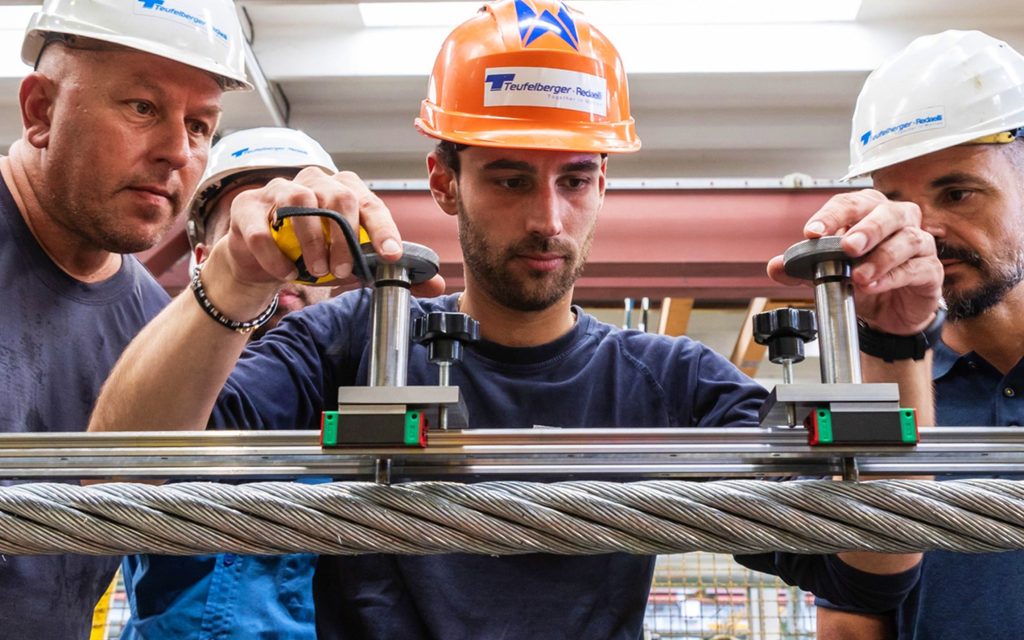
Marine contractors follow rigorous inspection schedules to evaluate rope integrity. Visual checks help identify external abrasion, UV damage, cut fibers, and embedded debris. Documentation from rigging manufacturers emphasizes that internal inspection is just as important. Opening the rope to examine the core can reveal hidden issues created by overloading or repeated bending around small radius hardware. Inspection intervals are often determined by industry standards and site specific requirements, with frequency increasing on projects involving repetitive lifting, high tension mooring, or abrasive surfaces.
Improving Rope Handling and Storage
Proper handling extends rope life. Marine workers are trained to avoid dragging ropes across rough surfaces and to use fairleads and rollers that meet recommended bend radius guidelines published by manufacturers. Storage practices also influence long term durability. Synthetic ropes are typically stored away from direct sunlight and chemical exposure, and moisture is managed to prevent microbial growth in certain materials. When moving from one operation to another, crews often wash ropes to remove salt crystals that could otherwise contribute to internal abrasion.
Applications That Depend on High Strength Rope
Heavy Lift and Pile Driving Support
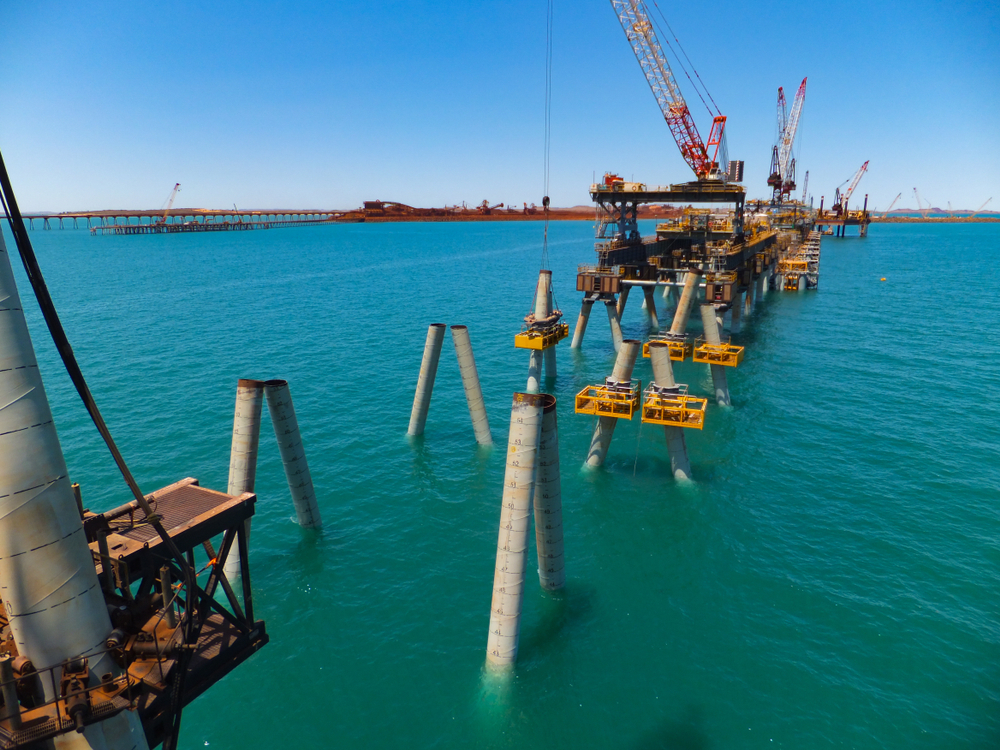
Ropes play an essential role in supporting heavy lift barges and pile driving equipment. Crane lines built from HMPE are used for controlling hammer positioning, guiding leads, and managing support loads across floating platforms. Contractors rely on verifiable breaking strength data to match rope systems with the lifting charts provided for marine cranes. In addition, polyester and HMPE lines help secure barges in position during pile installation, reducing drift caused by wind and current.
Towing and Vessel Assistance
Marine towing requires rope systems that can maintain integrity during dynamic loading. Abrupt movements caused by vessel acceleration or wave motion introduce variable forces that must be absorbed or distributed evenly across the rope. Nylon and polyester are commonly selected for towing bridles and towlines because their elongation properties help smooth out rapid load transfers. Technical studies confirm that these fiber materials maintain consistent performance when properly sized according to safe working load guidelines.
Mooring Support for Floating Structures
Floating walkways, temporary work platforms, and access pontoons rely on mooring systems built from high performance rope. These systems help maintain safe working conditions by reducing movement during construction. Mooring layout is typically designed with reference to published data on elongation, creep behavior, and fatigue life. Polyester is often chosen because it offers a balance between strength and controlled stretch, while HMPE may be introduced in hybrid systems where low stretch lines can manage primary loads. Contractors planning new mooring systems often review available specialty rope solutions to select products that match long term performance requirements.
HMPE is ideal for heavy lifts, polyester for mooring, and nylon for energy absorption and shock loads.
Regular inspection, proper handling, and correct storage away from sunlight, chemicals, and moisture extend rope life. What types of high strength ropes are best for marine construction?
How can marine ropes be maintained for long-term reliability?
