

Helical Piles for Seawall Stabilization in Erosion Prone Coastal Areas
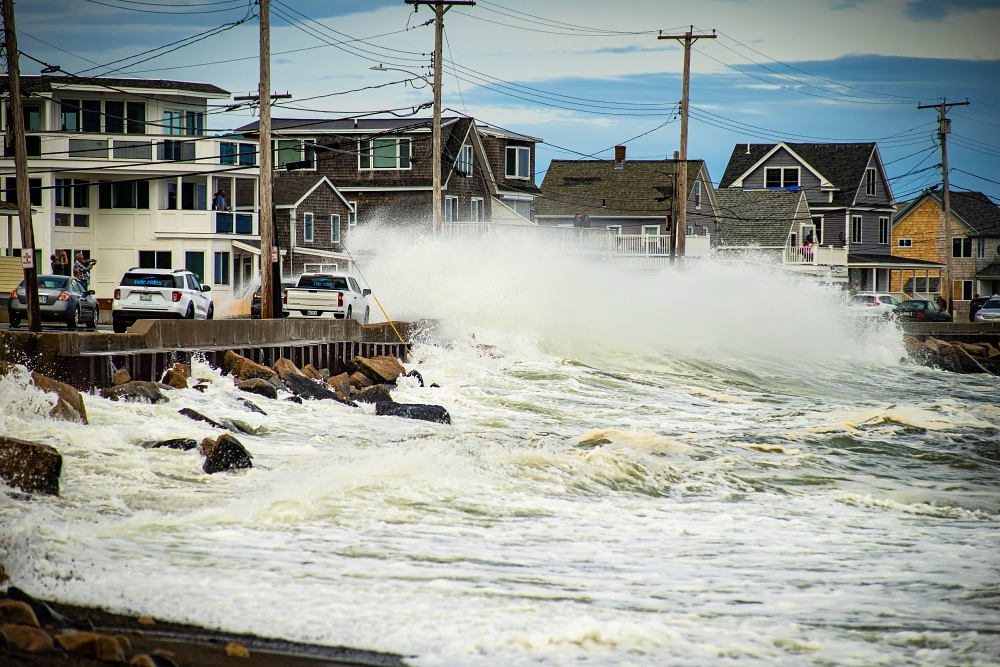
Coastal regions face continuous forces that weaken soil and structural integrity over time. Waves, tides, and storm surges gradually remove soil from behind seawalls, which leads to loss of support and eventual movement or failure of the structure. High water tables and saturated soils further reduce bearing capacity. In many locations the upper soil layers near the shoreline are soft, unconsolidated, or loose, making them especially vulnerable to erosion. When a seawall or bulkhead begins to tilt or settle, the underlying cause often traces back to unstable soil conditions that cannot resist the long term hydraulic forces of the coastline.
Traditional methods such as driven concrete piles or cast in place footings often require stable soils for proper performance. Coastal soils are rarely uniform and are often saturated or prone to scour. Installing concrete foundations in these conditions can take significant time and may require curing periods, dewatering, or extensive excavation. Heavy equipment can also disturb surrounding areas and accelerate erosion. For homeowners, contractors, and municipalities working under tight environmental restrictions, these challenges make it difficult to apply conventional foundation solutions. A flexible system that installs quickly and adapts to unpredictable marine soils is often more suitable.
How Helical Pile Solutions Work
The Principle of Screw In Foundations
Helical piles consist of a steel shaft fitted with one or more helical plates that allow the system to be rotated into the ground like a large screw. Once the helix plates engage deeper, competent layers, the pile transfers structural loads into stable soil. Installation uses hydraulic torque rather than impact driving, which reduces vibrations and prevents additional disturbance of already fragile shoreline soils. With proper torque and depth, the pile can be loaded immediately, which is important when working in areas exposed to tides or active erosion.
Advantages in Coastal Environments
Helical piles provide stability in conditions where soils are saturated, weak, or mixed. Since installation requires little excavation, the shoreline remains more intact, preserving natural soil structure and reducing the chance of further erosion during construction. The low noise and low vibration process is useful in residential coastal zones and in environmentally regulated areas. Their ability to resist both vertical and lateral forces makes them suitable for retaining structures subjected to wave energy, changing water levels, and varying soil pressures.
Adaptation to Soft Soils and Marine Conditions
Soft or loose shoreline soils can undermine seawalls over time. Helical foundations reach deeper layers that are not impacted by surface level erosion. By using plates of different diameters or spacing, engineers can tailor the piles to specific soil profiles. Studies have shown that helical systems can reduce settlement and improve load distribution, offering greater resilience in environments where soil conditions shift seasonally or after storms. This combination of adaptability and performance is why helical piles have become increasingly common in marine and nearshore infrastructure.
Applying Helical Piles for Seawall Stabilization
Site Assessment and Design Considerations
Before installation, engineers evaluate soil profiles, groundwater levels, scour depth, and expected lateral pressures. Coastal zones often contain layers of sand, silt, or clay that vary in strength, and each layer affects the required depth and diameter of the helix plates. The design must account for the retained soil behind the seawall, surcharge loads from structures or vehicles, and forces generated by waves and tides. Determining the correct alignment and spacing of piles is critical for long term performance, especially in waterfront properties with limited access.
Installation and Immediate Benefits
Installation involves rotating each pile into the ground using hydraulic equipment until the required torque indicates suitable bearing capacity. Because there is minimal excavation and no need for concrete curing, stabilization can occur quickly. Brackets or connectors attach the piles to the seawall, tying the structure to deep stable soil. This approach reduces movement, improves resistance to lateral forces, and restores structural integrity. For locations with active erosion or storm exposure, immediate load capability is a major advantage.
Long Term Performance and Maintenance
Once installed, helical piles typically require limited maintenance. Galvanized or coated steel options help resist corrosion in marine environments. The reduced soil disturbance during installation preserves much of the natural shoreline stability. Over time, the deep anchoring effect helps the seawall resist sliding, overturning, and forward rotation. Many marine contractors and engineers highlight helical systems for their efficiency, cost effectiveness, and long service life in coastal applications.
Why This Approach Matters for Erosion Prone Coastal Zones
Minimising Soil Disturbance and Preserving Shoreline Integrity
Erosion prone areas benefit from foundation systems that do not require removing large amounts of soil. Since helical piles simply rotate into the ground, they maintain the shoreline’s existing structure. This is especially helpful in areas where removing soil can lead to sudden loss of support or accelerate bank failure. The preservation of soil structure plays a significant role in preventing future erosion.
Reducing Construction Time and Environmental Footprint
Helical systems install quickly and often require smaller equipment compared to driven piles or concrete footings. This makes it easier to work in tight residential waterfronts or environmentally sensitive locations. Faster installation also reduces the amount of time the site is exposed to tides or storms. Many coastal projects rely on efficient construction methods to minimize risk during the installation phase.
Enabling Sustainable Coastal Infrastructure
Modern shoreline protection efforts prioritize solutions that balance durability with reduced environmental impact. Helical piles require fewer materials and create less waste. Their adaptability allows engineers to optimize the system for performance without unnecessary excavation or imported fill. For communities focused on long term coastal resilience, helical foundations offer a practical and sustainable choice.
Realising the Solution on Your Project
Contractors and engineers experienced in marine foundation work can assess whether helical piles are appropriate for your seawall. They examine soil conditions, erosion patterns, loading requirements, and site access. For more complex shoreline conditions, many engineers rely on a helical pile foundation that can reach deeper, more competent layers without disturbing the surrounding soil. Once a design is finalized, installation can proceed with minimal disruption to nearby structures and sensitive coastlines.
Property owners in erosion prone regions often benefit from a coastal helical anchoring system that provides long term stability even when near surface soils continue to shift or settle. By reinforcing the seawall with deep foundations, the structure gains the strength required to withstand hydraulic forces while maintaining its alignment. This reduces repair costs, improves safety, and extends the life of the shoreline infrastructure.
With proper engineering oversight and high quality installation, helical pile systems help stabilize seawalls, prevent erosion related failures, and protect both private and municipal coastal assets for years to come.
Helical piles anchor seawalls into deep, stable soil to prevent movement and resist erosion in soft or saturated coastal soils.
They install quickly with minimal excavation, reduce soil disturbance, and provide immediate structural support. Why are helical piles used for seawall stabilization?
What are the benefits of helical pile installation in coastal environments?
