


A steel pipe pile quotation is useful only when the buyer understands what the supplier has priced. Two offers can describe similar pipe while covering different lengths, fabrication work, documentation, and delivery responsibilities. A clear request for quotation, or RFQ, establishes the purchasing requirements before prices arrive. For contractors and estimators, the task is to turn the project’s specified pile requirements into a supply package that each bidder can understand and price consistently.
Start With the Project Documents
Build the enquiry around the applicable drawings, specifications, and material schedule. Identify the document revisions so suppliers receive the same information, and include details that affect the supplied pipe. If the drawings and material schedule disagree, seek clarification before asking bidders to price different interpretations.
Define whether the request covers material supply alone or additional work. Cutting, end preparation, shop attachments, coatings, transport, and unloading can each change the scope. Installation, concrete filling, and reinforcement also need clear responsibility when they form part of a broader foundation package. The quotation should make these boundaries visible to everyone reviewing it.
An estimator can use the material schedule as the backbone of the enquiry, with drawings supplying the detail that a short item description cannot capture. Keep the requested processing and delivery information alongside that schedule so the supplier can review the complete requirement. If a clarification changes the material description or scope, communicate the revised requirement to the bidders whose proposals are being compared. Ask each supplier to identify the enquiry revision covered by its offer. This gives the purchasing team a way to trace a quoted item back to the requirement and identify where a later clarification changes the original purchasing basis.
Describe the Pipe Precisely
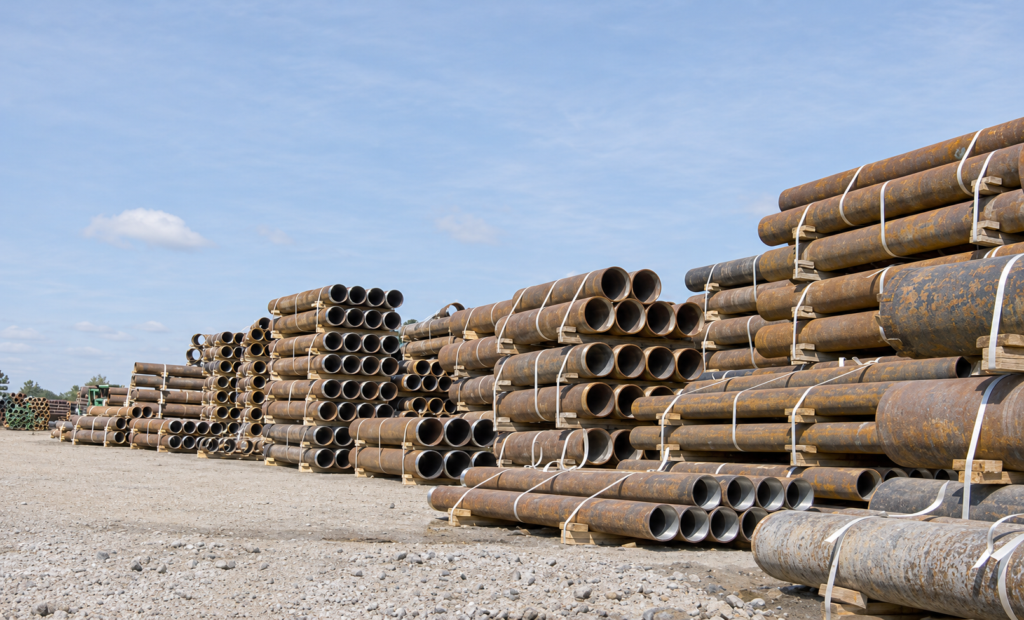
State the specified outside diameter, wall thickness, steel grade, product standard, and required lengths. Identify the applicable standard edition when the project documents prescribe one. ASTM A252/A252M covers welded and seamless cylindrical steel pipe piles used as permanent load carrying members or shells for cast in place concrete piles. The RFQ should communicate the project’s actual requirements within that framework.
Keep dimensions and quantities unambiguous. Give the number of pieces and lengths required, or provide the material schedule used for the enquiry. Where different pile groups require different sections, keep those requirements identifiable. Ask suppliers to confirm the quoted quantity and explain any proposed changes to supplied lengths.
State the manufacturing route when the specification restricts it, and identify any specified dimensional tolerances. A proposed alternative needs written clarification and the applicable approval before it becomes the purchasing basis. A catalogue description alone provides insufficient detail to establish compliance with a particular project’s material requirements.
Include End Details and Fabrication
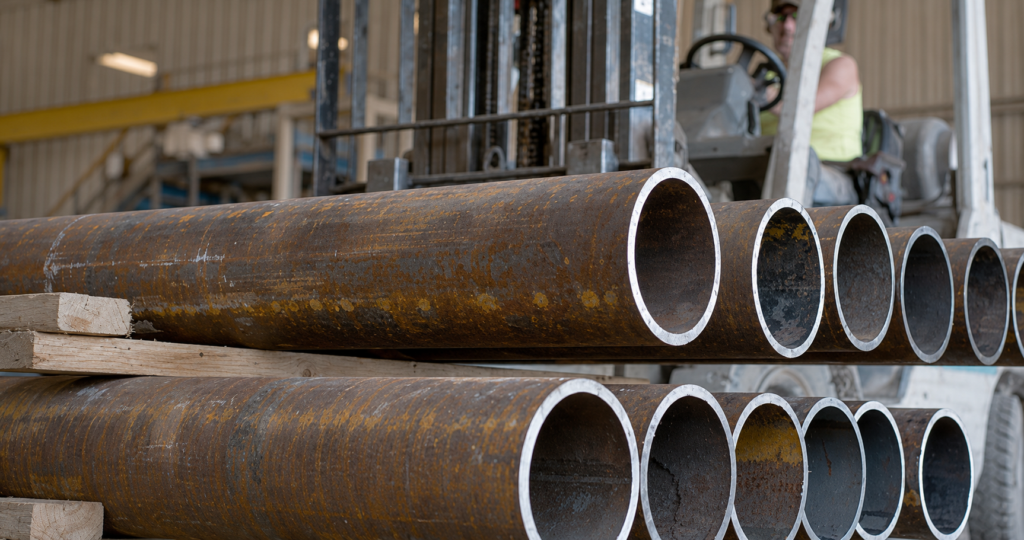
Pipe pile supply can involve more than delivering lengths of steel. The required end condition, pile shoes, closure plates, and splice components should be described using the applicable drawings and specifications. Identify which attachments must arrive fitted and which will be installed in the field. This allows the supplier to price the requested work and helps the contractor identify remaining site responsibilities.
Include coating requirements and other specified preparation in the same package. If an offer excludes a required attachment or fabrication operation, obtain a separate price or a revised quotation covering it. An empty quotation line needs clarification before the buyer can establish the complete supply cost.
Establish Documentation Requirements Early
State the required material certificates, mill test reports, inspection provisions, and other project documentation before quotations are prepared. Requirements should follow the governing specification and purchasing documents. Where testing or inspection participation is specified, ask the supplier to identify the included activities and the party responsible for carrying them out.
For pipe supplied with points or splice attachments already installed, confirm that the required documentation covers the accessories and associated welding materials as applicable. Keep document requirements connected to the items being purchased. Clarifying those requirements during the enquiry gives both parties a defined basis for pricing and reviewing the material package.
Confirm Availability and Delivery Responsibilities
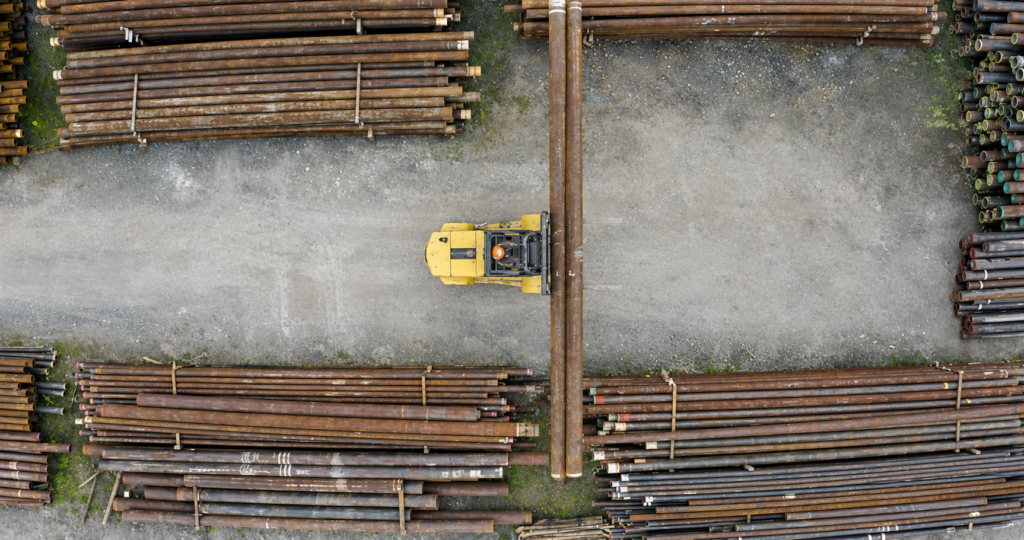
Give suppliers the delivery destination, required dates, and any planned shipment sequence. Include known restrictions affecting truck access, unloading space, storage, and handling. Delivery lengths should be considered alongside the site’s lifting and staging arrangements. These details help suppliers address transport requirements for the actual material being requested.
Ask what the quoted lead time measures. A period beginning after drawing approval may produce a different arrival date from one beginning at order placement. Confirm whether the supplier’s stated date refers to manufacturing completion, readiness for shipment, or arrival at the project. For phased work, identify the quantities needed for each delivery.
When sourcing steel pipe and piling materials, provide the required material schedule and fabrication details together. Ask suppliers to confirm availability for the enquiry, including any processing required before shipment. Their responses should distinguish available material from outstanding work and clarify how those operations affect the proposed delivery date.
Compare the Complete Quoted Scope
First establish whether each proposal addresses the requested material and quantities. Record departures from the RFQ and obtain written responses to unanswered questions. A price comparison becomes useful once the buyer understands which offers satisfy the specified requirements and what additional work each would leave to others.
Then check the pricing units and quantity basis. An offer priced by weight requires clarification of the weight basis, while a price per foot or per piece needs the corresponding supplied lengths and quantities. Bring the offers to a consistent comparison basis using the supplier’s stated figures and confirmed scope.
Review freight, handling, accessories, fabrication, and other required items alongside the material price. Identify costs already included and obtain prices for required exclusions. Keep unresolved charges visible until they are confirmed. Check currency, quotation validity, payment terms, and delivery responsibilities before drawing a purchasing conclusion from the quoted total.
Resolve Qualifications Before Ordering
Close the evaluation with written clarification of outstanding technical and commercial points. Retain the relevant quotation revision and any accepted changes to the supply package. Confirm the material description, quantities, documentation, processing, delivery sequence, and responsibilities in the purchase order. This gives the contractor and supplier a record of what was agreed and a basis for reviewing the material and documents when they arrive.