
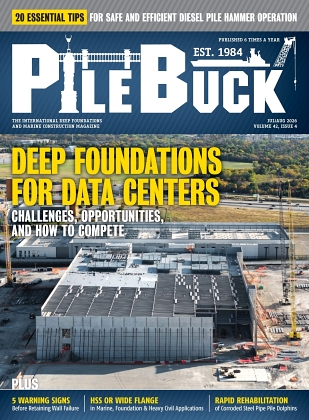



Foundation Risk on Data Center Projects: Why More GCs Are Switching to Helical Piles
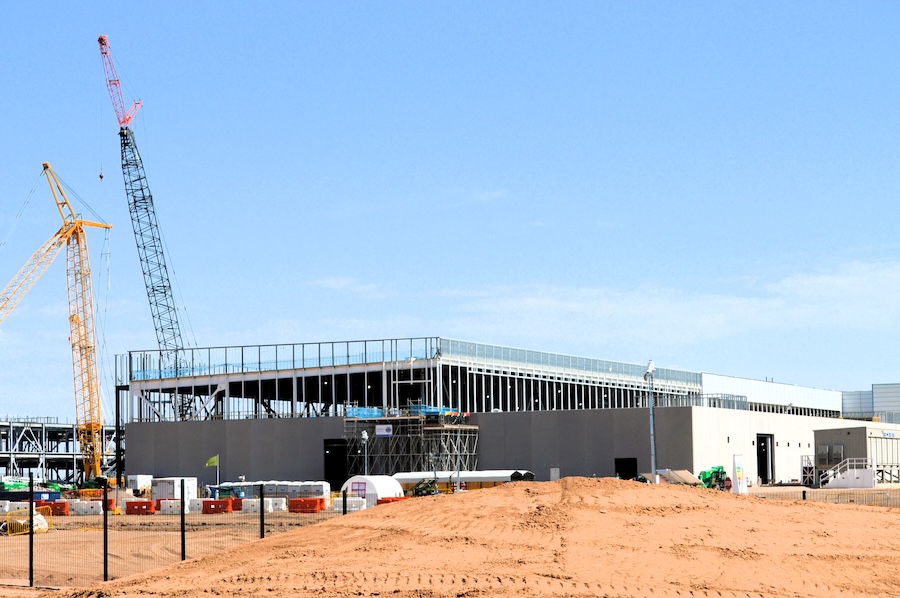
Data center projects leave very little room for foundation problems. Schedules are aggressive, loads are high, and any delay or unexpected issue on the ground can cascade into millions in lost time and liquidated damages.
As a result, more general contractors are moving away from traditional deep foundation methods and toward helical piles on data center work. Here are the main reasons why.
1. Schedule certainty is harder to achieve with traditional methods. Driven piles and drilled shafts are still effective—but they are more vulnerable to weather, equipment availability, and production variability. Helical piles can often be installed faster and with more predictable daily production rates. On projects where every week of foundation time matters, that consistency is becoming a deciding factor.
2. Vibration and site disruption carry higher risk. Many data centers are built next to existing facilities or in areas with sensitive neighbors and equipment. Impact-driven piles can create vibration concerns that force slower production or additional monitoring. Helical piles are installed with torque rather than impact, significantly reducing vibration and allowing work to continue with less disruption.
3. Capacity is more verifiable in real time. Helical piles provide immediate feedback through installation torque. GCs and engineers can confirm capacity as each pile is installed rather than waiting on later testing or dealing with underperforming elements after the fact. This reduces the chance of late-stage surprises.
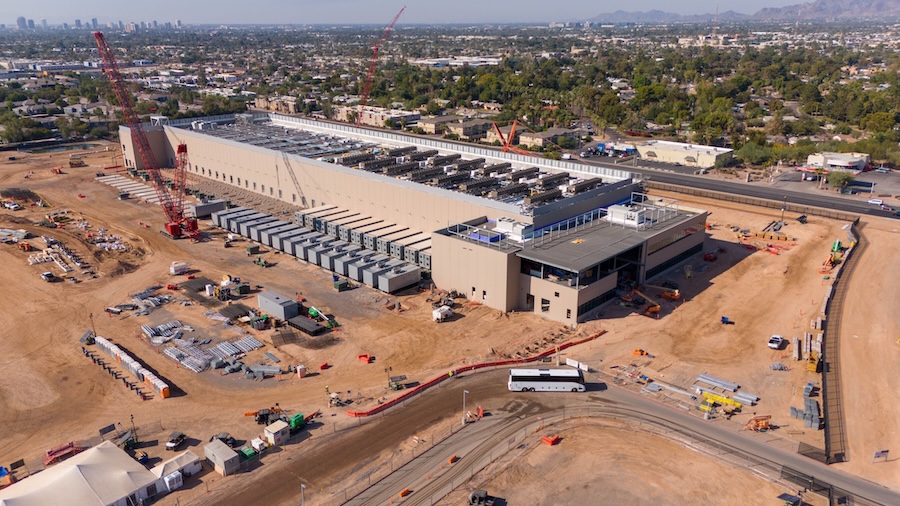
4. Weather and site conditions create fewer stoppages. Drilled shafts in particular can be slowed or stopped by groundwater, collapsing soils, or heavy rain. Helical piles generally have a wider working window and generate less spoils, which keeps the site cleaner and the foundation package moving even when conditions are less than ideal.
5. Risk is easier to manage and transfer. When foundation production is more predictable and less dependent on perfect weather or ideal soil behavior, GCs face fewer change orders and fewer schedule recovery battles. That reliability is increasingly valuable on mission-critical projects where the cost of delay is extreme.
Helical piles may not be the absolute solution for every data center, but on the right sites they are solving real problems that traditional methods struggle with under today’s schedule and risk pressures.
Contractors who regularly install high-capacity helical piles on large commercial and industrial projects are seeing increased demand from data center GCs for exactly these reasons. Firms with proven production rates, strong quality control, and experience on fast-track work are the ones winning the packages.
If you are planning a large industrial or data center project and would like to explore how helical pile solutions can support your timeline and budget, Pile Buck recommends Robert Beaudoin at Titan General Contractors. You can call him directly: 772-473-3165.
