


On this page8 sections
- The Foundation of Efficient Marine Logistics
- The Role of Marine Construction Vessels
- The Role of Marine Construction Vessels
- Coordinating Equipment, Crew, and Schedule
- Safety, Compliance, and Best Practices
- Environmental and Regulatory Logistics
- Real-World Coordination in Action
- The Hidden ROI of Effective Marine Logistics
Marine construction is a high-stakes balancing act. It demands not only technical expertise but also flawless marine logistics — the art of coordinating vessels, equipment, and crews across unpredictable tides and tight timelines. Every seawall, bridge, or pier that rises from the water depends on a complex system working behind the scenes. When that system is efficient, projects stay on schedule and under budget. When it’s not, even small missteps can trigger costly downtime.
The Foundation of Efficient Marine Logistics
Unlike land-based construction, marine logistics operate in an environment that never stays still. Tides, currents, weather changes, and limited docking space make movement planning a precise science. A well-structured logistics framework begins long before construction starts. It involves understanding what needs to move, when it needs to move, and how it will reach its destination safely.
In marine construction, every push boat, tug, barge, and workboat must serve a defined purpose. Barge logistics determine how materials, cranes, and heavy equipment are transported and staged for use. Crews must know which vessel they are boarding, when they’re scheduled to transfer, and where their work fits into the project sequence. Unlike onshore logistics, where trucks can reroute around delays, marine operations leave no room for improvisation. Each movement must be engineered, permitted, and timed with precision.
The Role of Marine Construction Vessels
The Role of Marine Construction Vessels
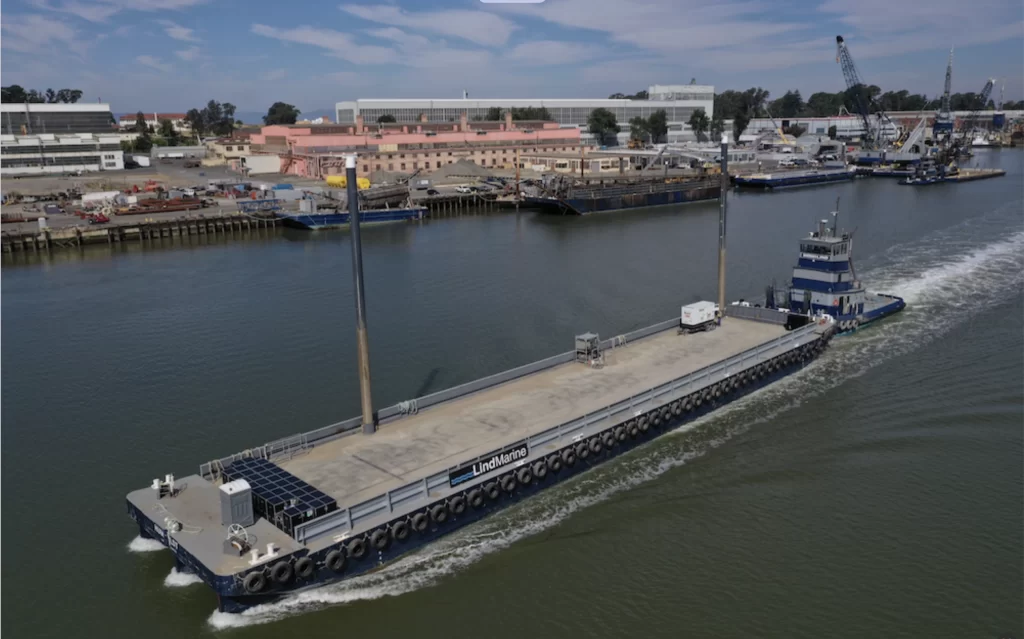
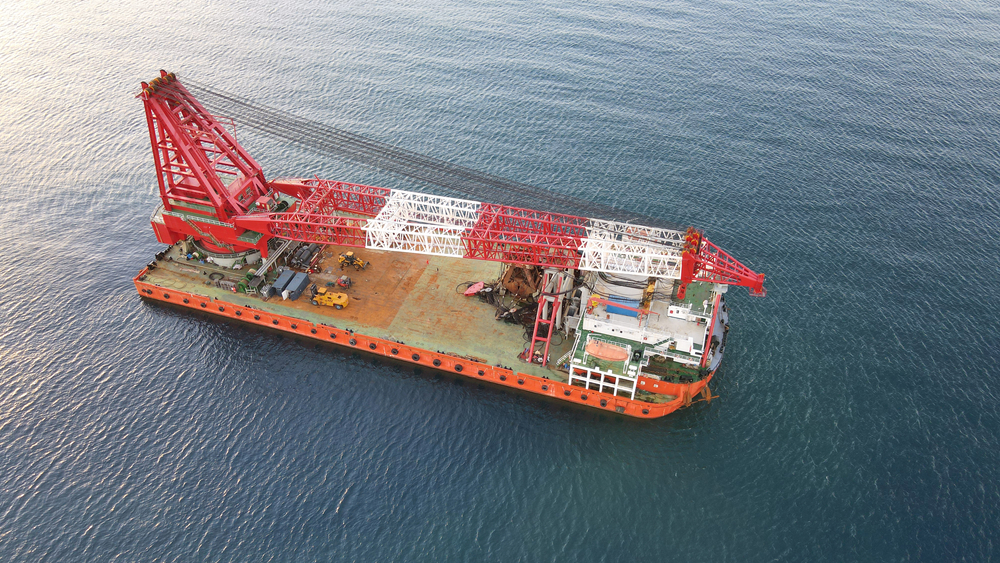
The heart of marine construction lies in the vessels themselves. Marine construction vessels such as push boats, tugs, deck barges, and workboats are not merely transportation tools — they are mobile job sites. Push boats and tugs move barges loaded with materials and equipment, positioning them with pinpoint accuracy at the construction zone. Barges act as floating platforms for cranes, pile drivers, and welding operations. Workboats shuttle crews and supplies between the shore and the project site, ensuring continuous workflow.
Every vessel must perform its role without delay. A barge arriving before its crane or a tug held up by weather can idle an entire crew. Successful marine fleet coordination keeps all these elements in motion, guided by tide tables, weather forecasts, and real-time communication. It takes both expertise and experience to orchestrate these movements seamlessly. That level of precision is often achieved through partnerships with established marine service providers who maintain their own fleets, equipment, and operational crews. Working with a seasoned operator — such as Lind Marine, known for its long-standing reputation in vessel operations and marine construction support — ensures that every movement on the water aligns perfectly with project goals.
Coordinating Equipment, Crew, and Schedule
At the core of marine project management lies the coordination between heavy equipment, crew assignments, and vessel scheduling. Cranes, winches, and hydraulic hammers must be loaded securely and balanced according to the barge’s stability plan. Deck layouts are reviewed in detail to make sure that weight distribution, access points, and lifting zones are safe for operation. Even a small oversight, like uneven loading or unsecured rigging, can lead to major setbacks or safety incidents.
Crew coordination is equally critical. Marine projects often involve multiple trades working in tight quarters — divers, welders, crane operators, and deckhands all performing synchronized tasks. Without accurate crew scheduling and communication, projects quickly lose efficiency. Logistics managers must anticipate each team’s movement between vessels, work areas, and shifts. Increasingly, contractors rely on digital tracking systems that display real-time vessel positions and operational statuses. These tools help project managers predict delays, redirect assets, and make informed decisions under pressure.
Still, technology is only part of the solution. The success of marine logistics ultimately depends on people — skilled captains, experienced riggers, and logistics coordinators who understand the rhythm of marine operations. Their knowledge turns a complex schedule into a controlled, predictable process.