


Understanding the Basics
To quickly recap: A barge is a flat-bottomed marine vessel, distinct from other types of vessels due to its lack of self-propulsion—designed primarily for the transportation of heavy equipment and goods along rivers, canals, and oceans.
The key components of a barge include the hull, which provides buoyancy—the deck, serving as the platform for cargo or equipment—and various compartments below deck, used for ballast or additional storage. These fundamental features enable barges to efficiently support marine construction and transportation activities.
Flat deck barges, as the workhorses of marine construction—offer a vast, open deck suitable for hauling heavy equipment and materials. They’re essential for projects that require large-scale transportation over water.
Spud barges are characterized by their retractable “spuds”—large pilings that can be lowered into the river or seabed to anchor the barge firmly in place, which is vital for precision work.
Hopper barges have an open hold for storing dredged material, which makes them indispensable in dredging operations for navigational and construction purposes—allowing for the transport and disposal of the material.
Sectional barges are incredibly versatile due to their modular construction, allowing them to be disassembled for ease of transportation over land and quickly reassembled on-site—providing a customizable platform size based on project needs.
Crane and jack-up barges are engineered for specific tasks—crane barges are equipped with heavy lifting equipment, and jack-up barges can elevate above the water level on legs—providing a stable work environment even in choppy conditions.
A push boat is not a barge, but rather a boat designed to push barges. Push boats are typically robust and powerful, designed for maneuvering barges into position within marine construction sites and along waterways. They are an essential component in the operation of barge fleets, providing the propulsion that barges lack.
The Fabrication Process
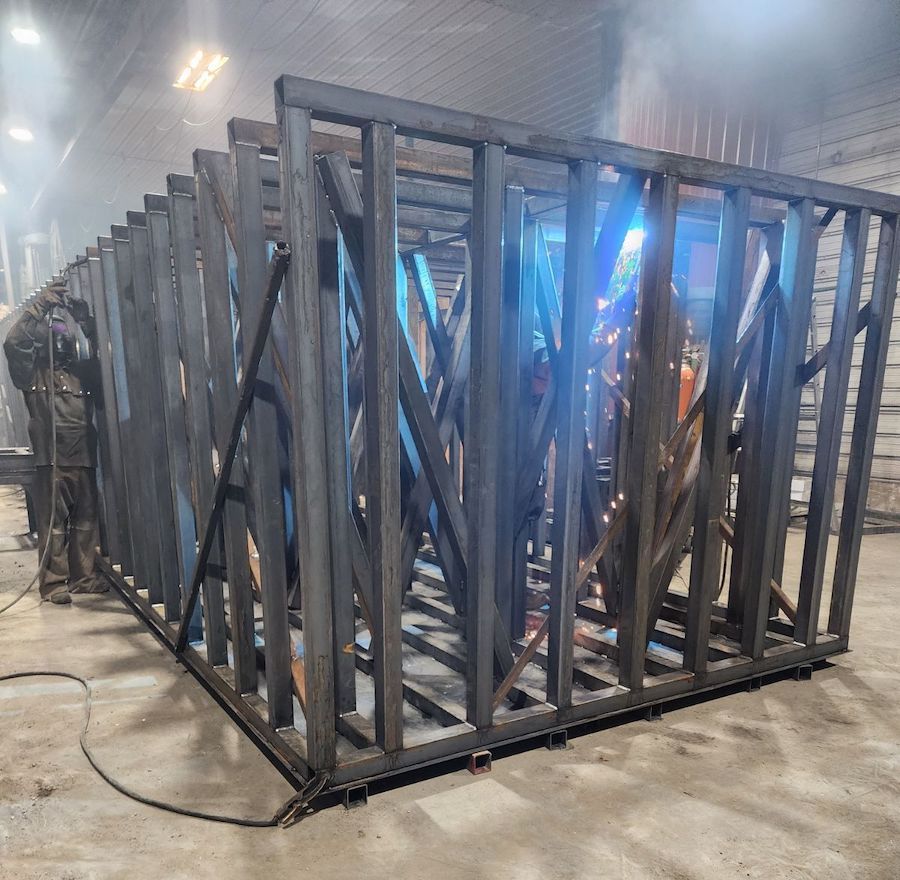
The barge fabrication process begins with the design phase, where naval architects draft detailed plans—ensuring the design meets specific operational requirements and regulatory compliance.
In the material selection stage, the choice between steel and aluminum hinges on the barge’s intended use—with steel’s robustness weighed against aluminum’s lighter weight and resistance to corrosion.
Cutting and Shaping involve state-of-the-art technology to achieve precision cuts necessary for assembling the barge’s structure.
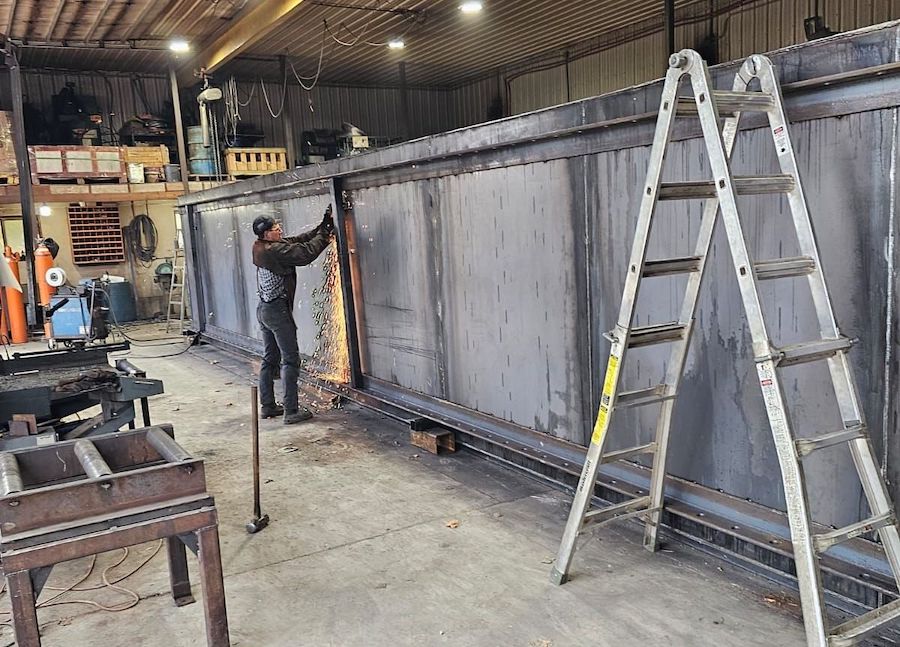
During assembly and welding, each piece is carefully joined—starting from the bottom of the hull and working up to the deck assembly.
Inspection and testing are rigorous, continuous processes to maintain quality control and adherence to safety regulations.
Finally, coating and finishing apply specialized treatments to the vessel’s surface to protect against harsh marine elements—ensuring longevity and durability.
Each stage is critical, requiring meticulous attention to detail to ensure the final product can withstand the rigors of its marine environment.
Customizable Options for Marine Construction Barges
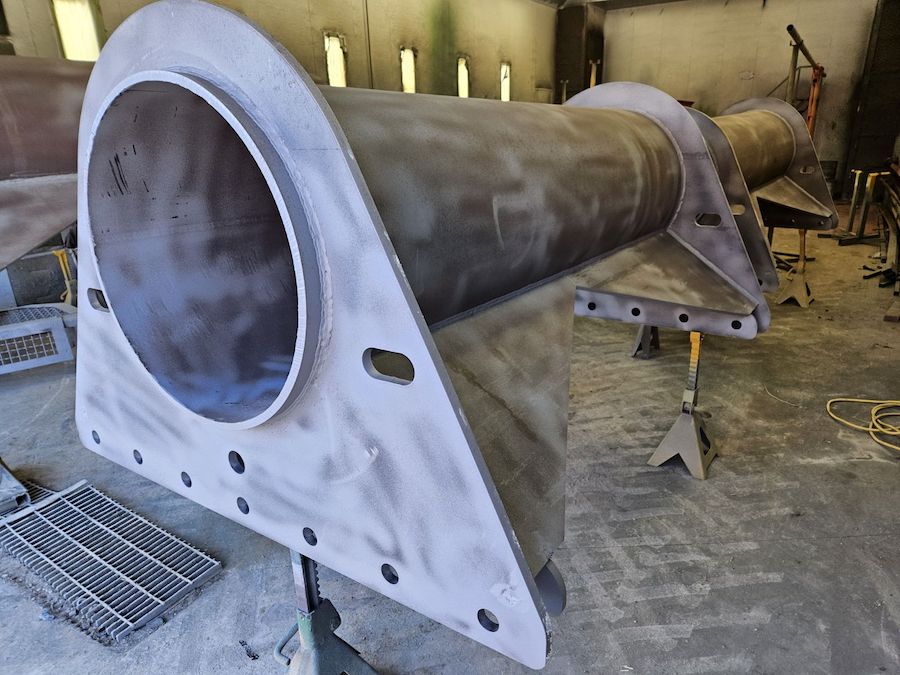
Marine construction barges can be customized in numerous ways to enhance their functionality and efficiency for specific projects.
Modular components enable the configuration of barges to match project scale and complexity, allowing for the addition or removal of sections as required.
Lift and crane options are vital for loading and construction activities, with customizations available to fit various lifting capacities and reaches.
Dynamic positioning systems, available on some specialized vessels, use computer-controlled thrusters to maintain position, which can be valuable for precision work in challenging marine environments.
Habitability features involve making the barge livable for crew during prolonged projects with accommodations like sleeping quarters, kitchens, and bathrooms—ensuring comfort and safety.
Challenges and Considerations
Regulatory compliance presents a complex challenge as barge manufacturers must navigate a maze of local and international maritime laws. This requires a keen understanding of diverse regulations to ensure that barges are not only safe but legally operable in their intended waters.
Cost management is a delicate balance in barge fabrication. Custom features must be weighed against budget constraints, demanding careful planning and efficient use of resources to deliver a cost-effective yet functional barge.
Maintenance and durability are key considerations for ensuring the long-term viability of a barge. The harsh marine environment demands robust construction and proactive maintenance strategies to prevent deterioration and extend the service life of the barge.
Innovative Trends in Barge Fabrication
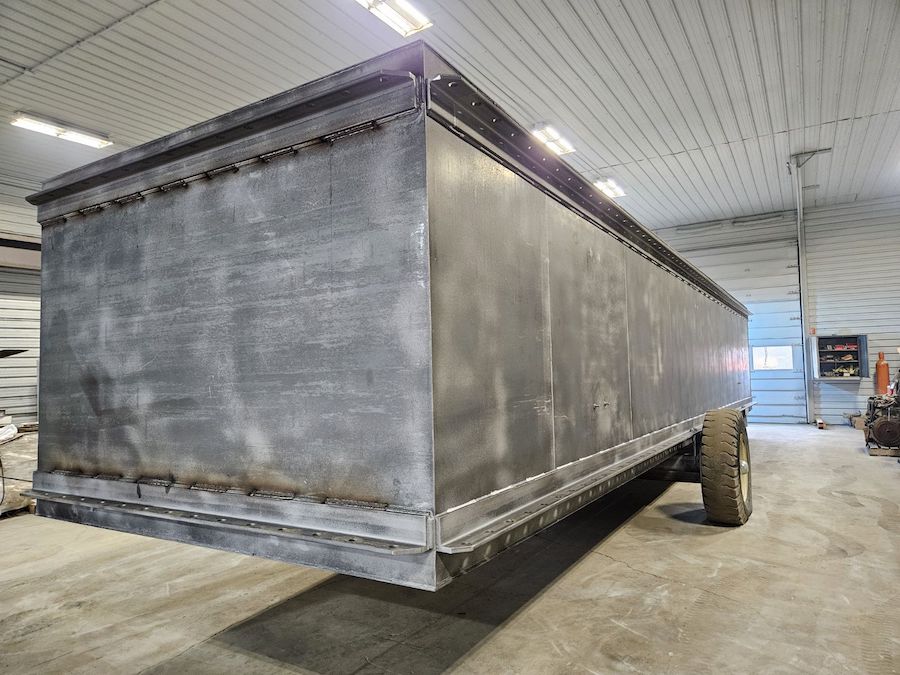
The barge industry is embracing innovation to improve efficiency, safety, and environmental impact.
Eco-friendly materials and practices are gaining attention, focusing on reducing the carbon footprint and utilizing sustainable resources.
Automation and robotics are increasingly being explored in barge fabrication, with the aim of improving precision and reducing labor costs and production times.
Smart barges represent the cutting edge of this sector, integrating Internet of Things (IoT) devices that enable real-time monitoring and streamlined management—ensuring operational optimization and proactive maintenance.
Final Thoughts
Barge fabrication is a specialized process in the marine construction industry, crucial for creating flat-bottomed vessels designed to transport heavy materials and facilitate construction over waterways.
Contractors in this field often require custom barges tailored to the specifics of a project—whether it’s for cargo hauling, dredging, or as stable work platforms.
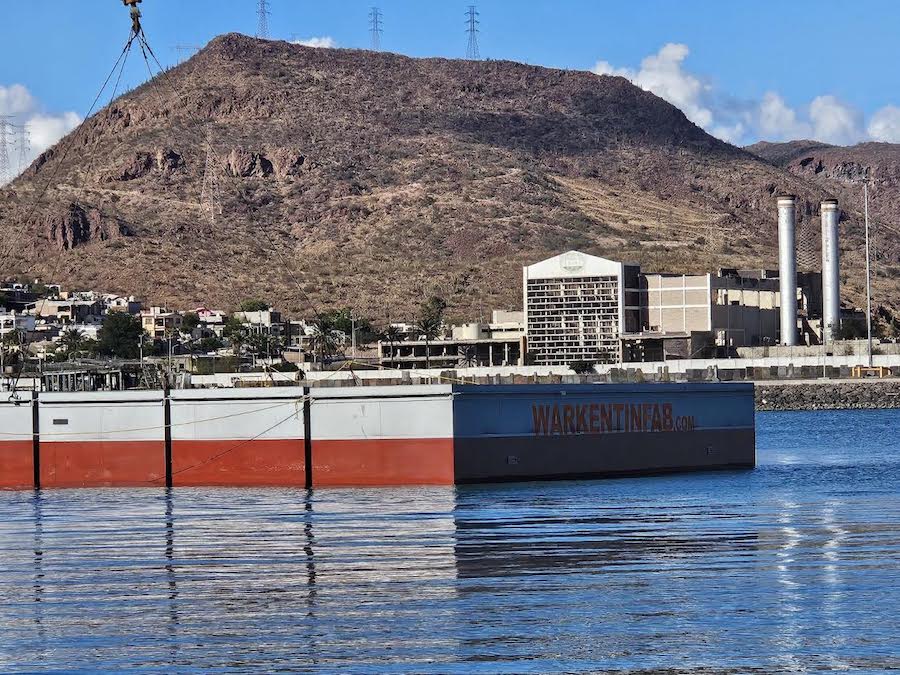
(Sponsored content) Catering to this niche, Warkentin Fabricating, Inc. fabricates a range of barges from lightweight sectionals to hefty one-pieces, and even push boats—all customizable down to the last spud pocket.